



Donkervoort
F22
MunichDonkervoort
F22
KEY FACTS
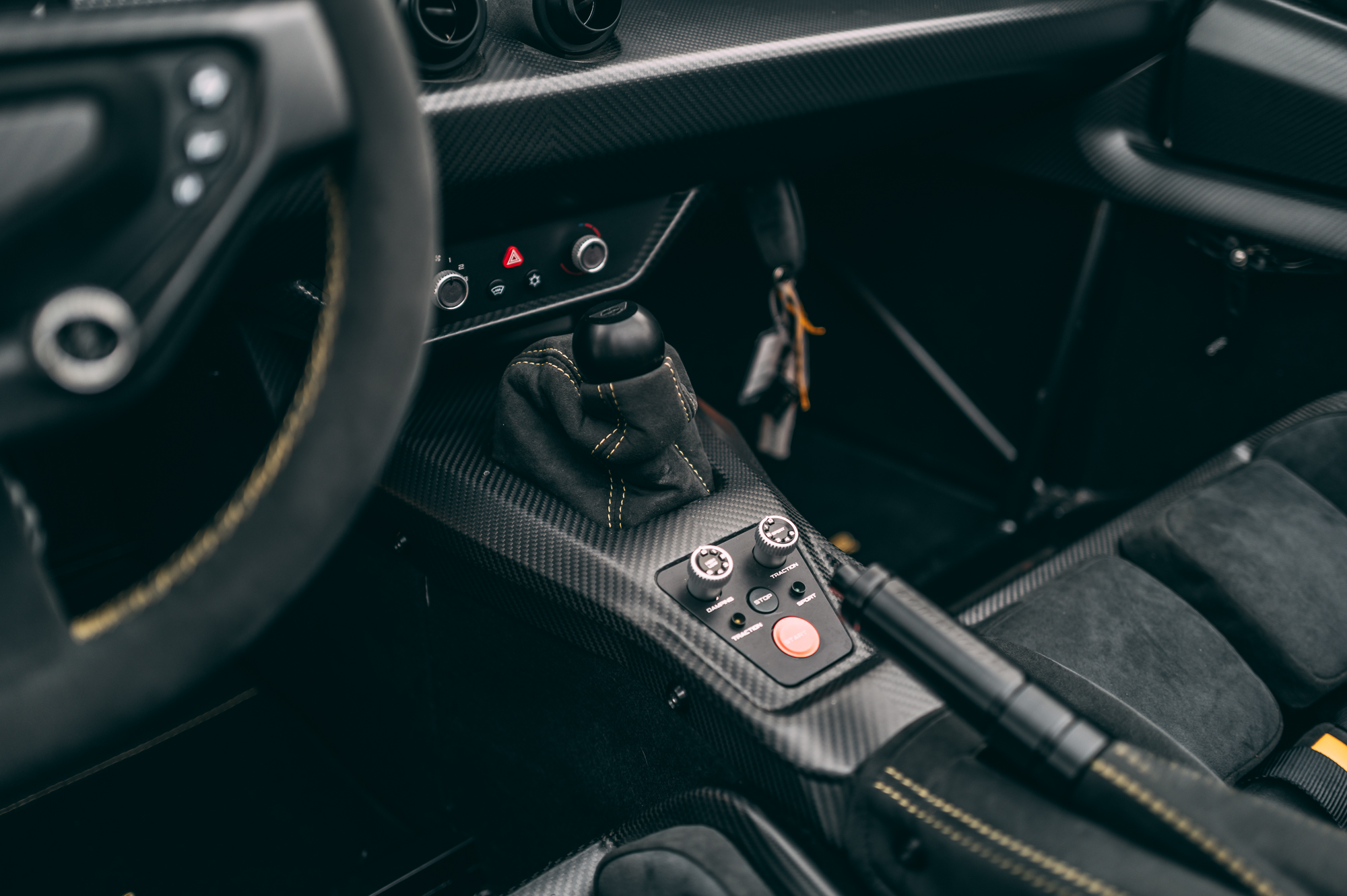
- Arguably the most driver focused car available on the market today
- Hypercar performance – 666hp per tonne, 0-100km/h in 2.5 seconds
- Offered directly from the manufacturer
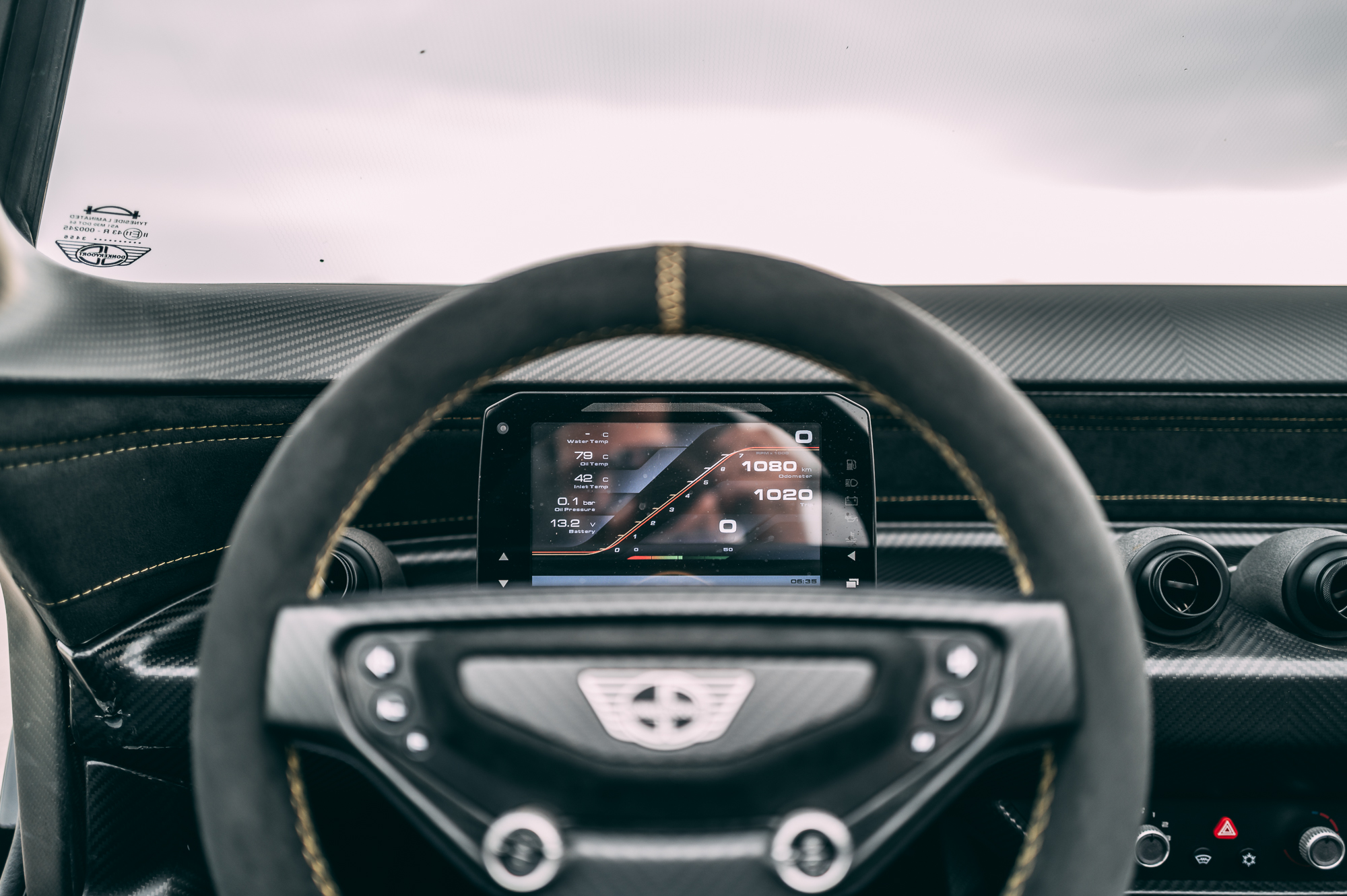
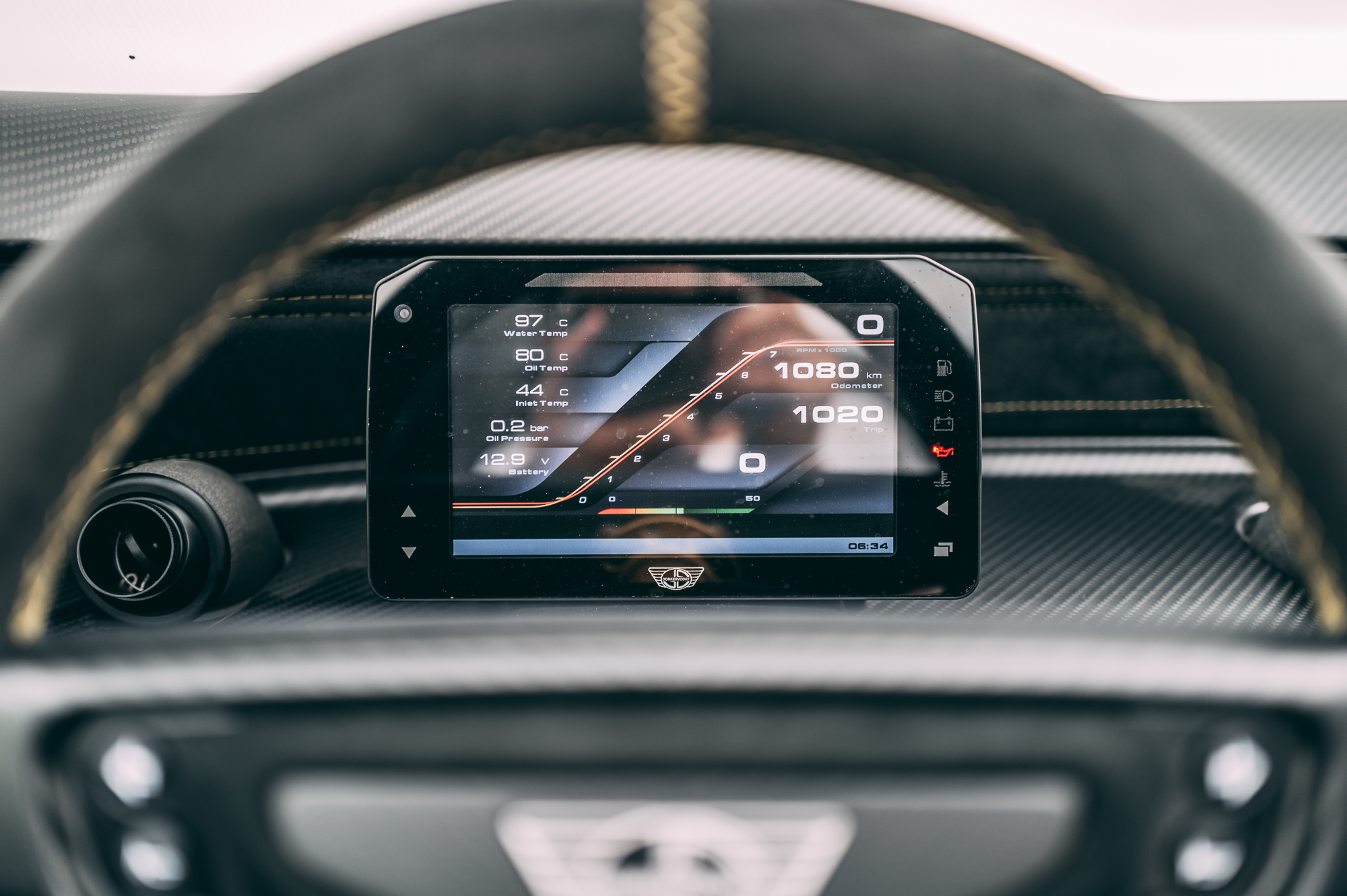
- Circa 1000 km from new
THE MODEL
Make: Donkervoort
Model: F22
Mileage: 1000 km
Location: Munich
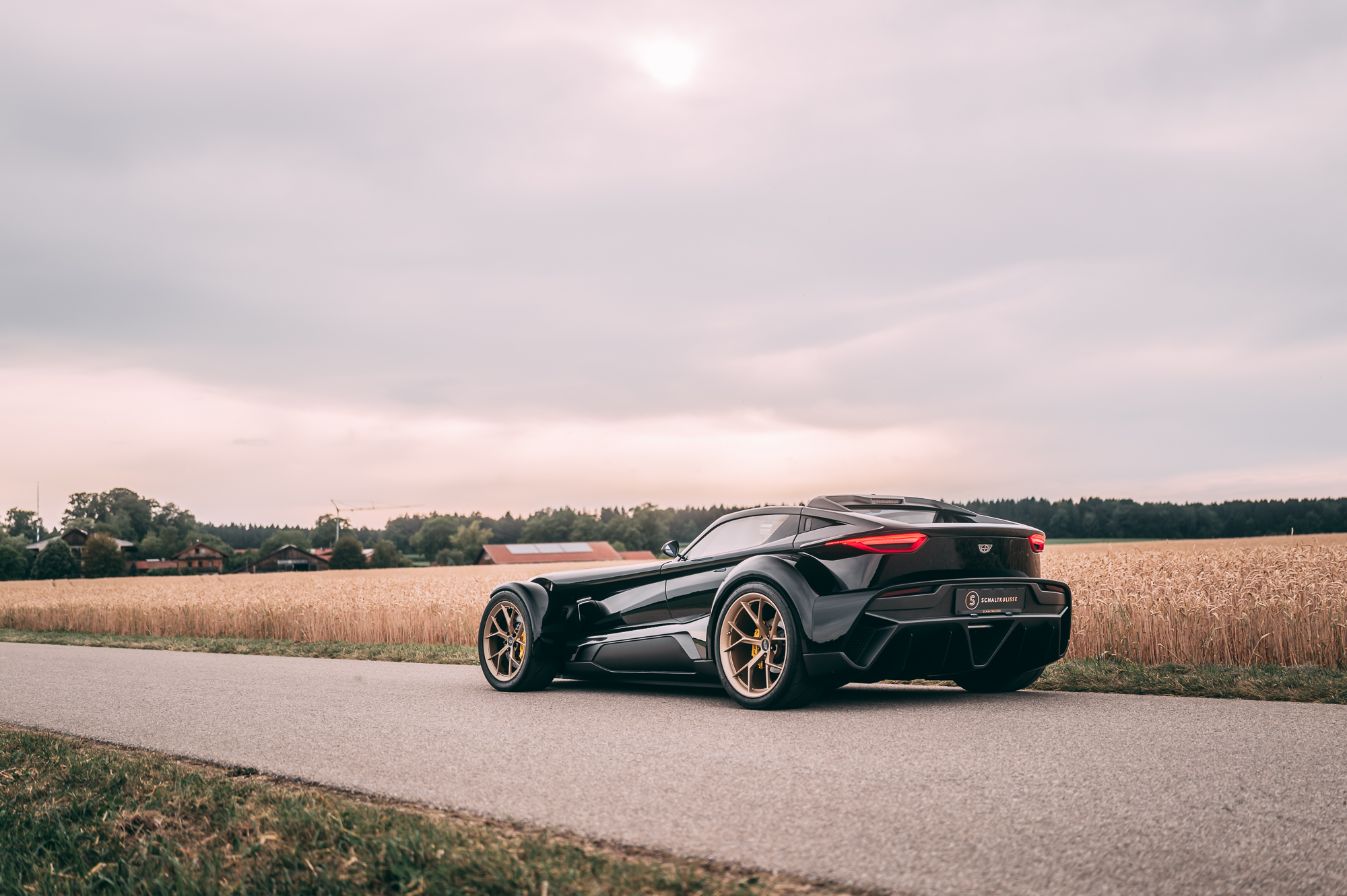
Exterior: Black
Interior: Charcoal
Price: POA
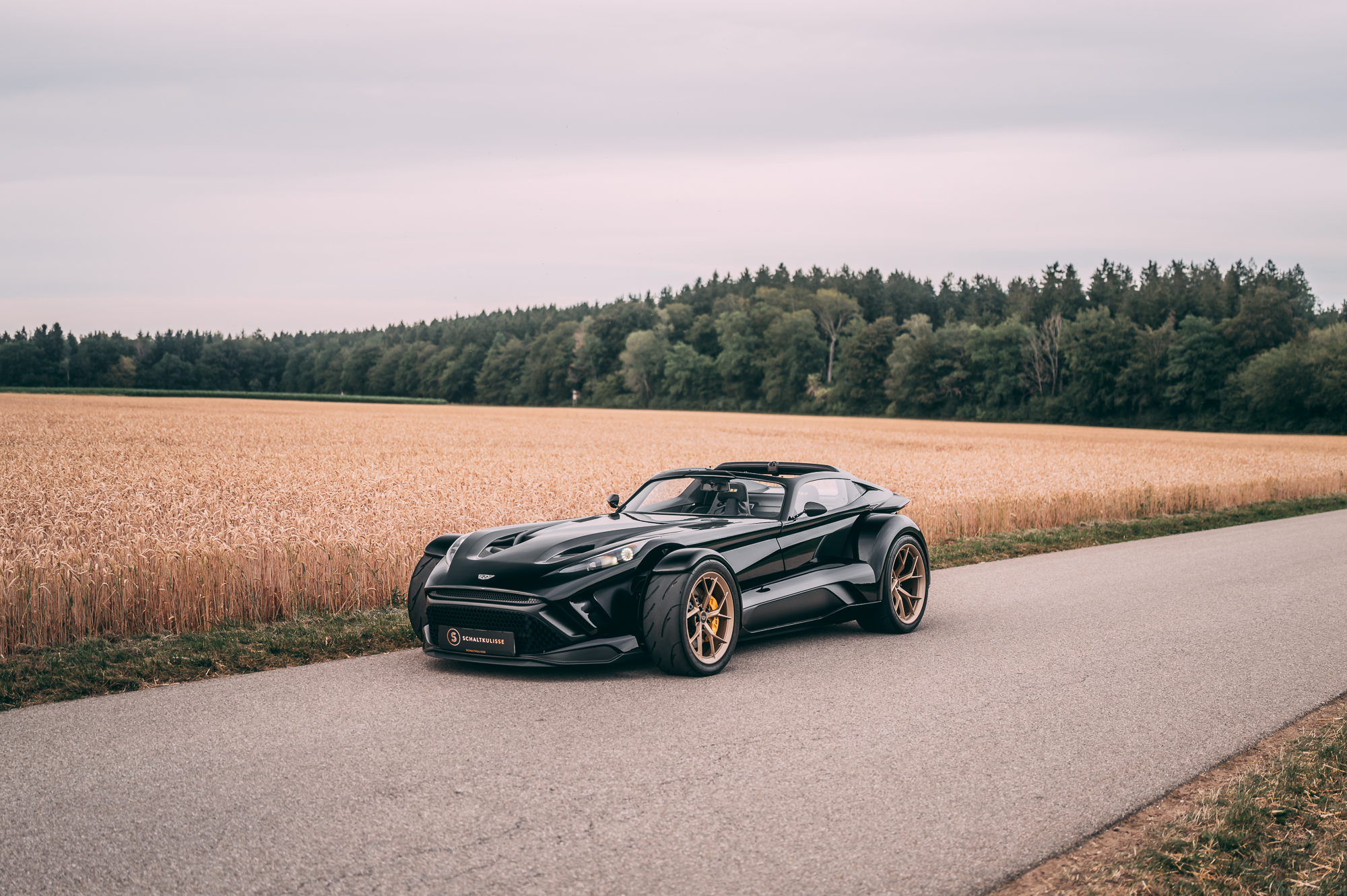
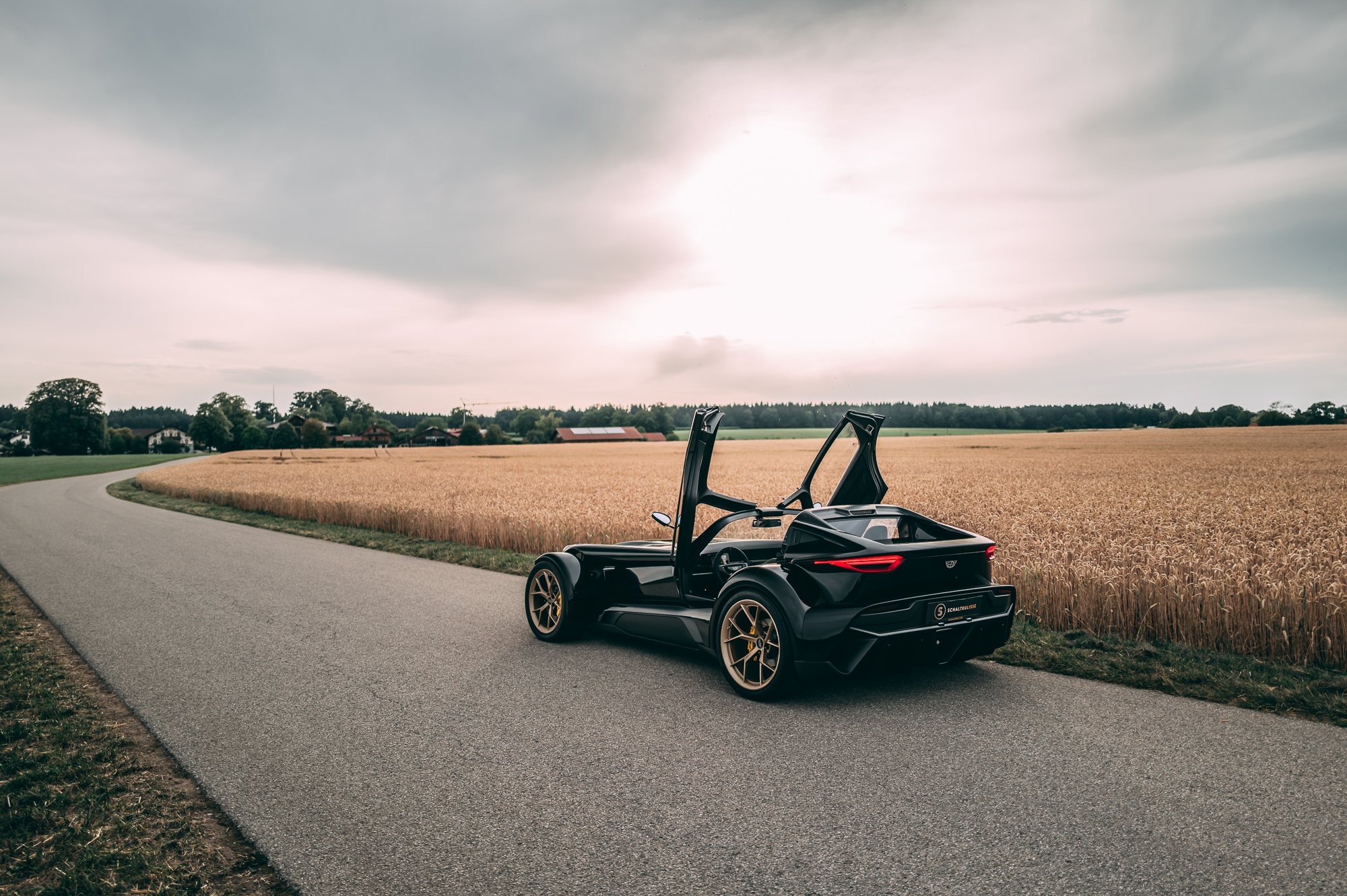
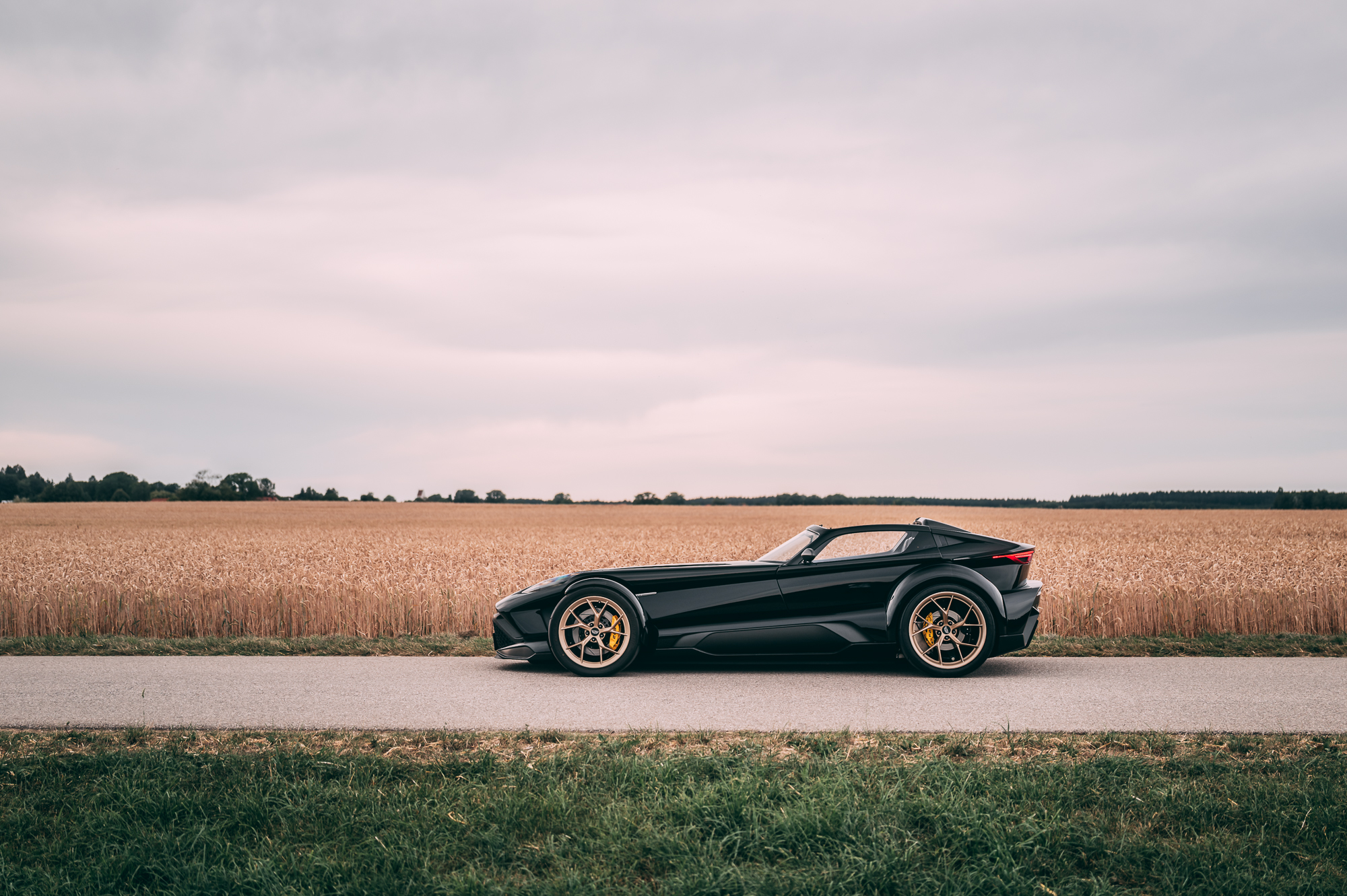
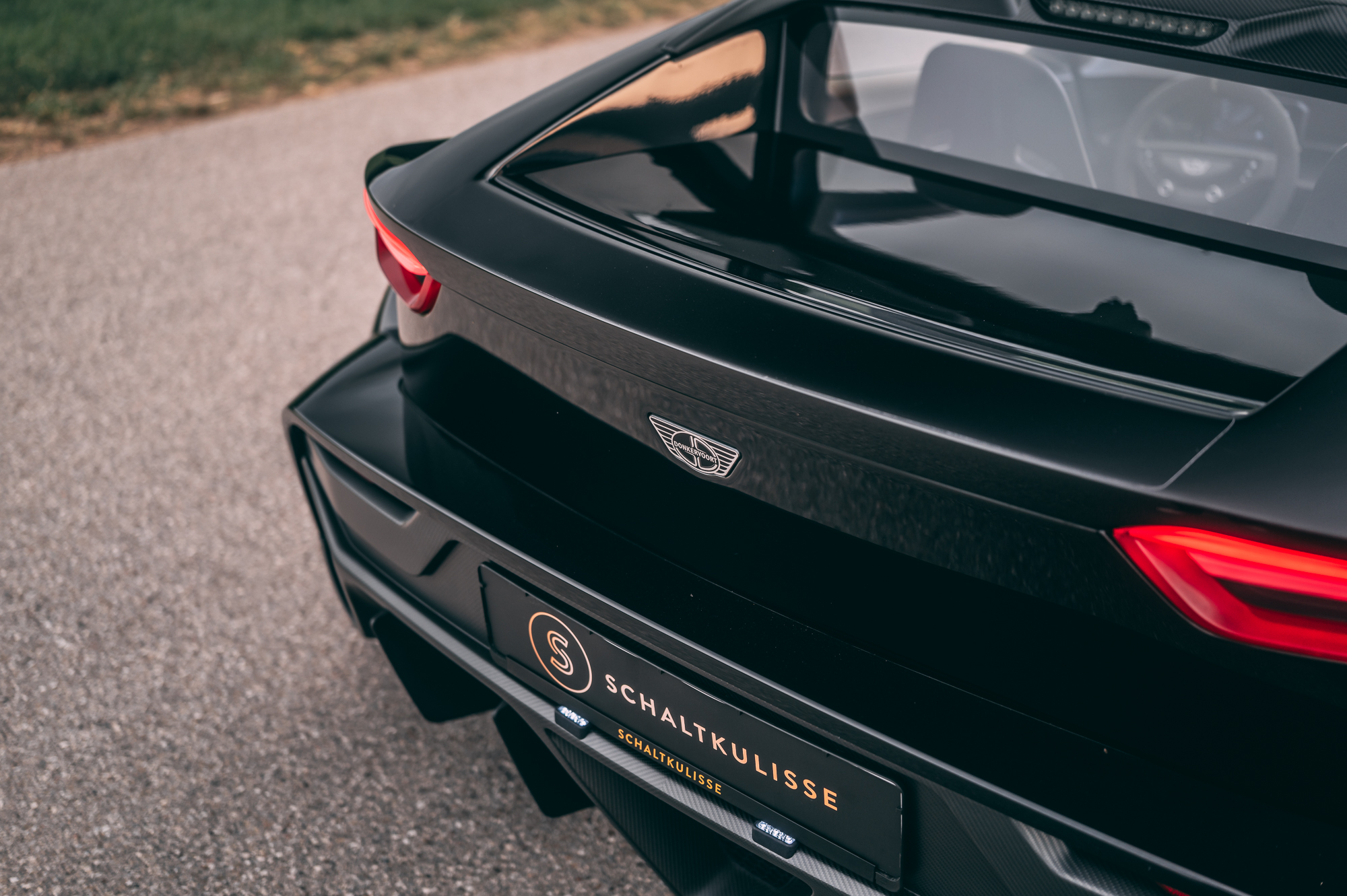
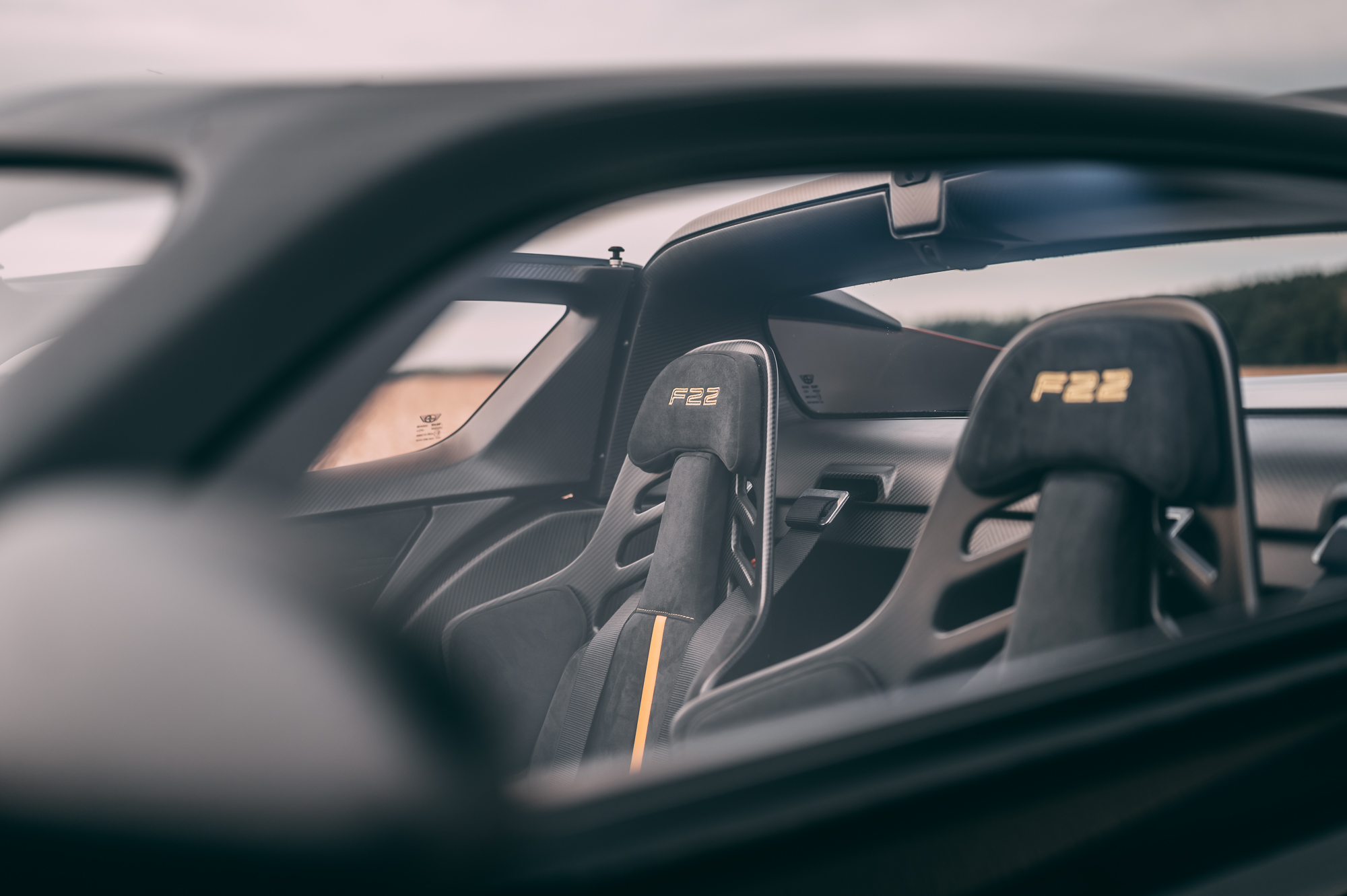
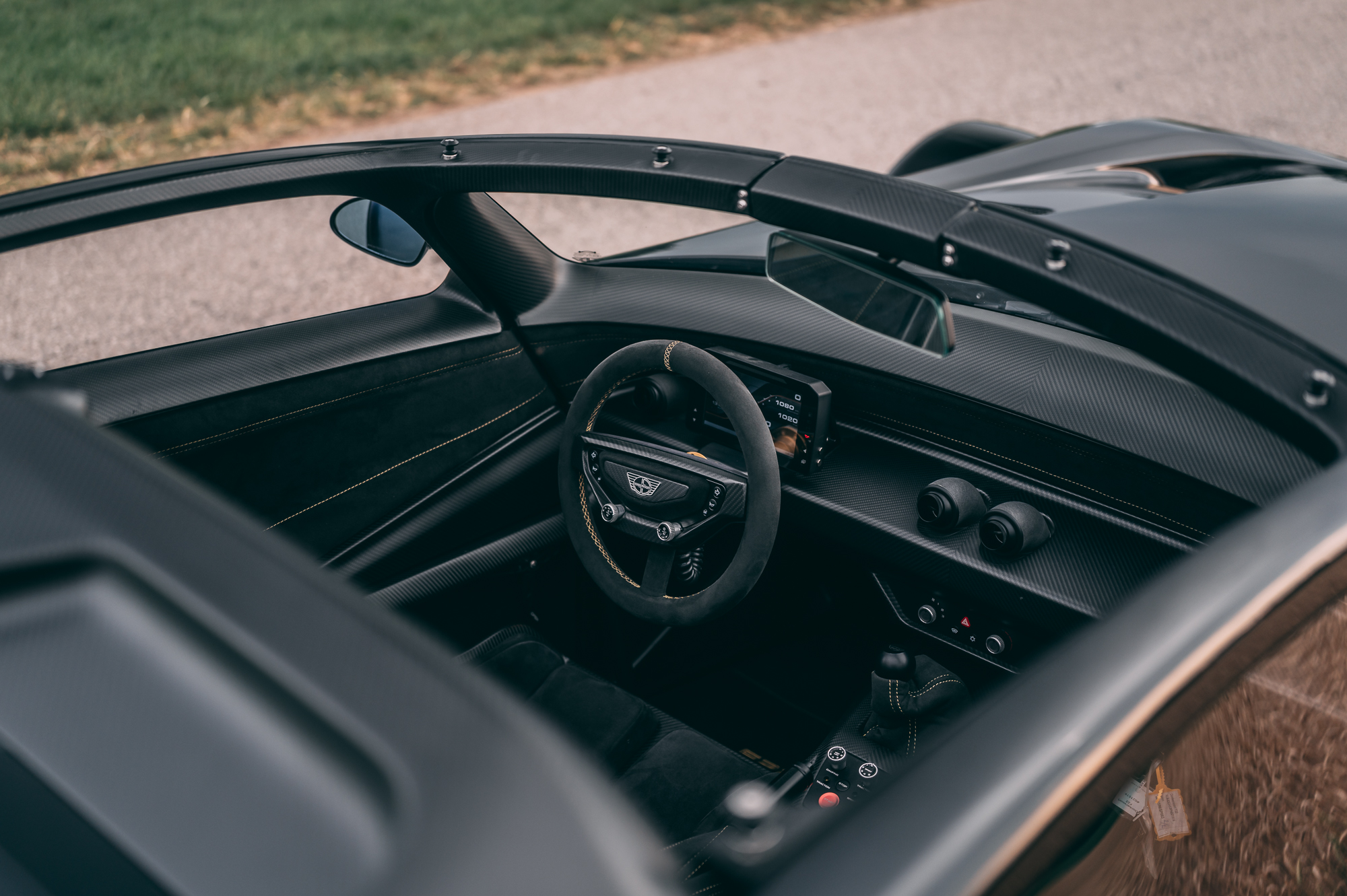
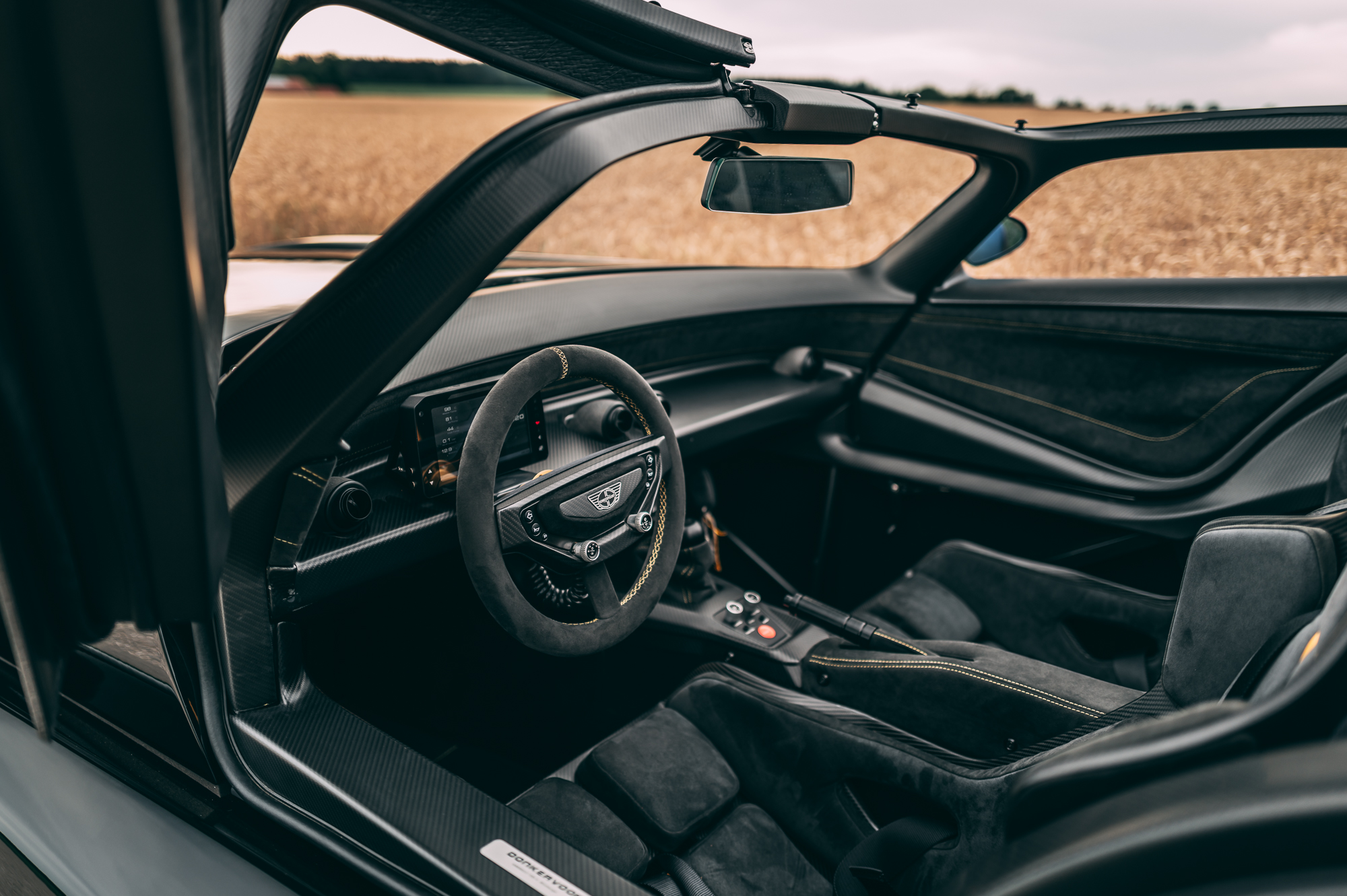
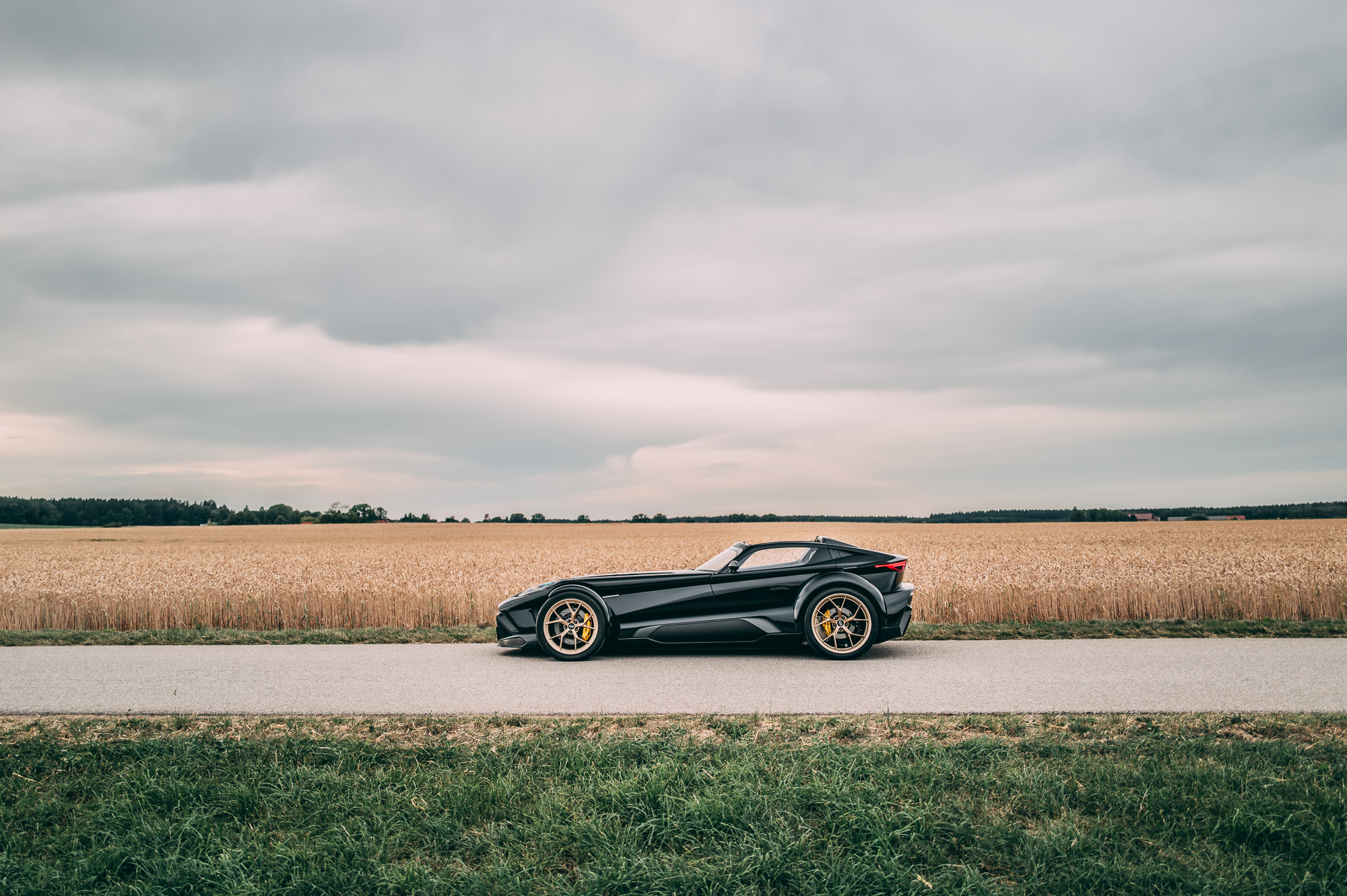
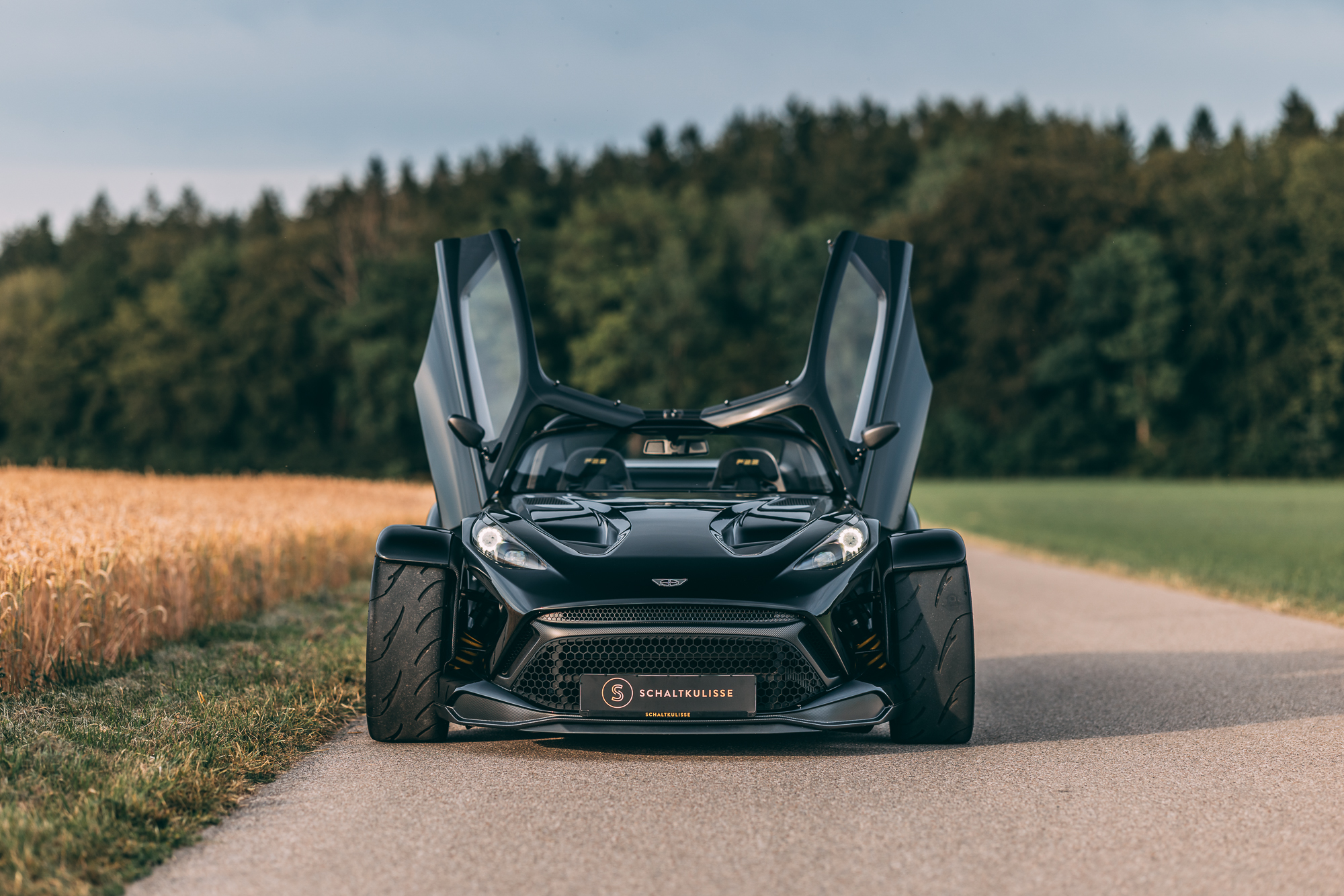
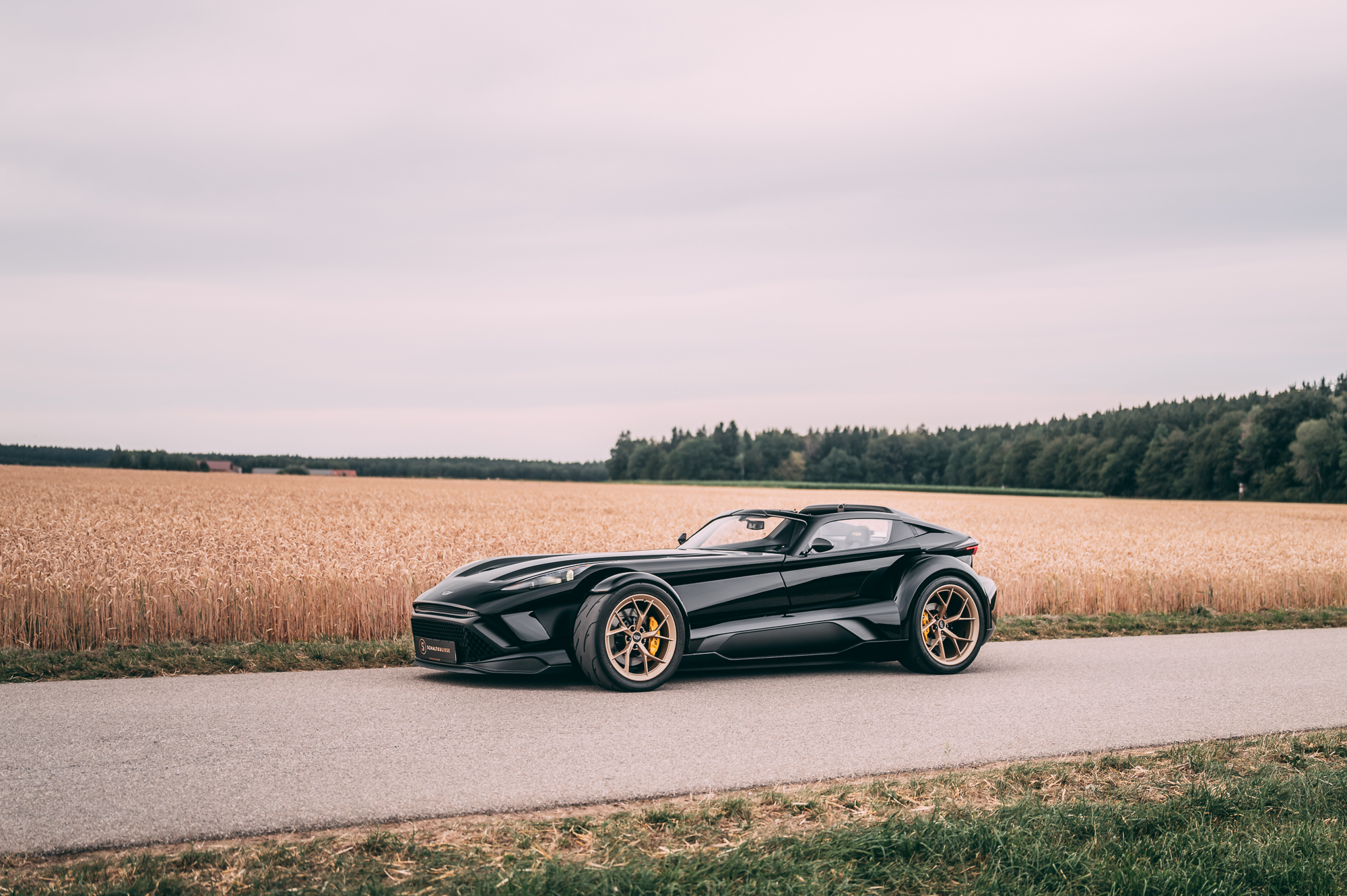
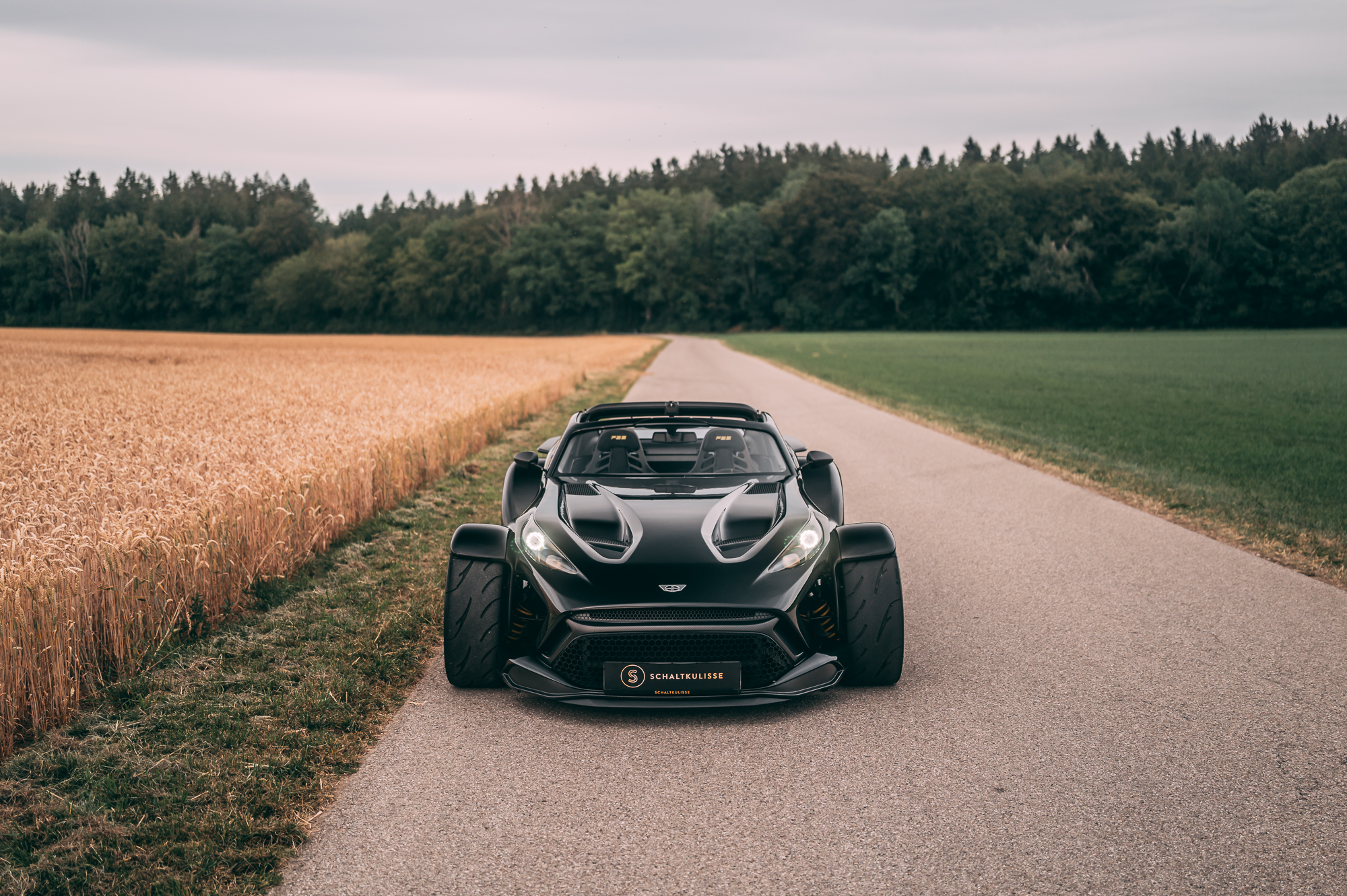
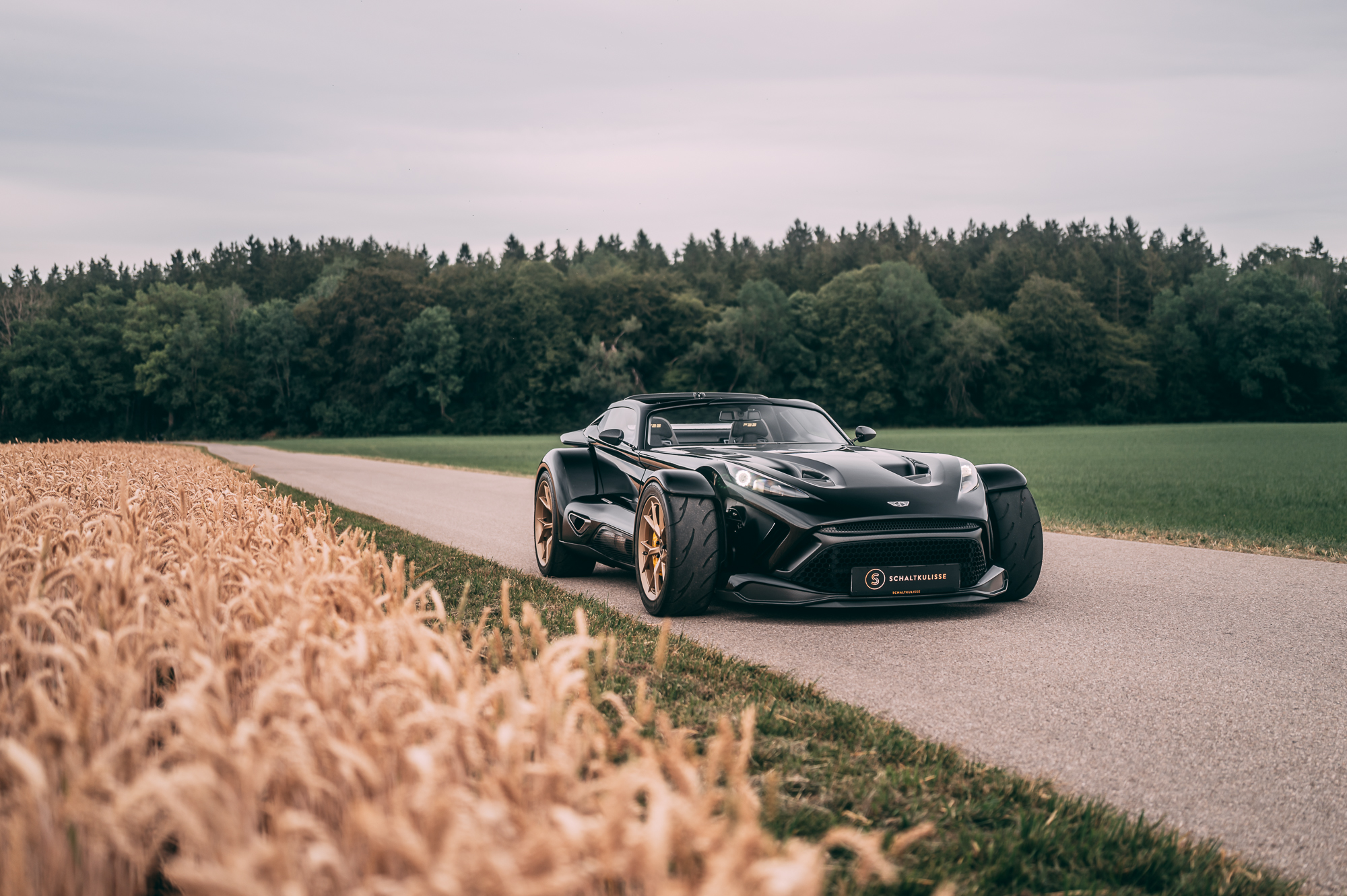
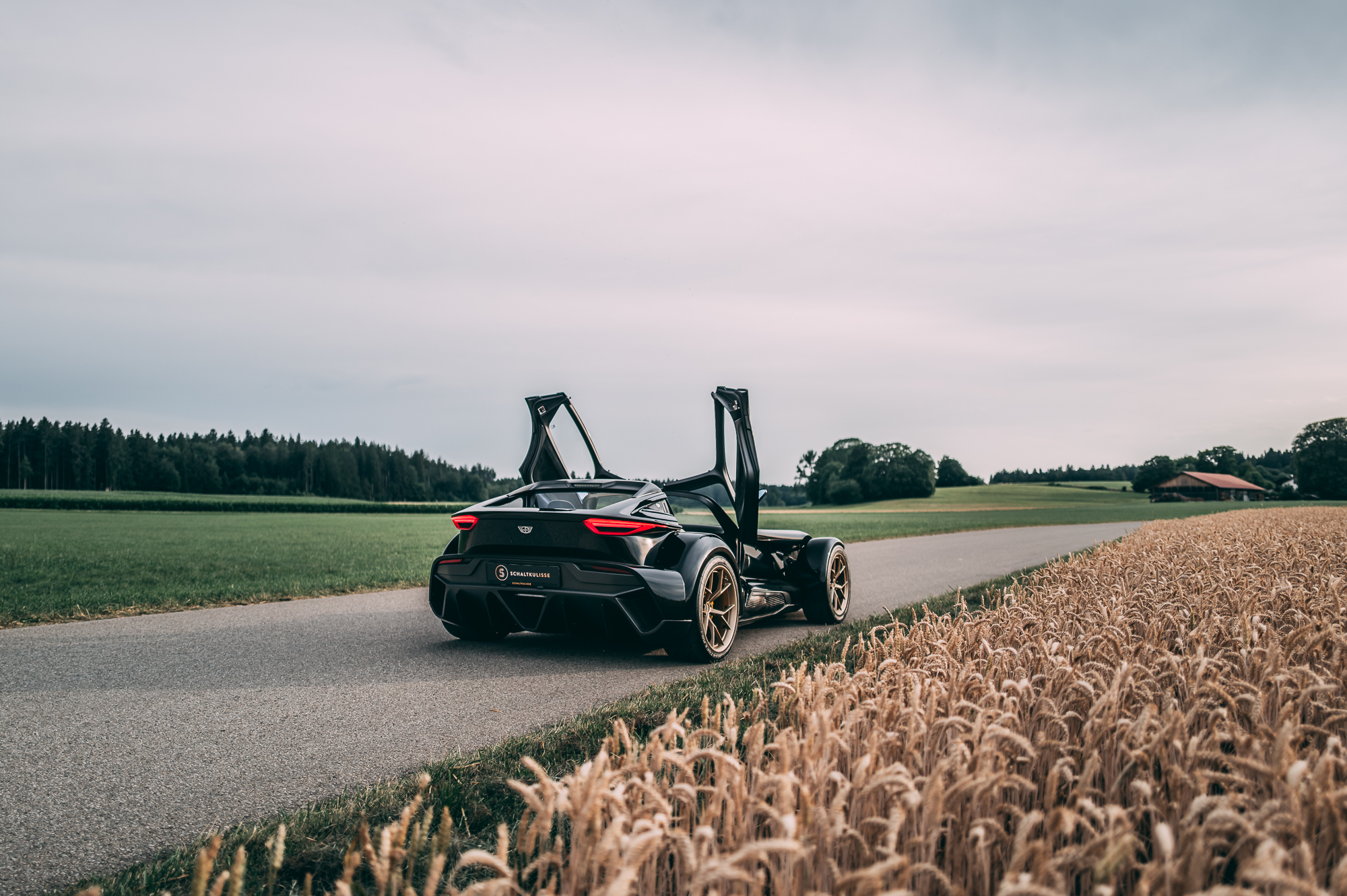
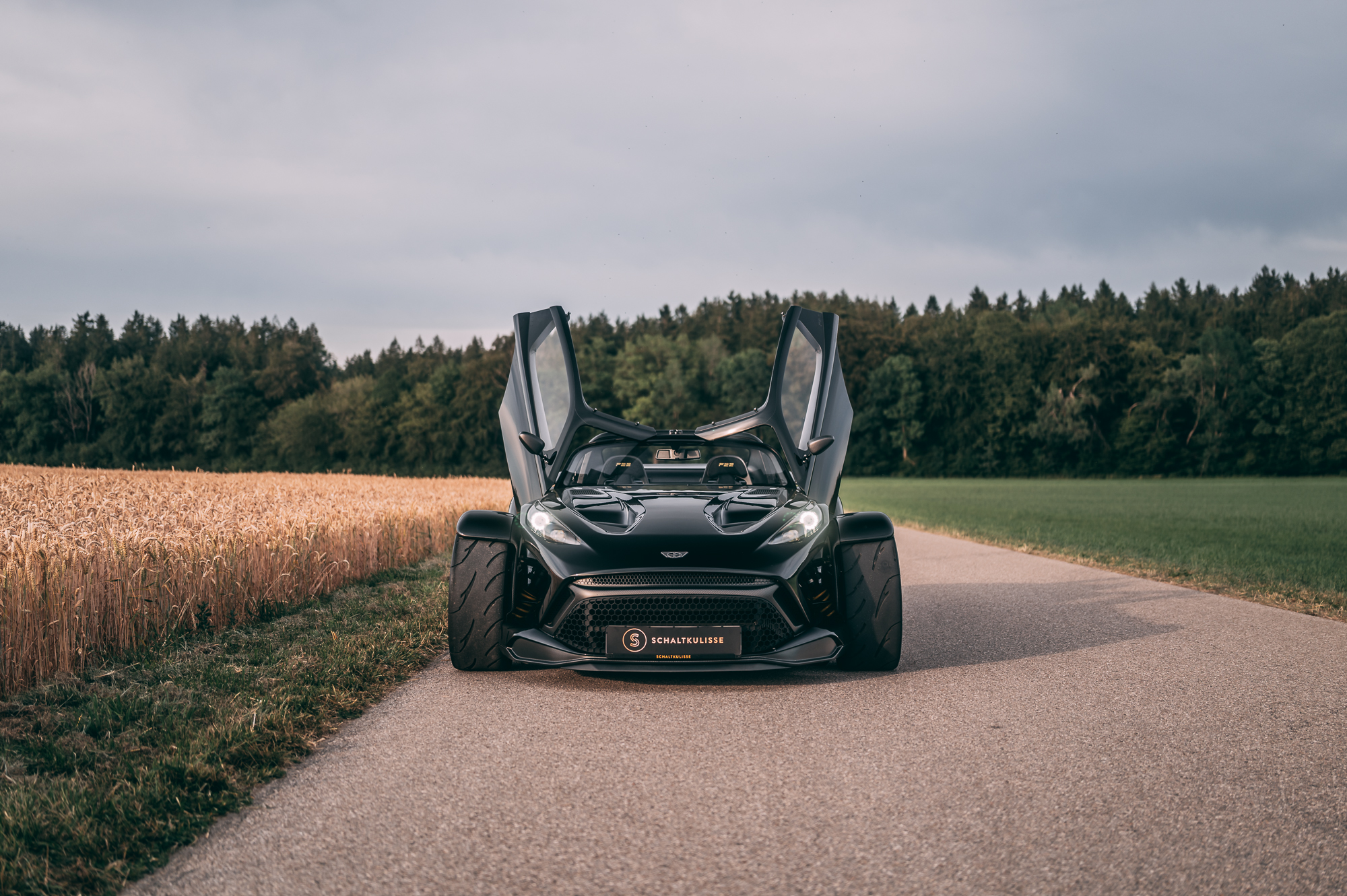
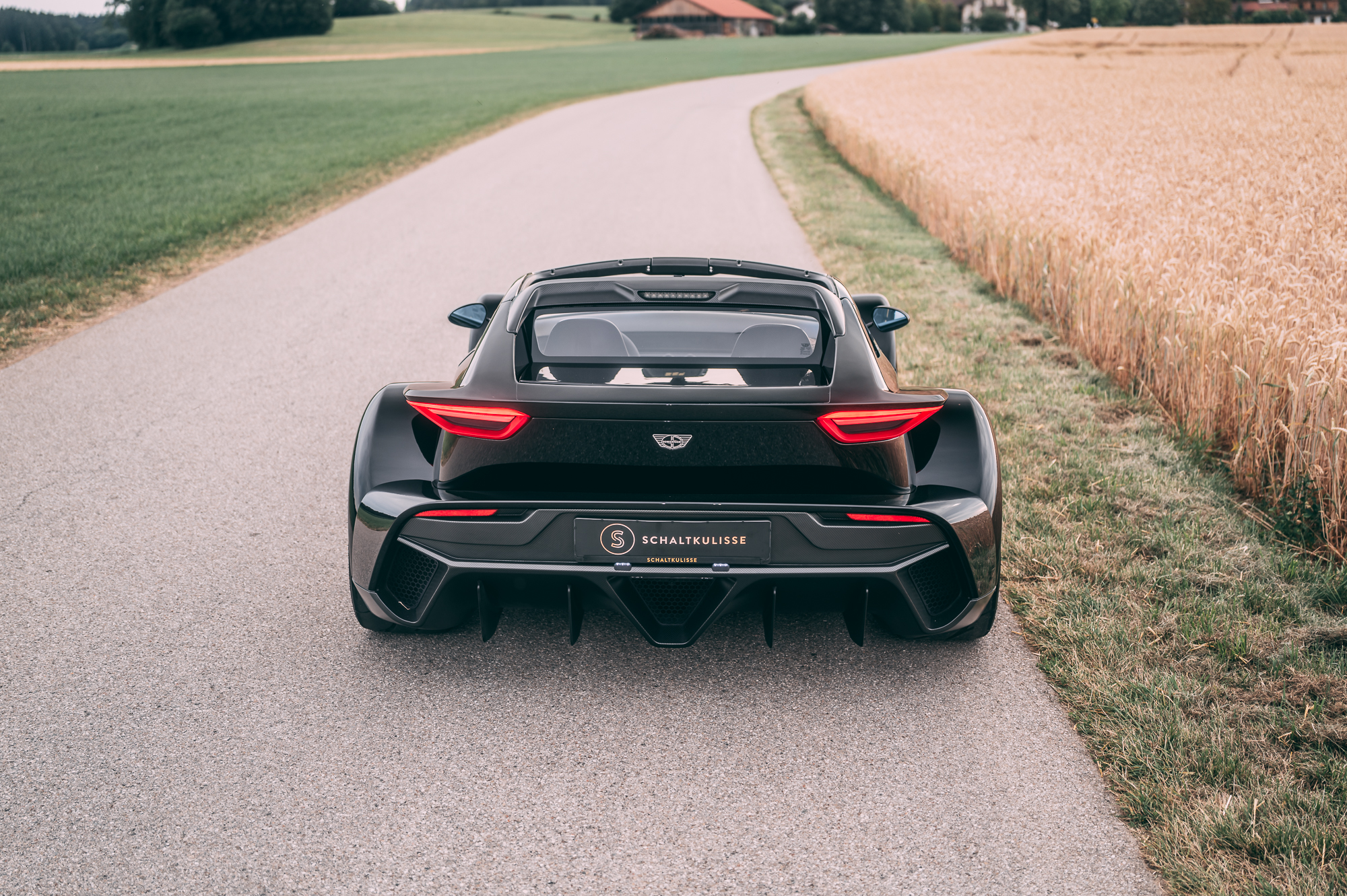
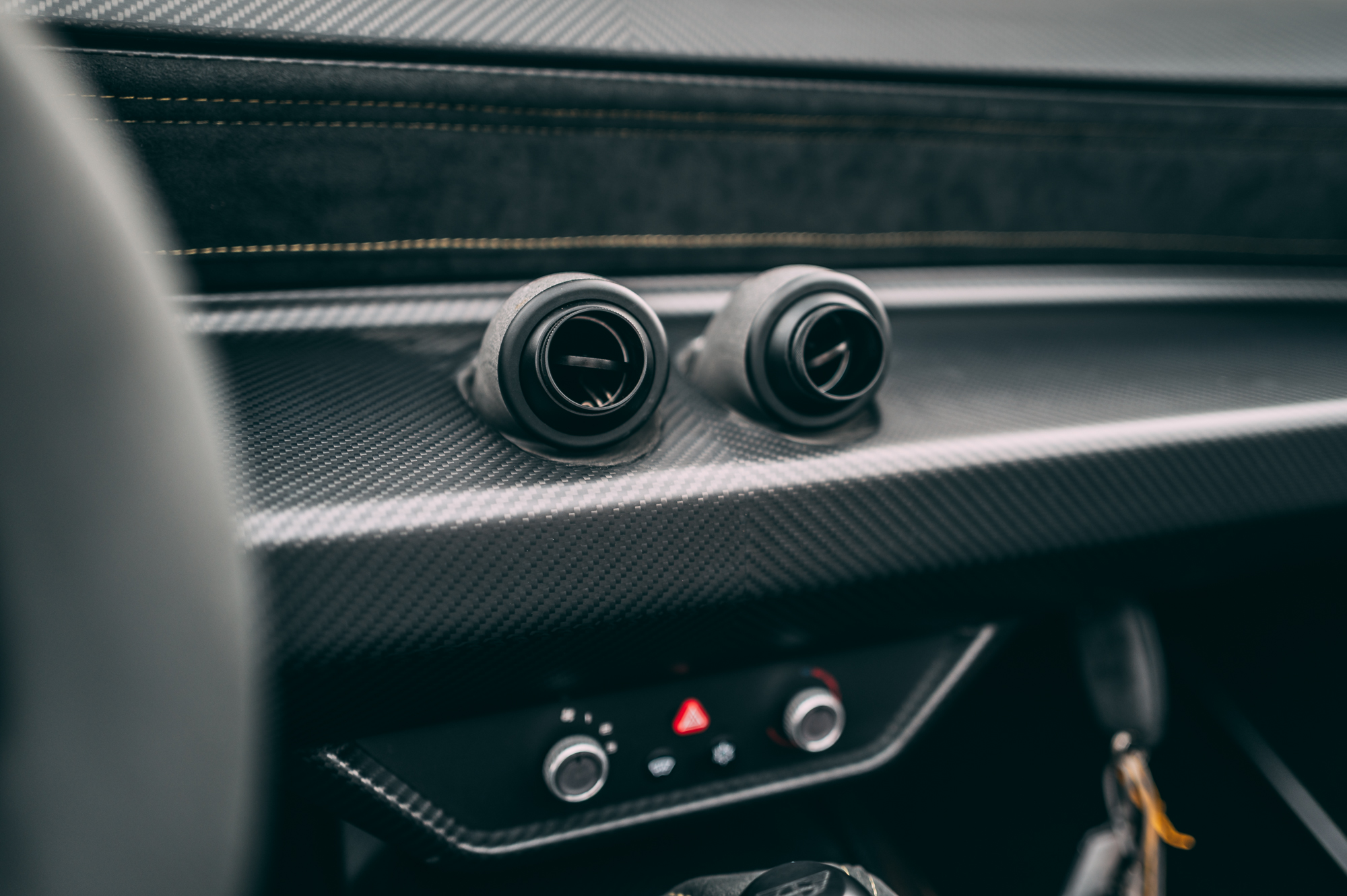
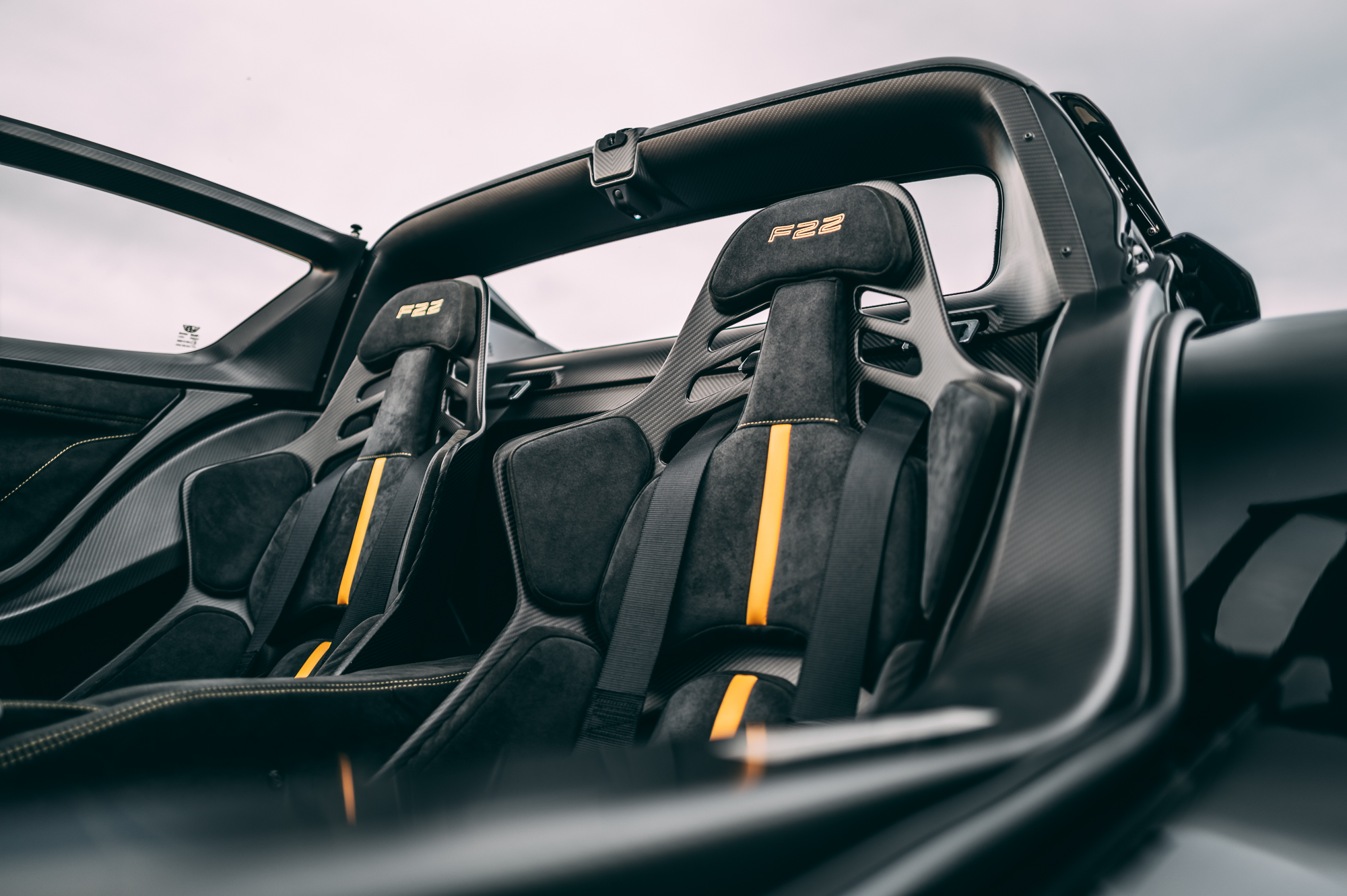
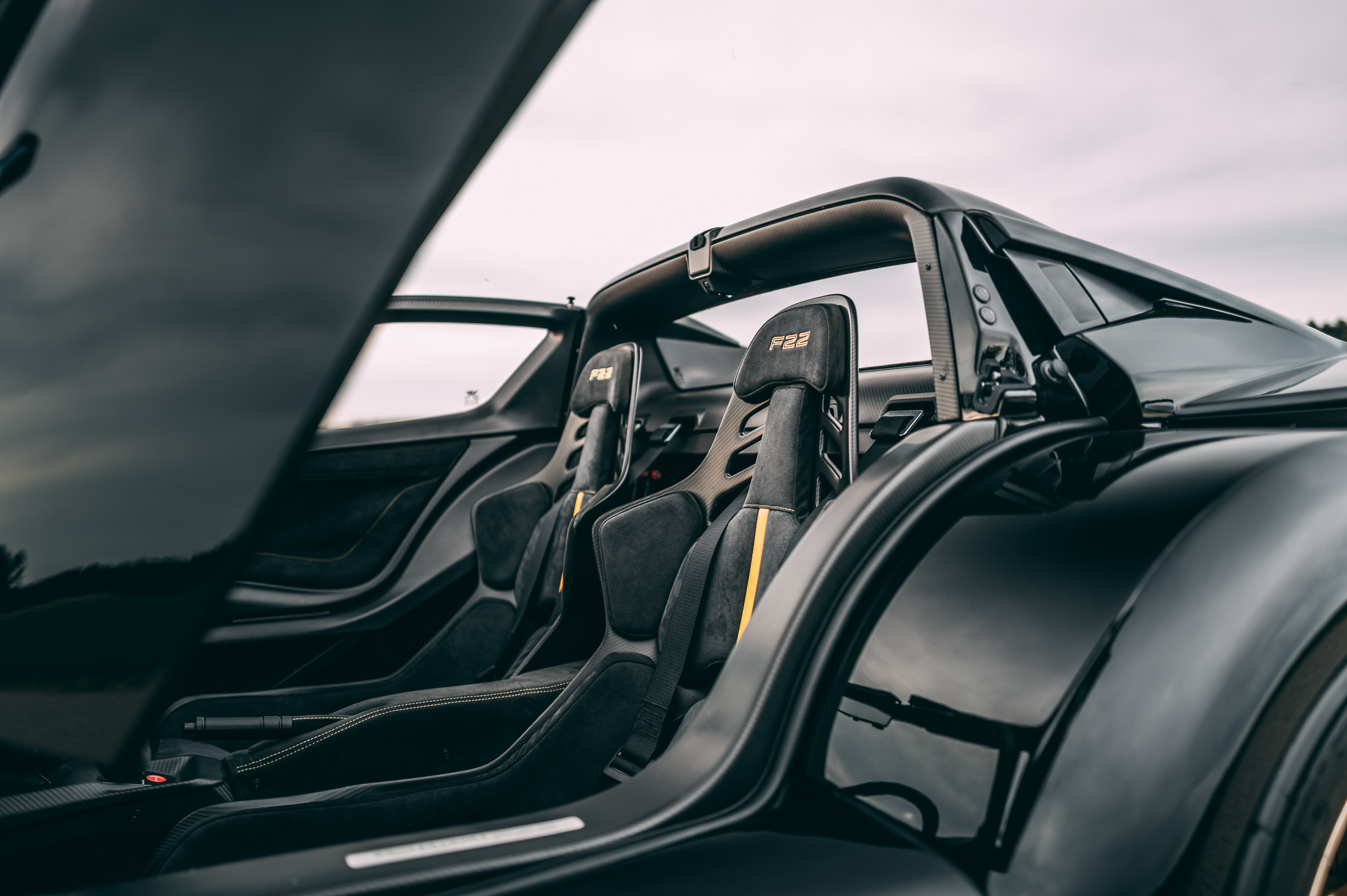
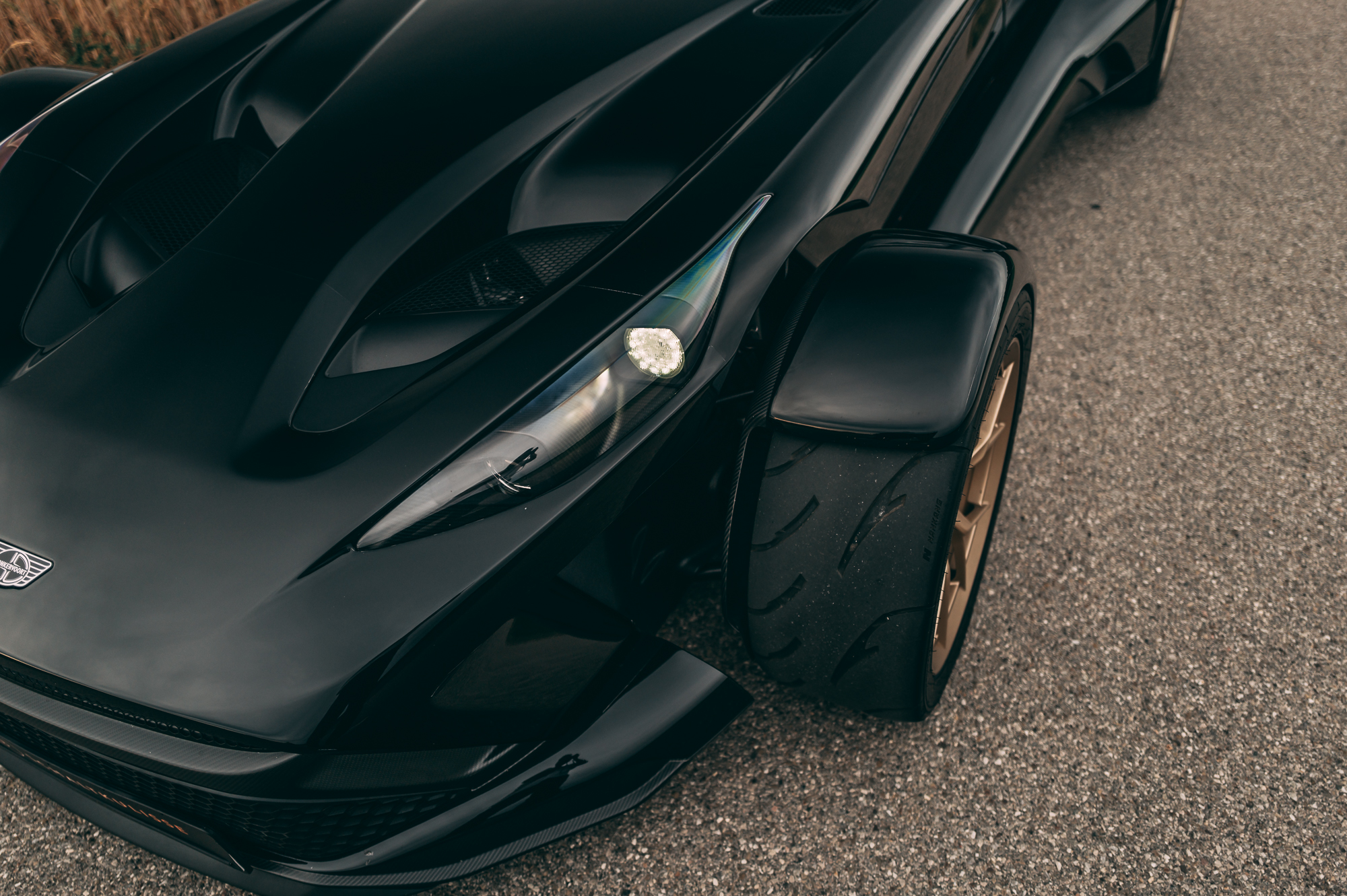
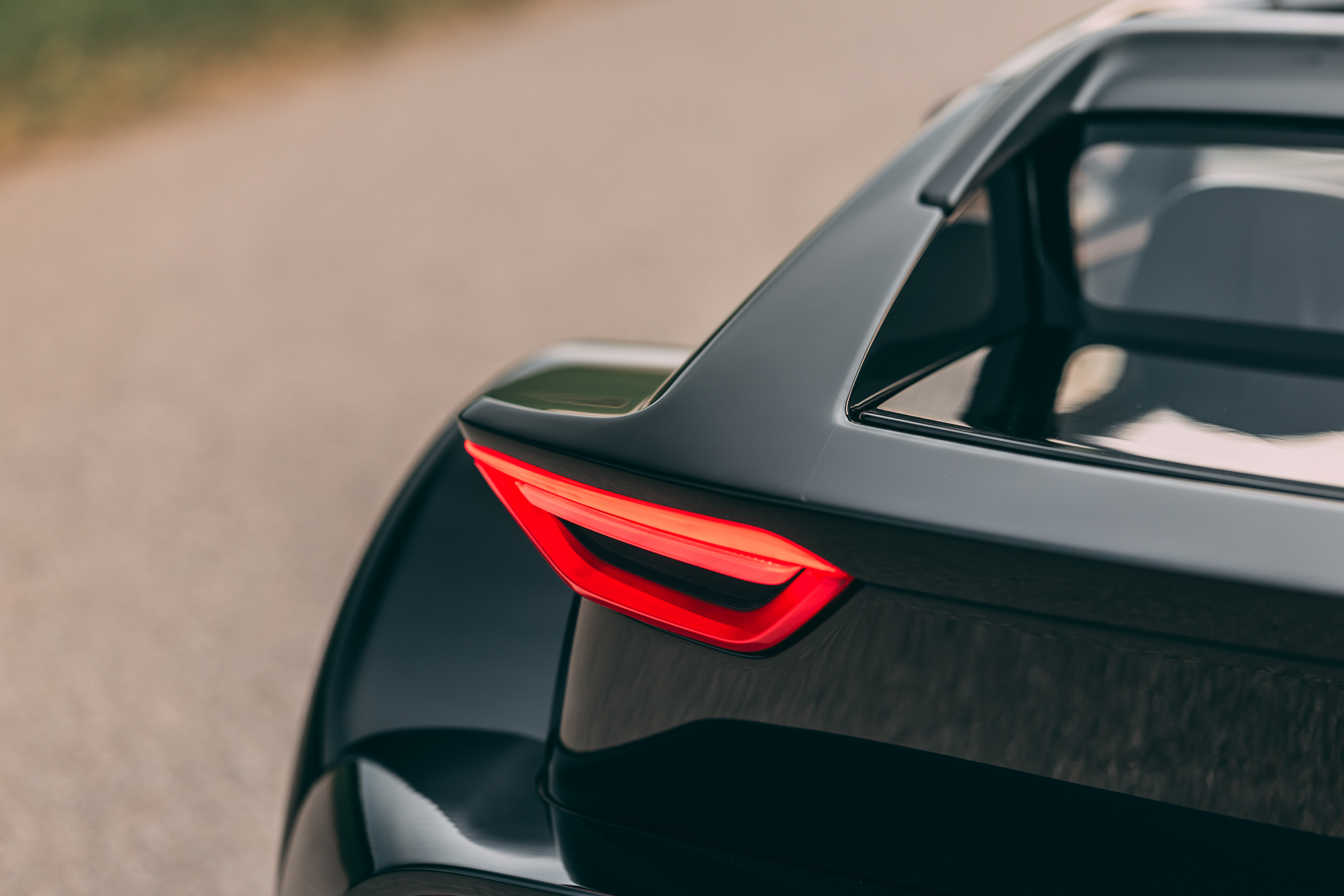
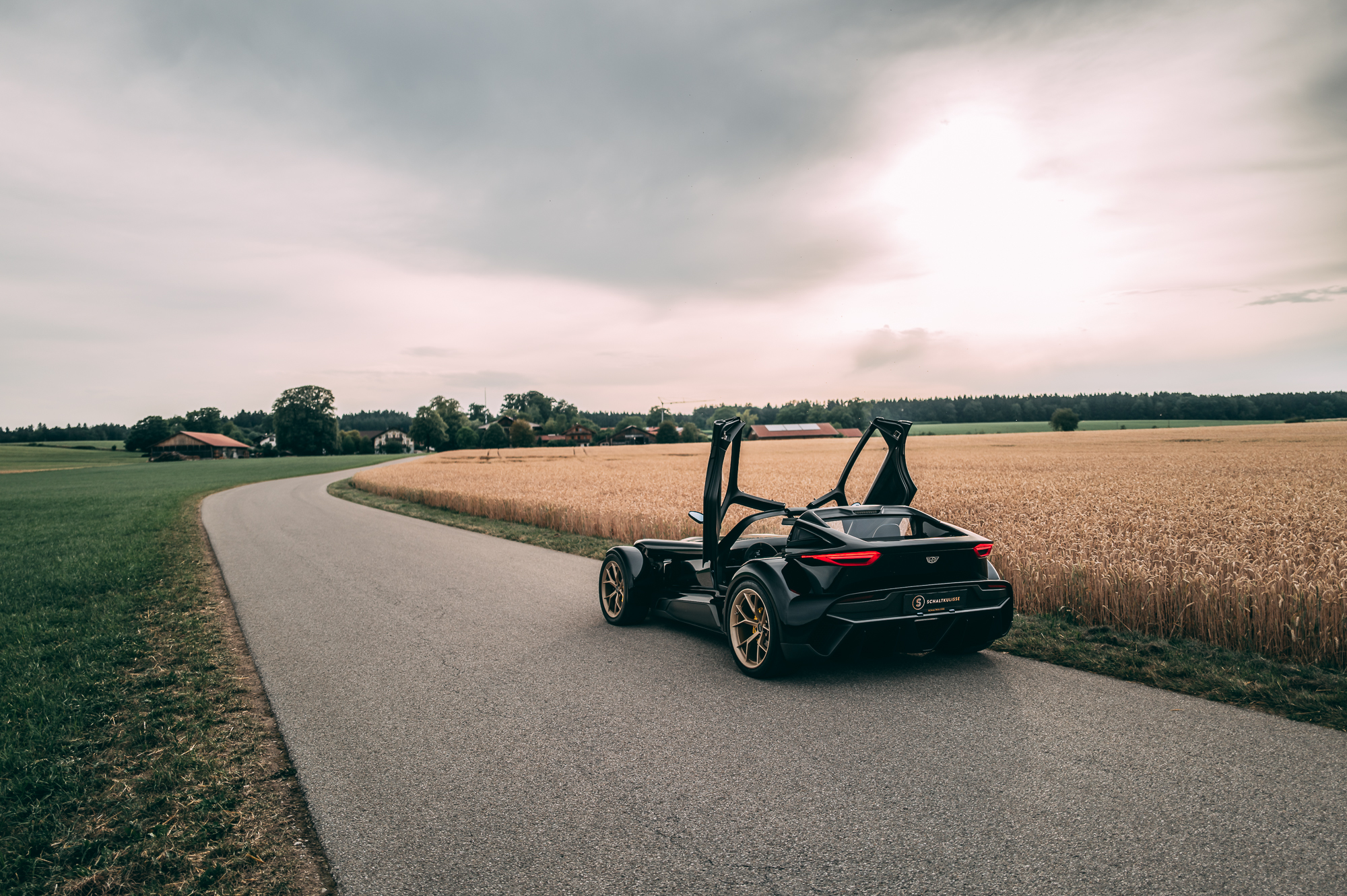
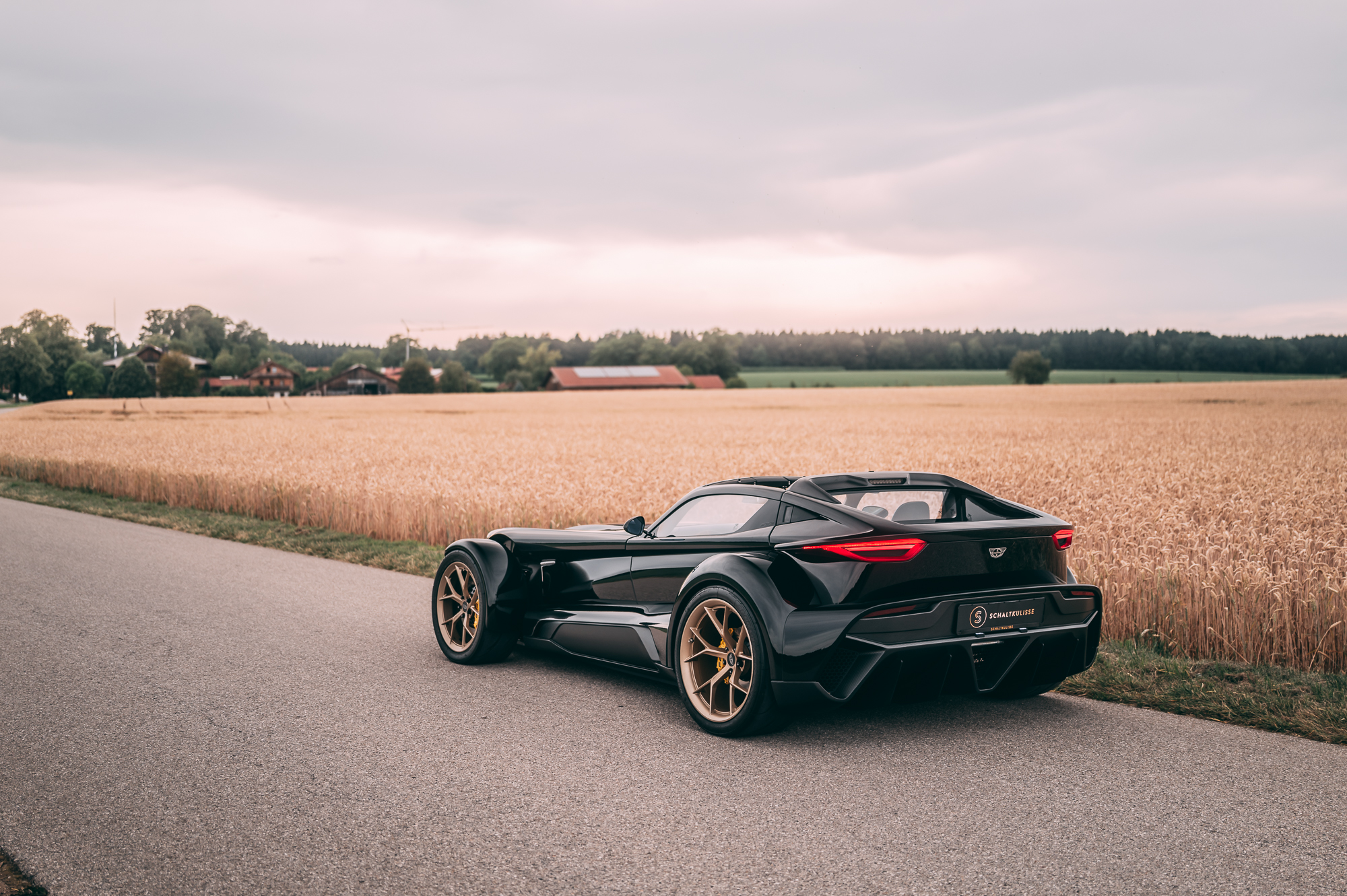
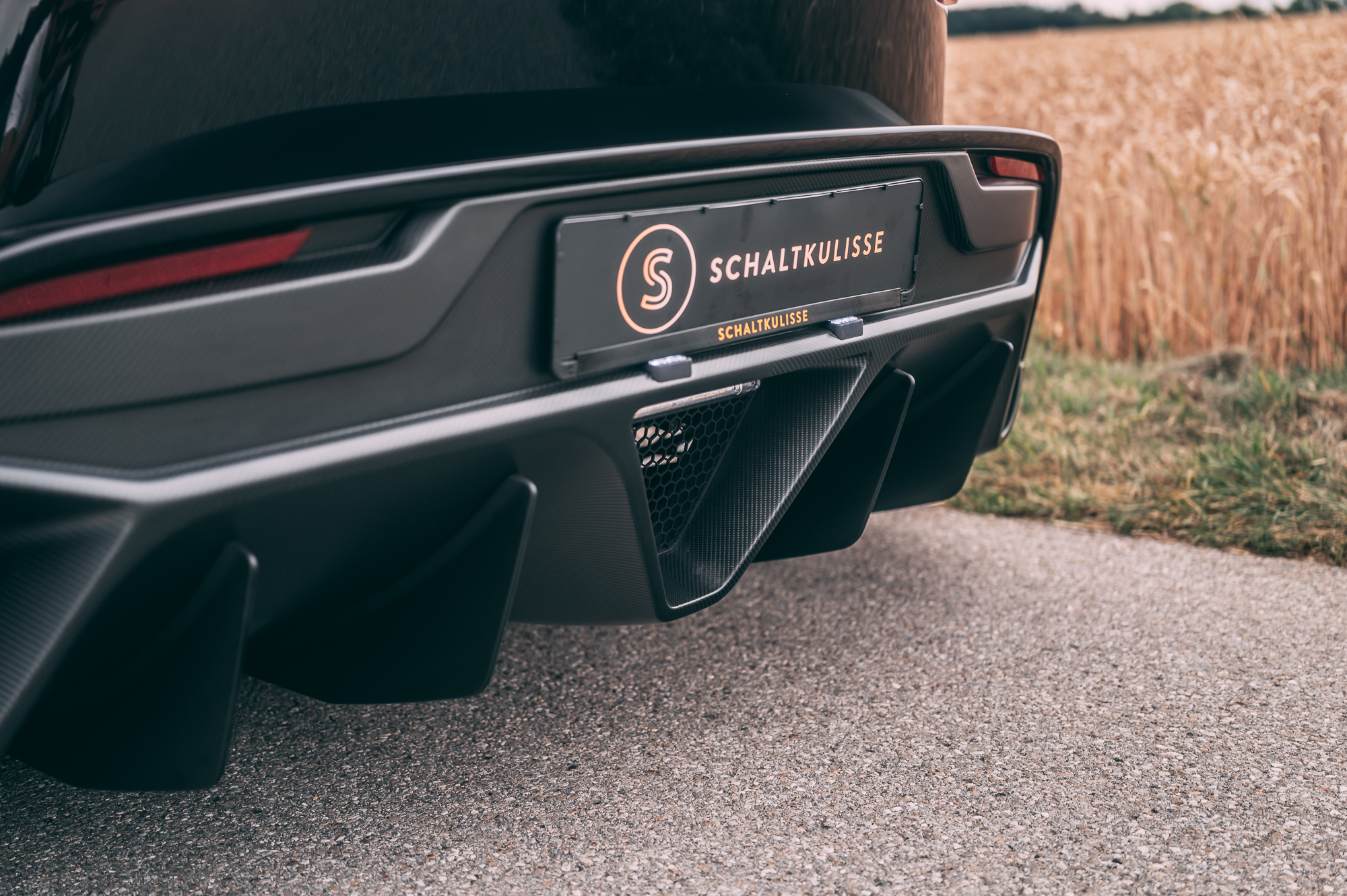
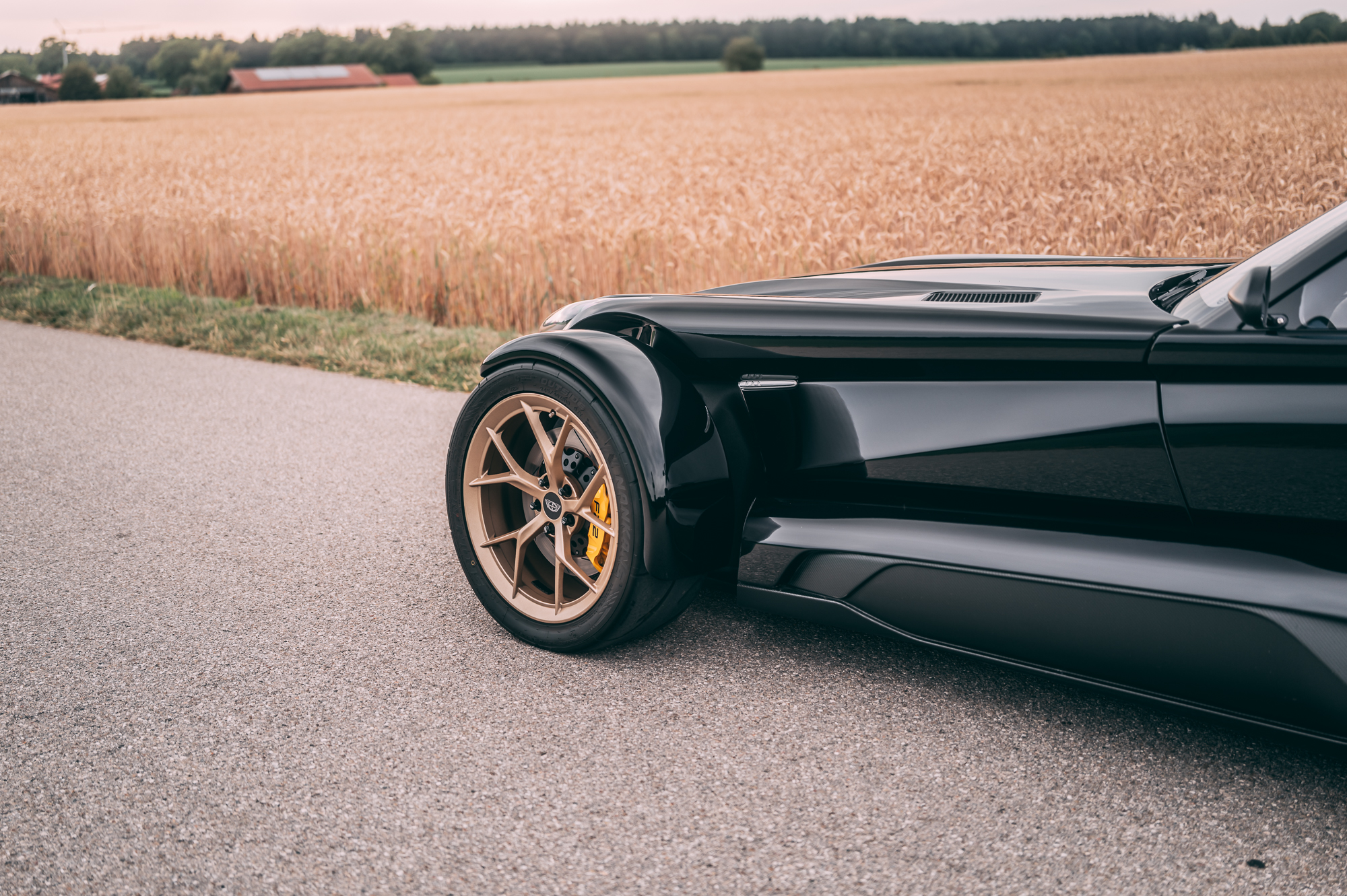
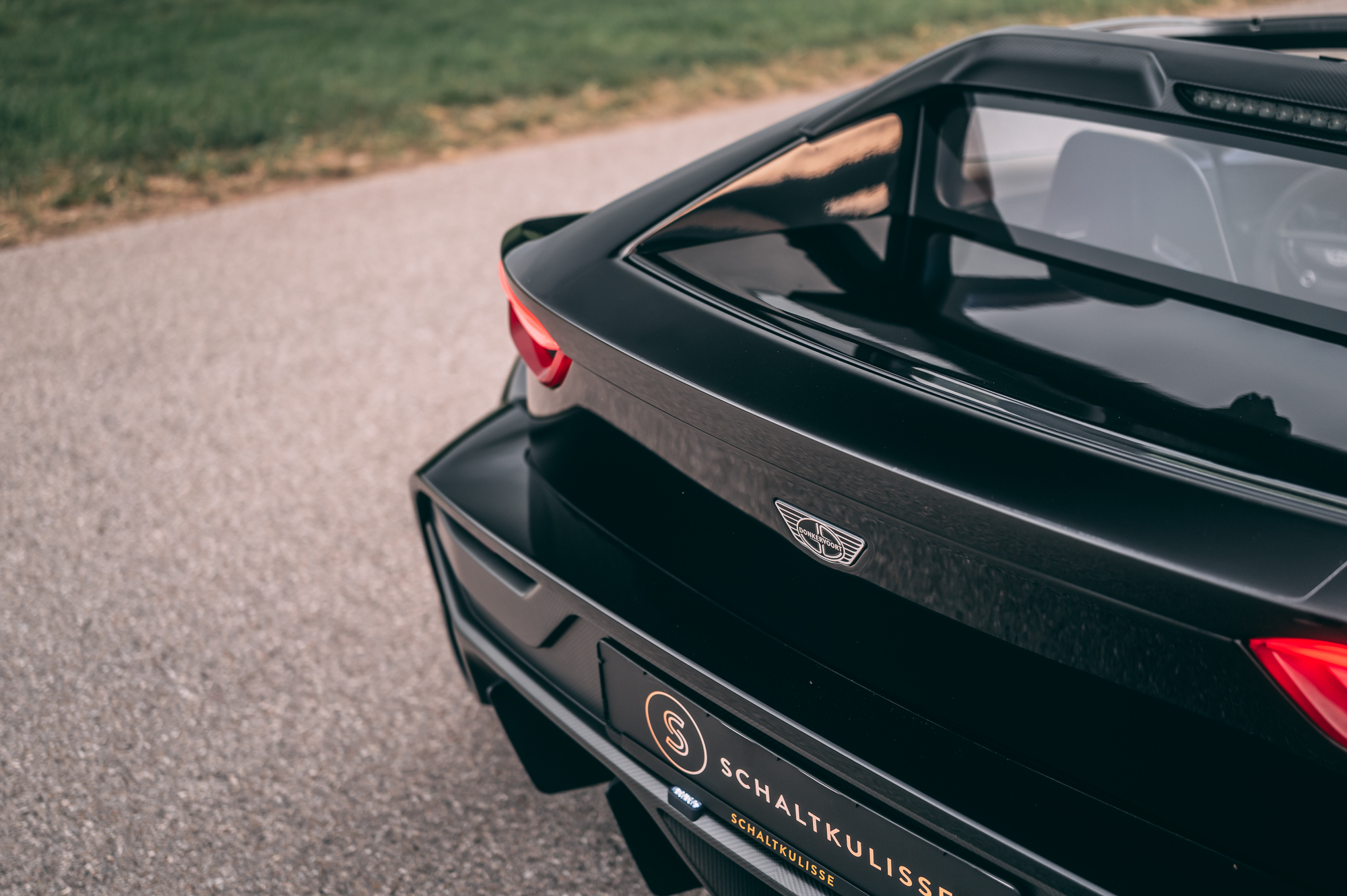
Introduced in 2022 as successor to the D8 GTO, the Donkervoort F22 represents the latest iteration of a design philosophy the Dutch manufacturer has pursued since the 1970s: the pursuit of performance through the systematic elimination of weight, rather than through the accumulation of power. The car pairs an Audi-sourced 2.5-litre turbocharged five-cylinder engine, tuned to approximately 500 horsepower, with a dry weight of just 750 kilograms, a combination yielding a power-to-weight ratio of 666hp per tonne, a figure that exceeds that of contemporary hypercars several times its price.
This achievement is made more notable by the fact that it was accomplished without recourse to hybrid or electric assistance, technologies which, whatever their performance benefits, generally impose a considerable weight penalty that Donkervoort's engineers were evidently unwilling to accept.
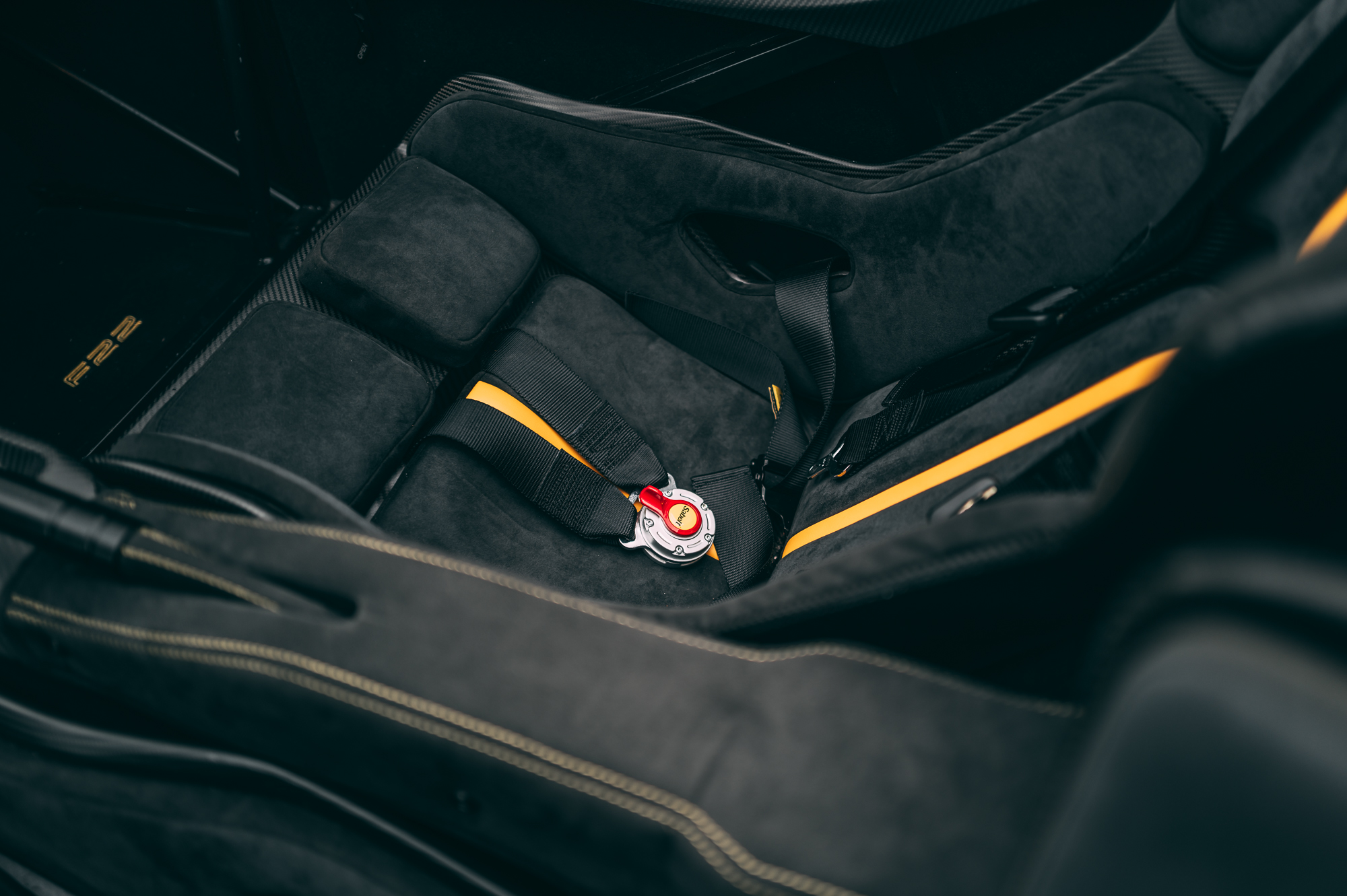
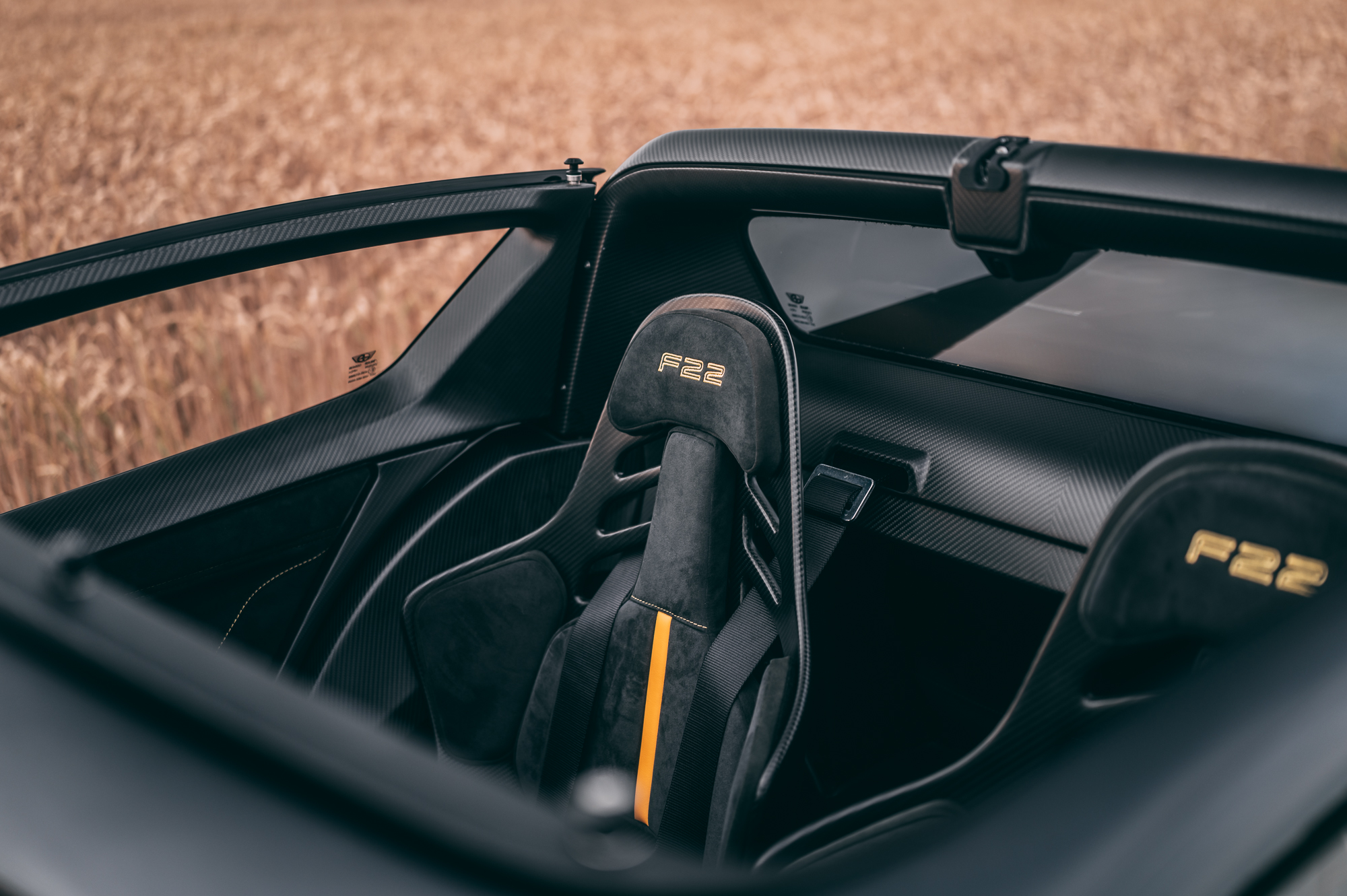
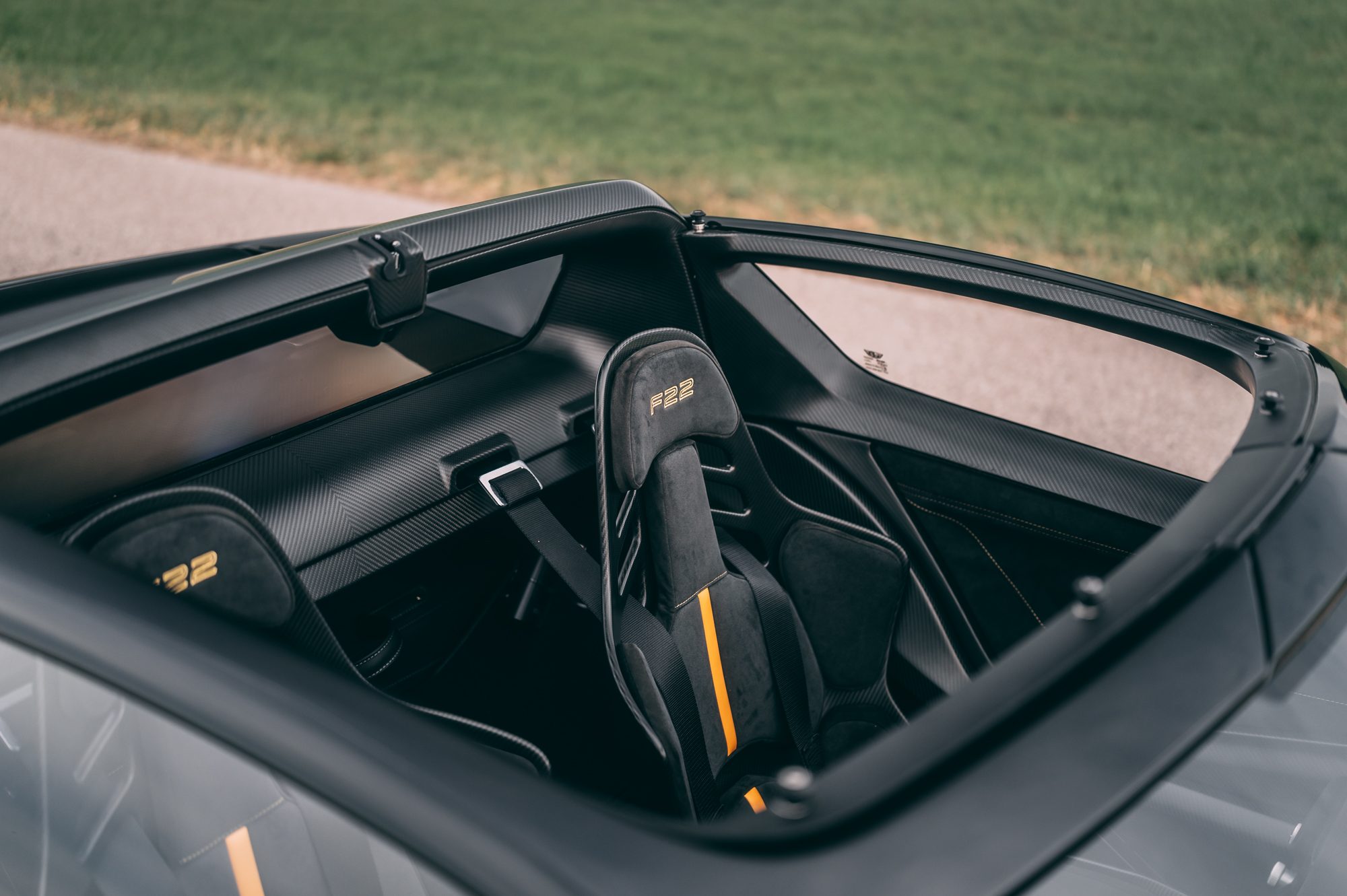
Positioned within the broader landscape of high-performance road cars, the F22 occupies a curious and sadly somewhat isolated category. It shares certain affinities with other minimalist British and continental marques—Ariel, Caterham, and KTM among them—in its prioritization of chassis rigidity and driver engagement over comfort or refinement. Yet in sheer performance terms, and its carbon-fibre construction place it in more direct rivalry with established supercar manufacturers, against whose products it is frequently, and favourably, compared on the basis of weight alone.
Produced only in strictly limited numbers, the F22 might best be understood not as a challenger to mainstream supercar orthodoxy, but as a demonstration of an alternative engineering philosophy: one in which lightness, rather than horsepower, remains the decisive variable. In this respect, it continues to occupy a distinctive niche within the contemporary performance-car market.


