



Tatra

T87

Tatra

T87

KEY FACTS

  • Rare surviving example of this influential car
  • Fully restored by leading experts ECCORA
  • Original Colour Combination
  • One of the most important cars of the 20th century

THE MODEL

Make: Tatra

Model: T87

Year of Manufacture: 1950

Location: Munich, Germany

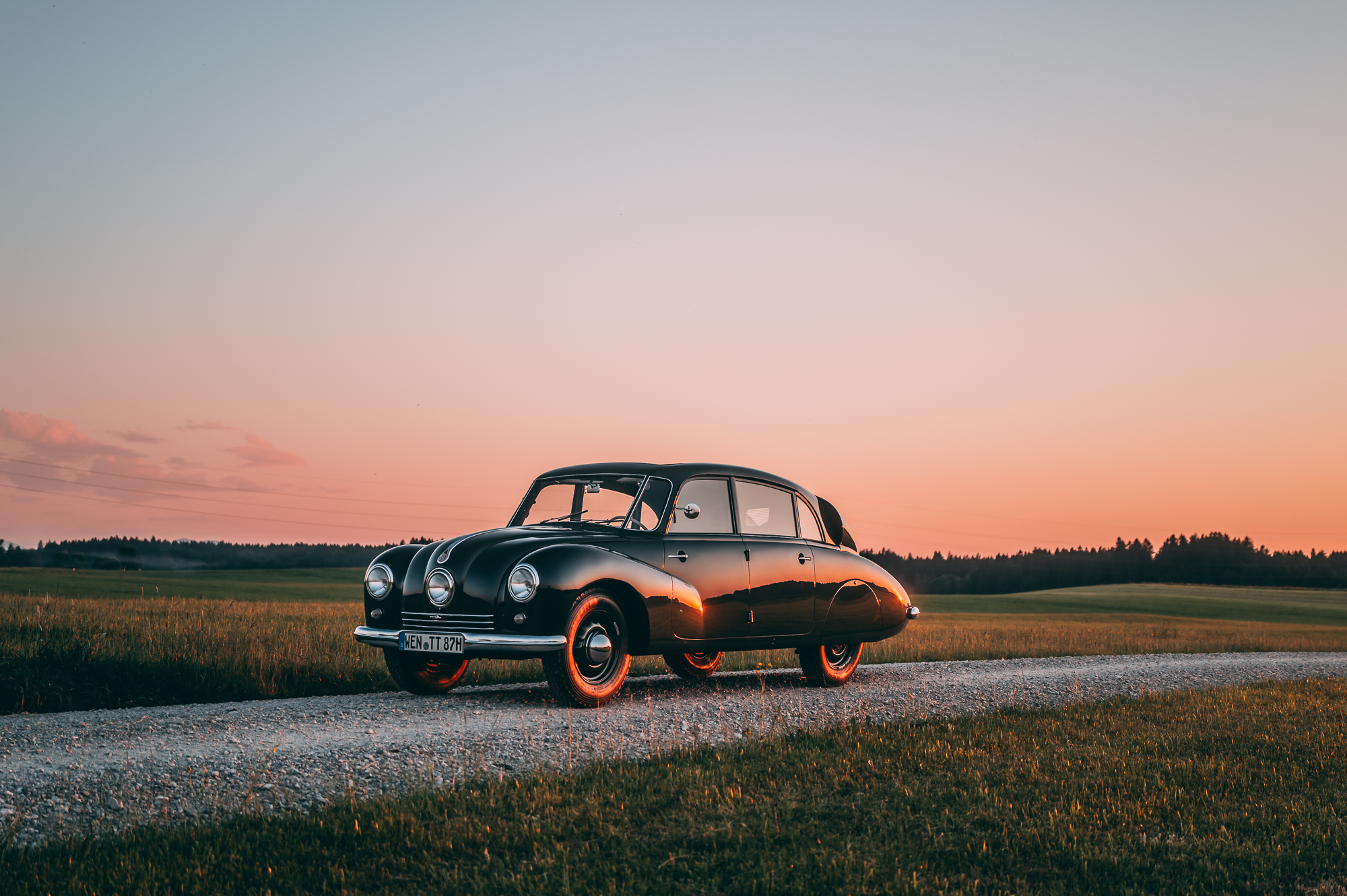
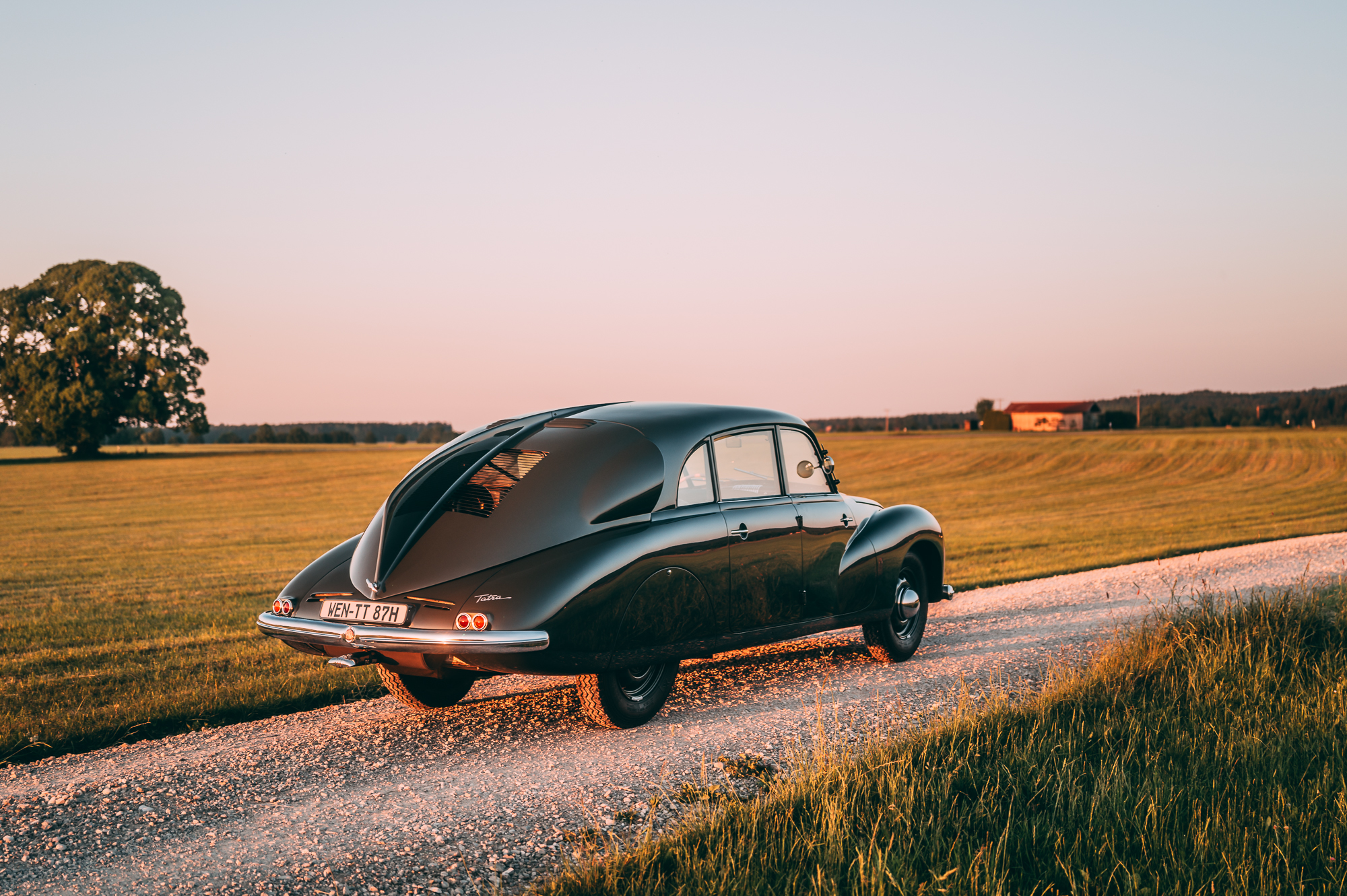
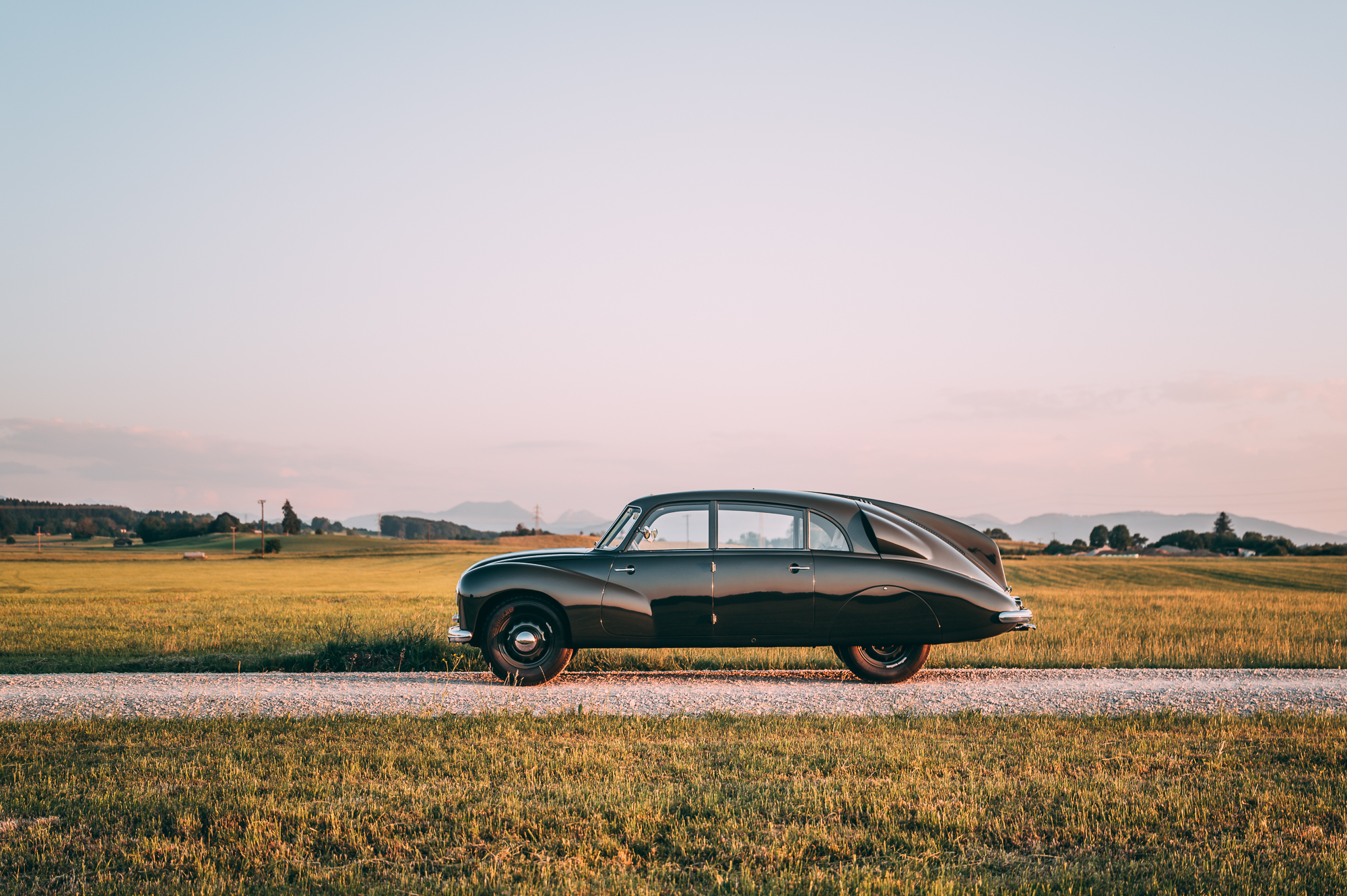
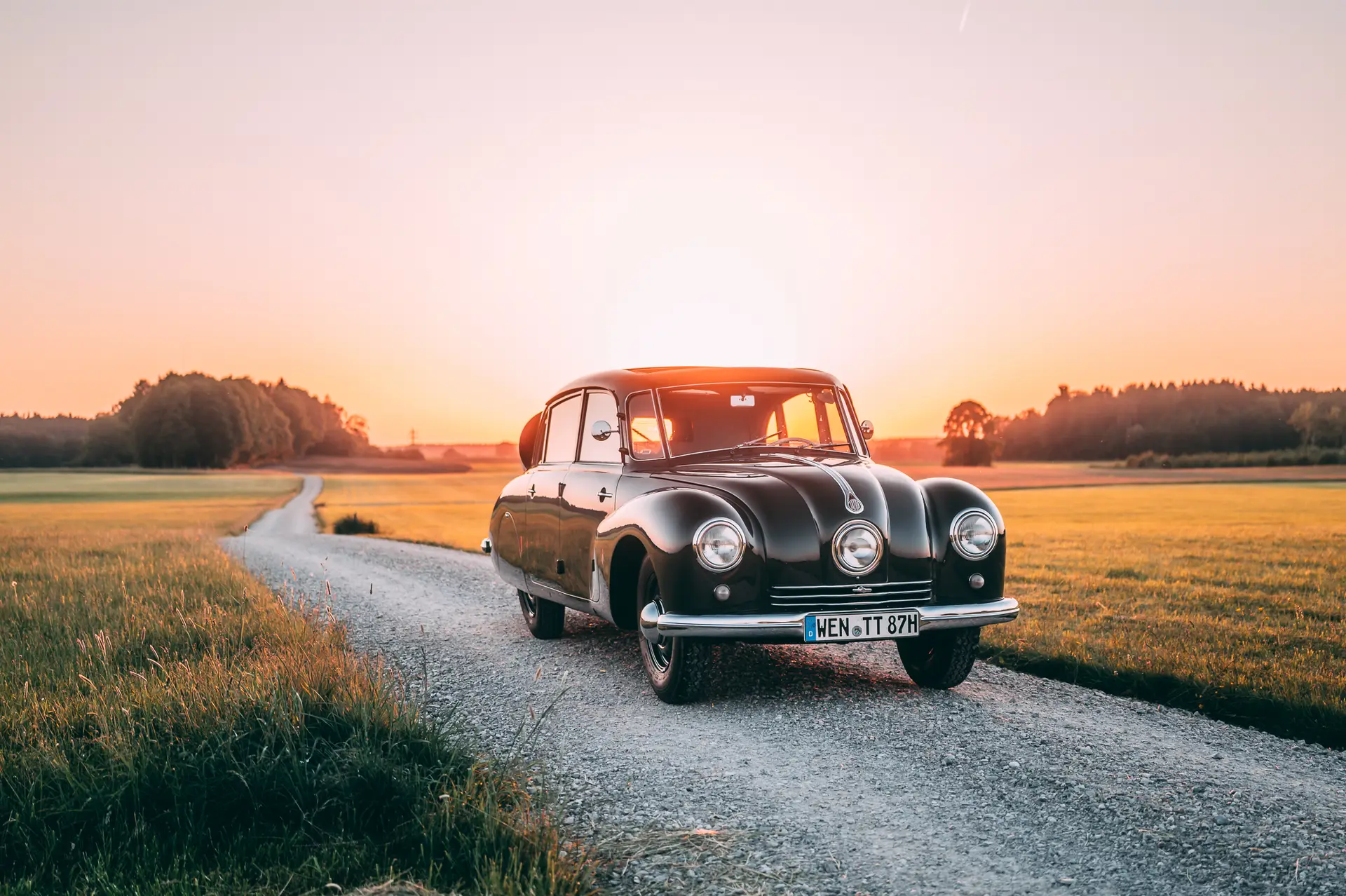
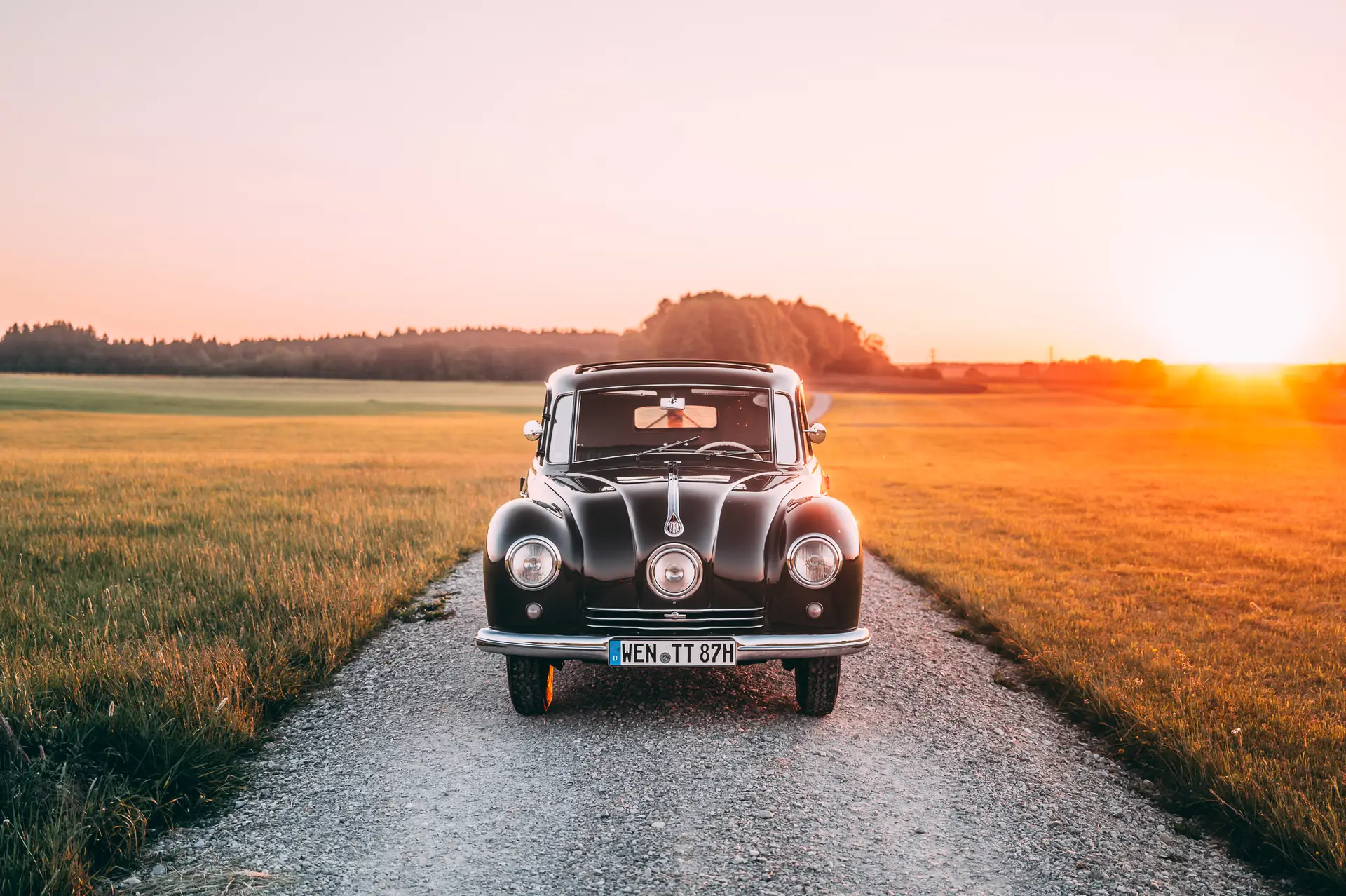
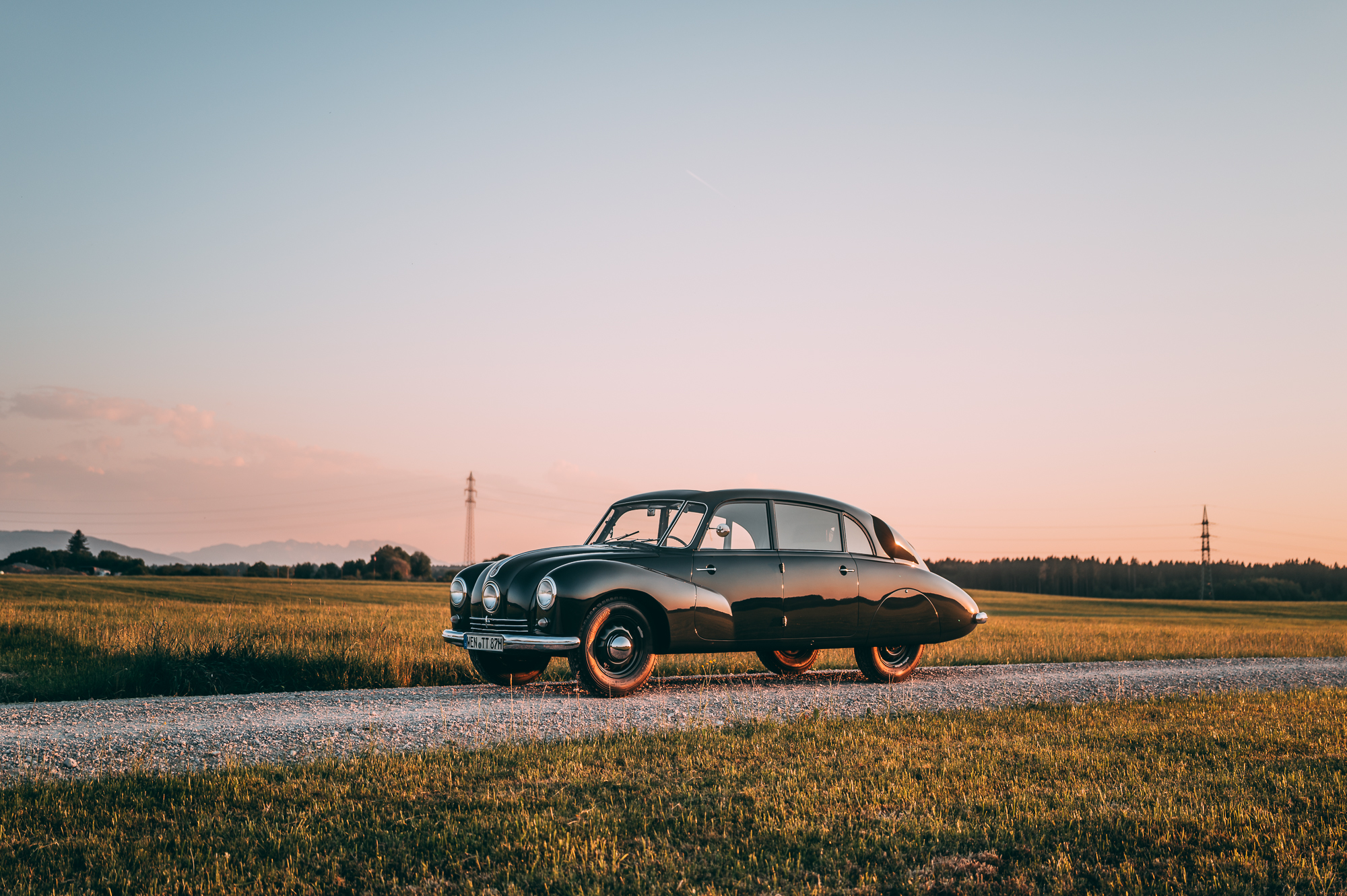
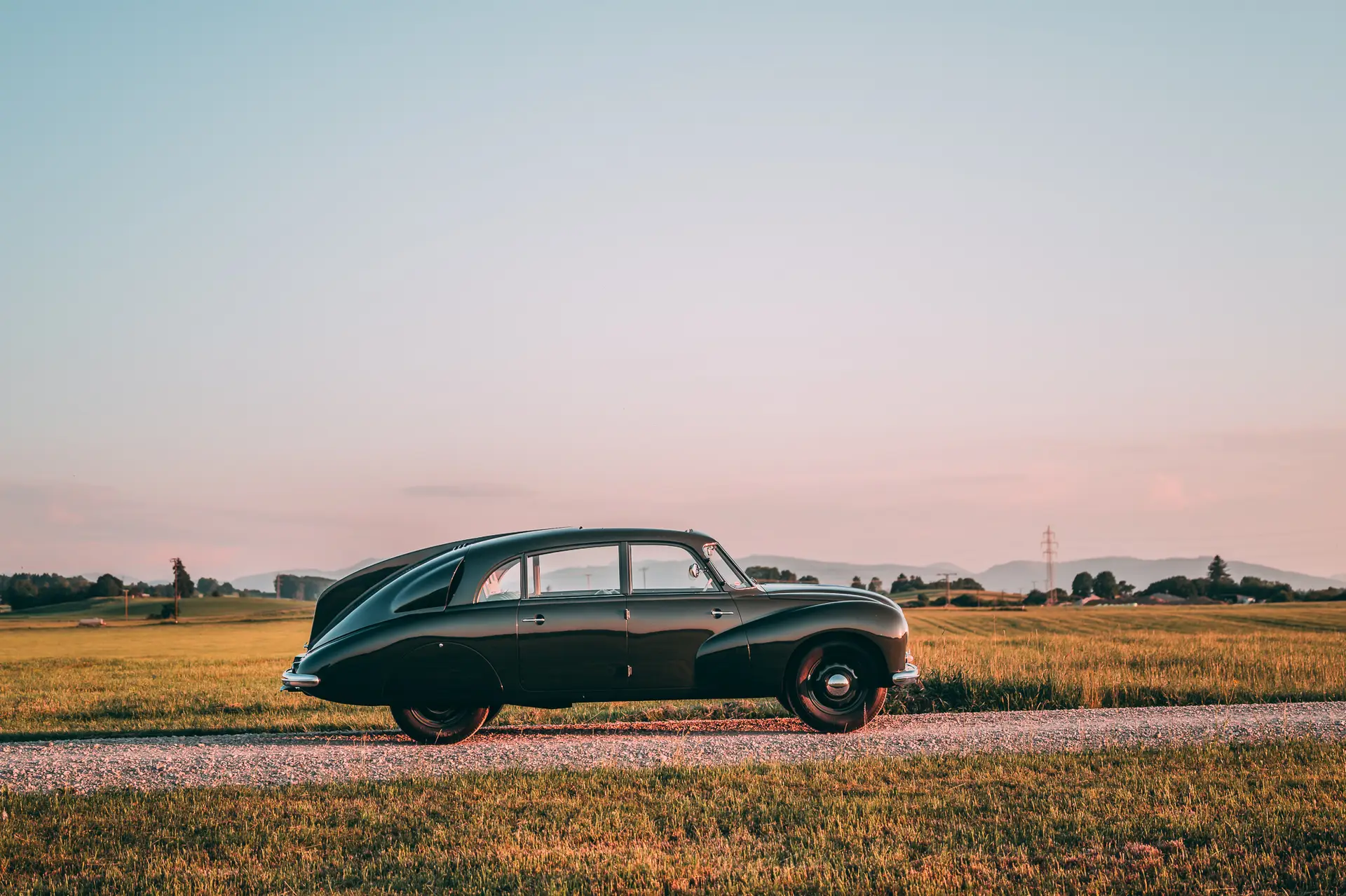
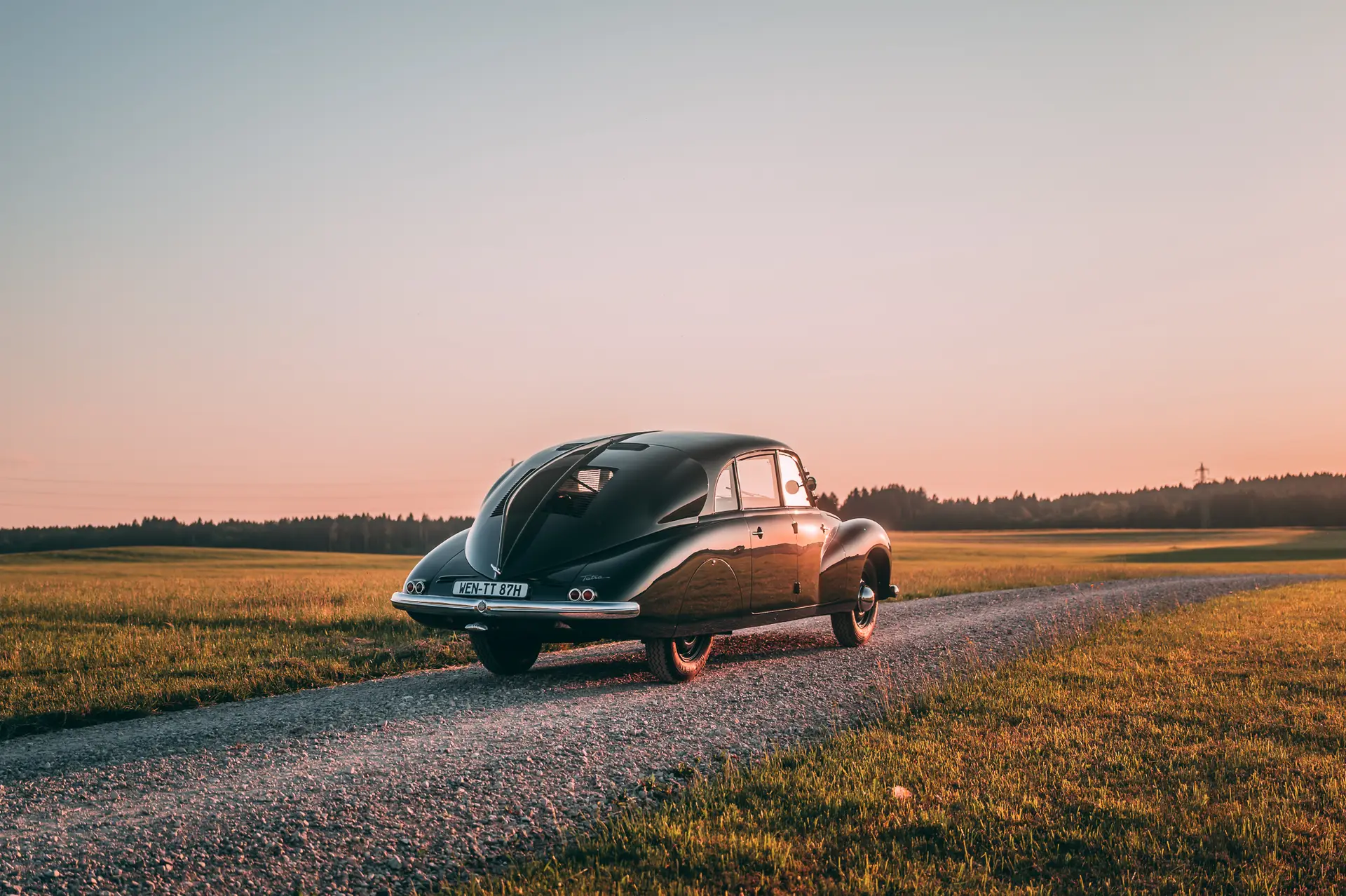
Exterior: Dark Green

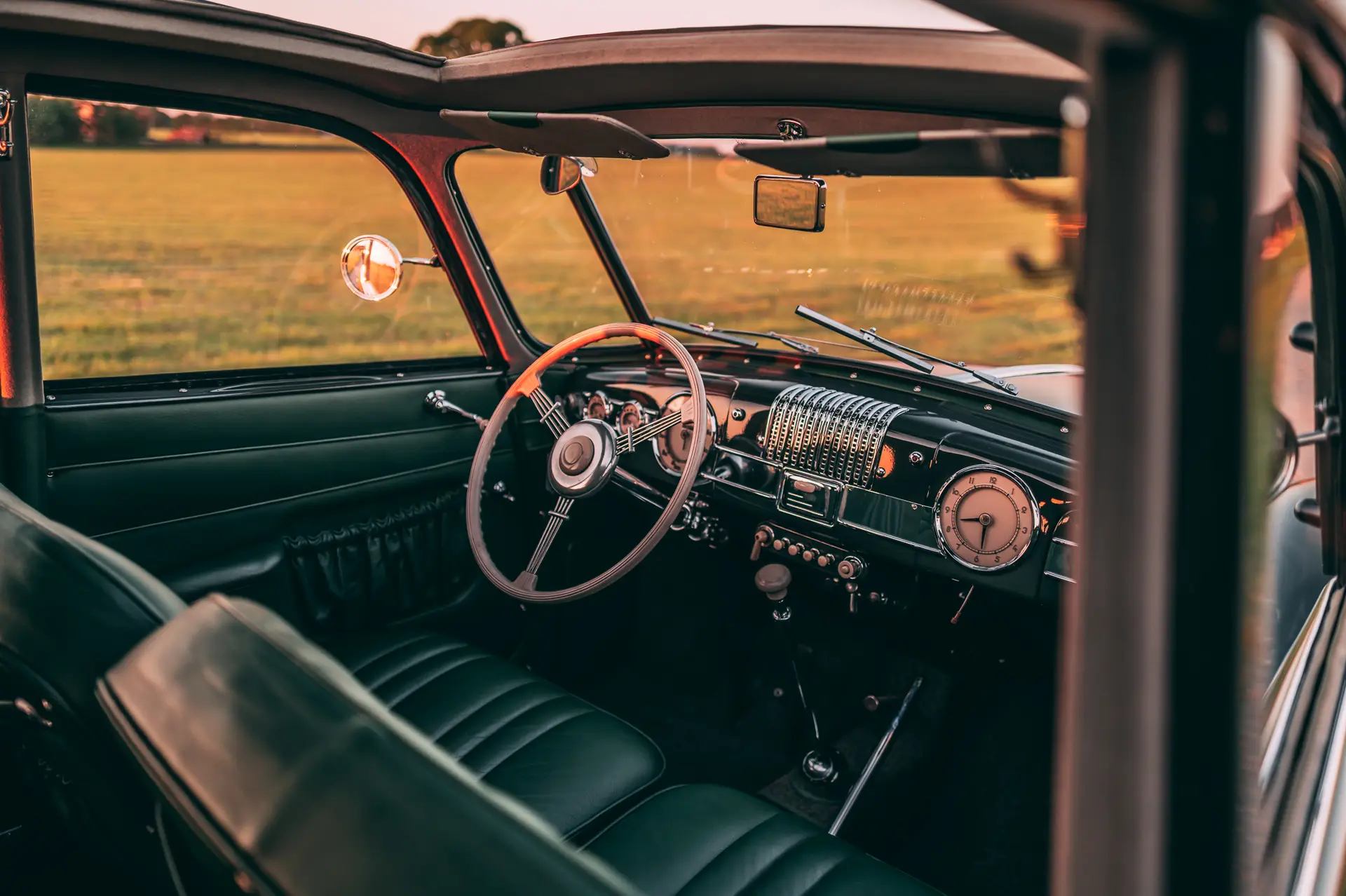
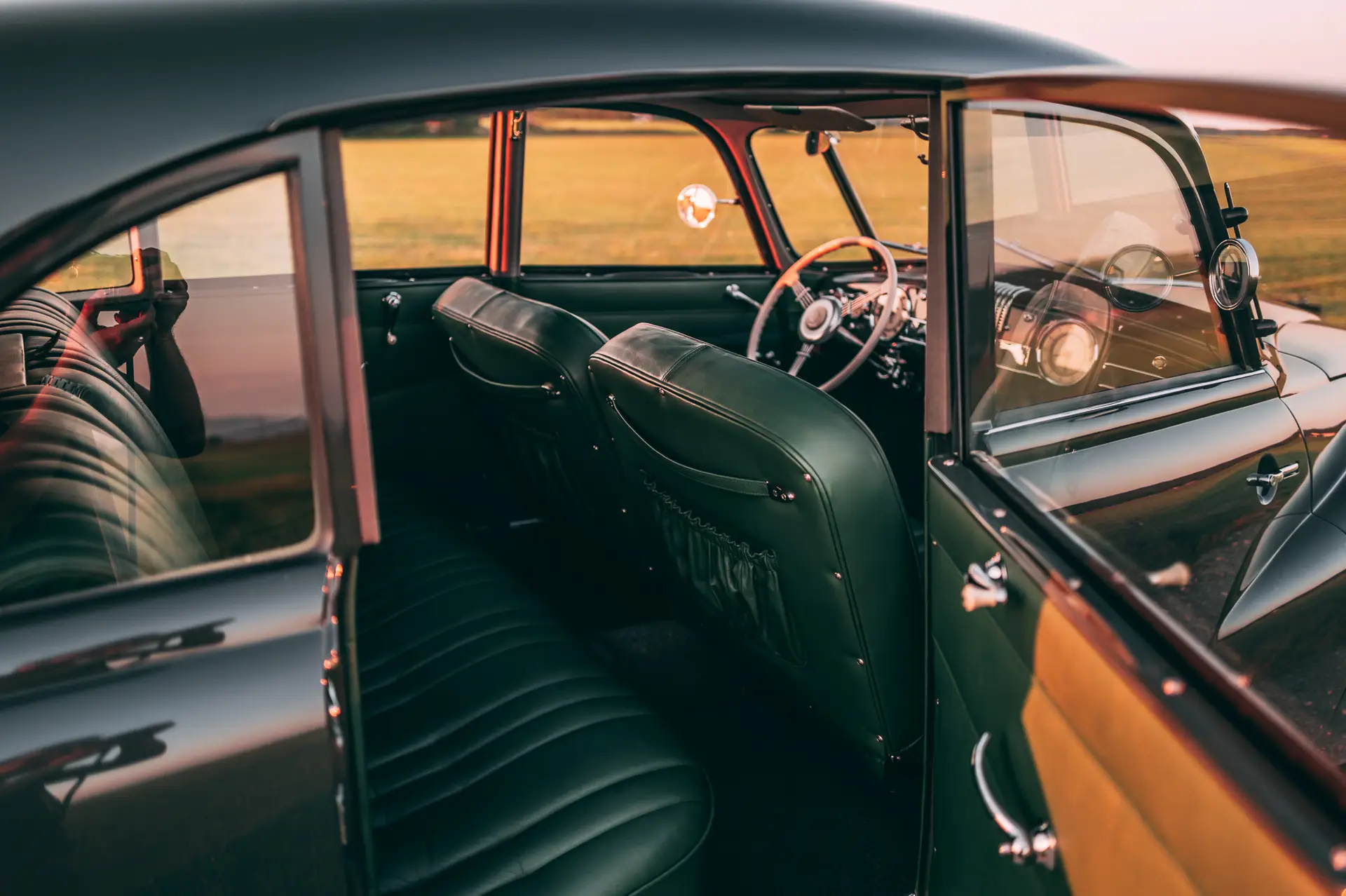
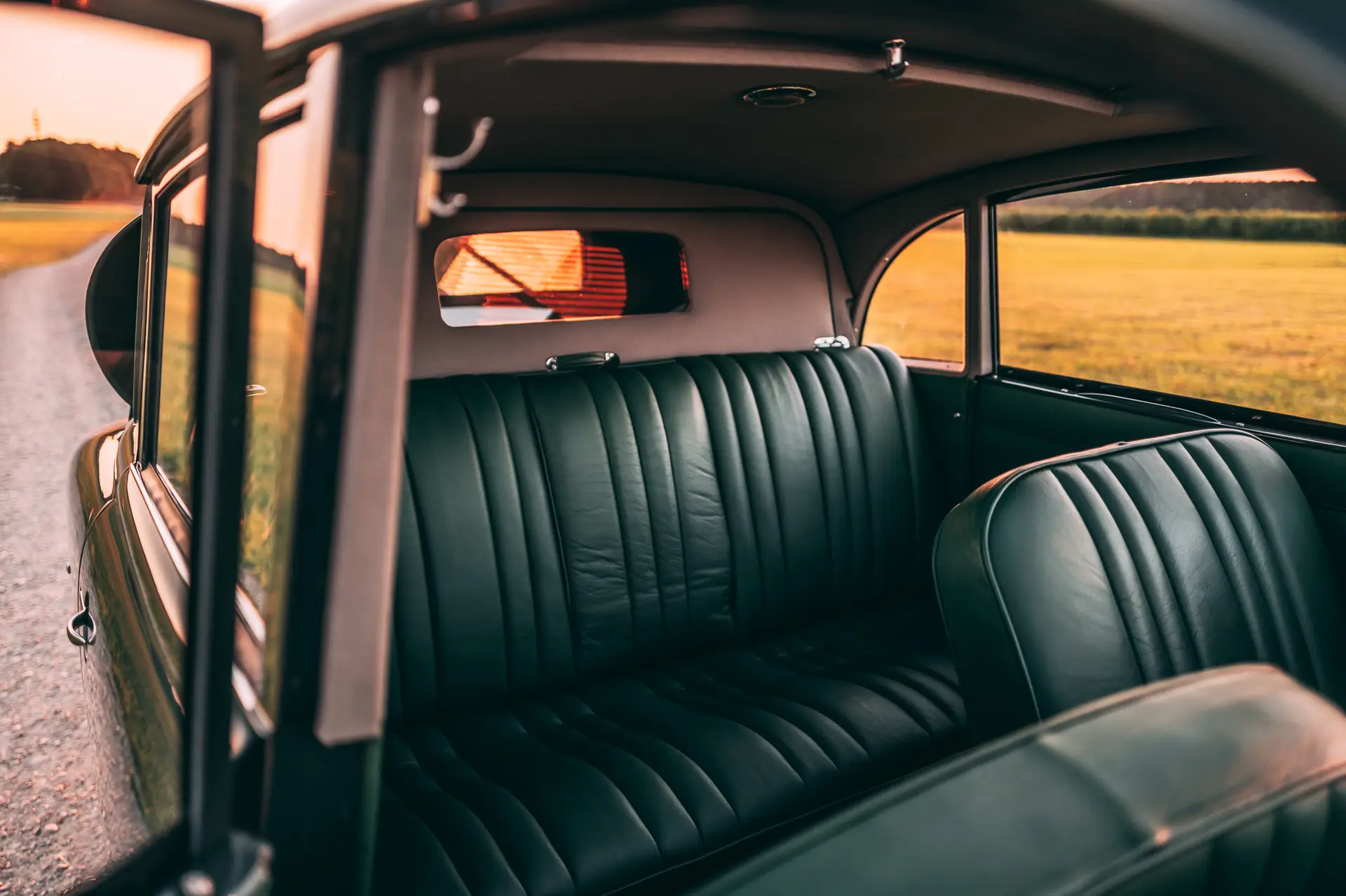
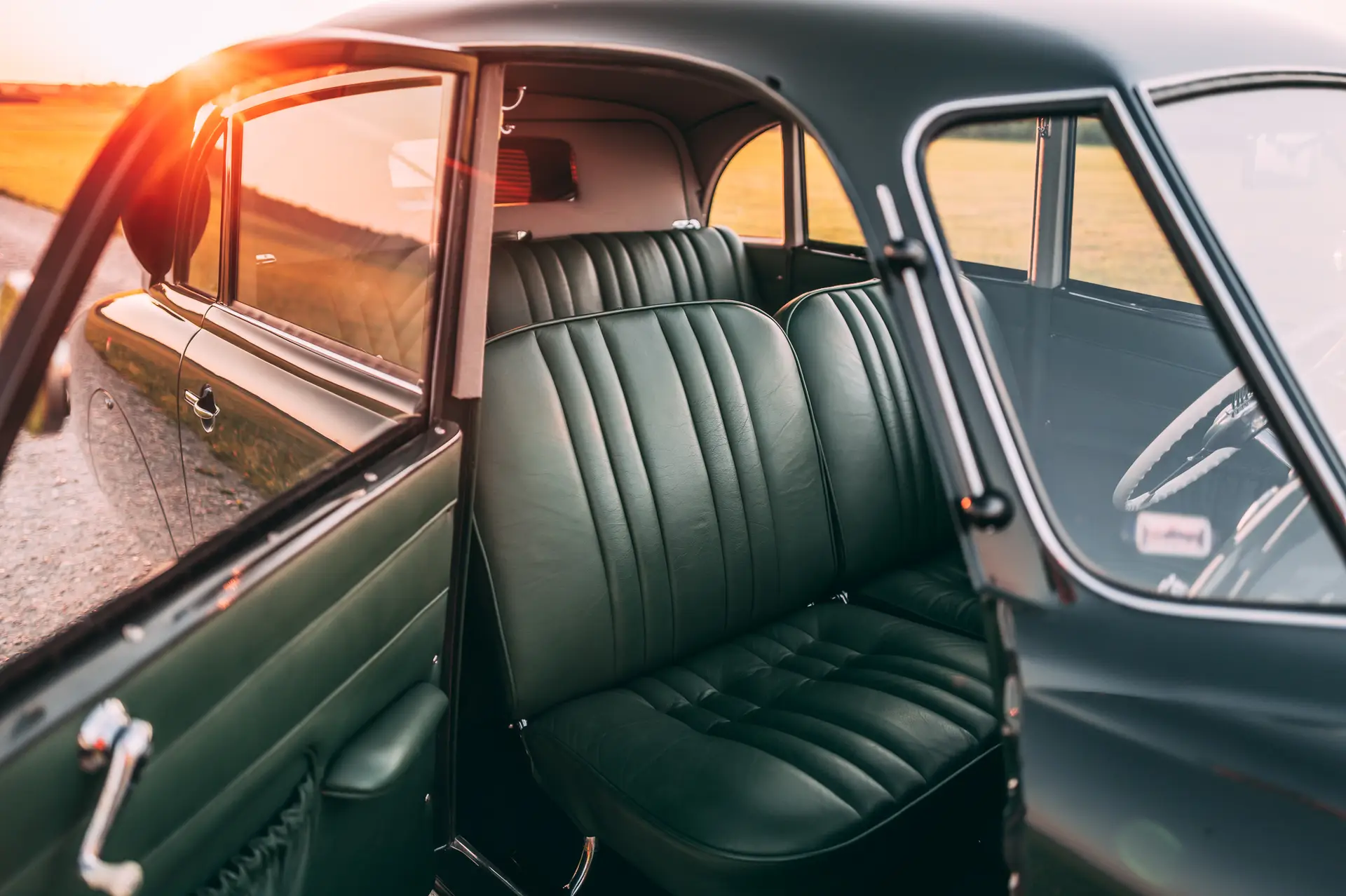
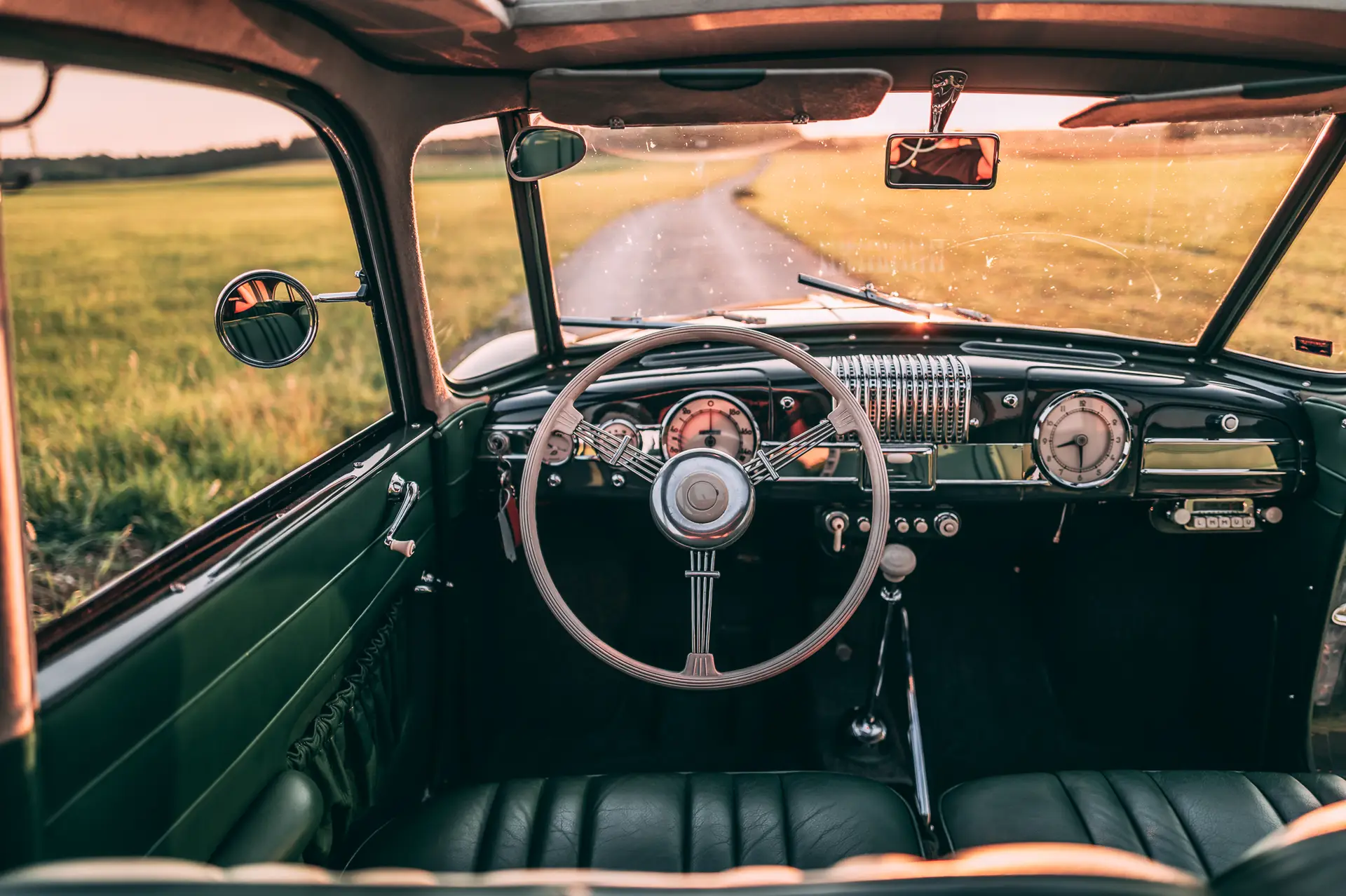
Interior: Green Leather

Price: P.O.A

Before aerodynamics were a defining feature of car design Hans Ledwinka and Erich Übelacker sat down and designed something that looked less like something designed for the roads of the 1930s and more like a glimpse into a new era.

The result was the Tatra T87: a rear-engined, air-cooled touring saloon of such radical conception that the German Army reportedly banned its own officers from driving one — not out of nationalistic pride, but because too many of them were dying behind the wheel, seduced by a top speed approaching 100 mph and handling that rewarded the attentive and punished the careless with gusto. Whether the story is true, it has stuck and rather overshadowed just how remarkable this car is because in the pre-war are Czechoslovakia was quietly building the most technically sophisticated motor vehicles in the world.

Produced between 1936 and 1950, with just 3,056 examples completed across its production life, the T87 is among the rarest and most historically significant automobiles of the twentieth century.

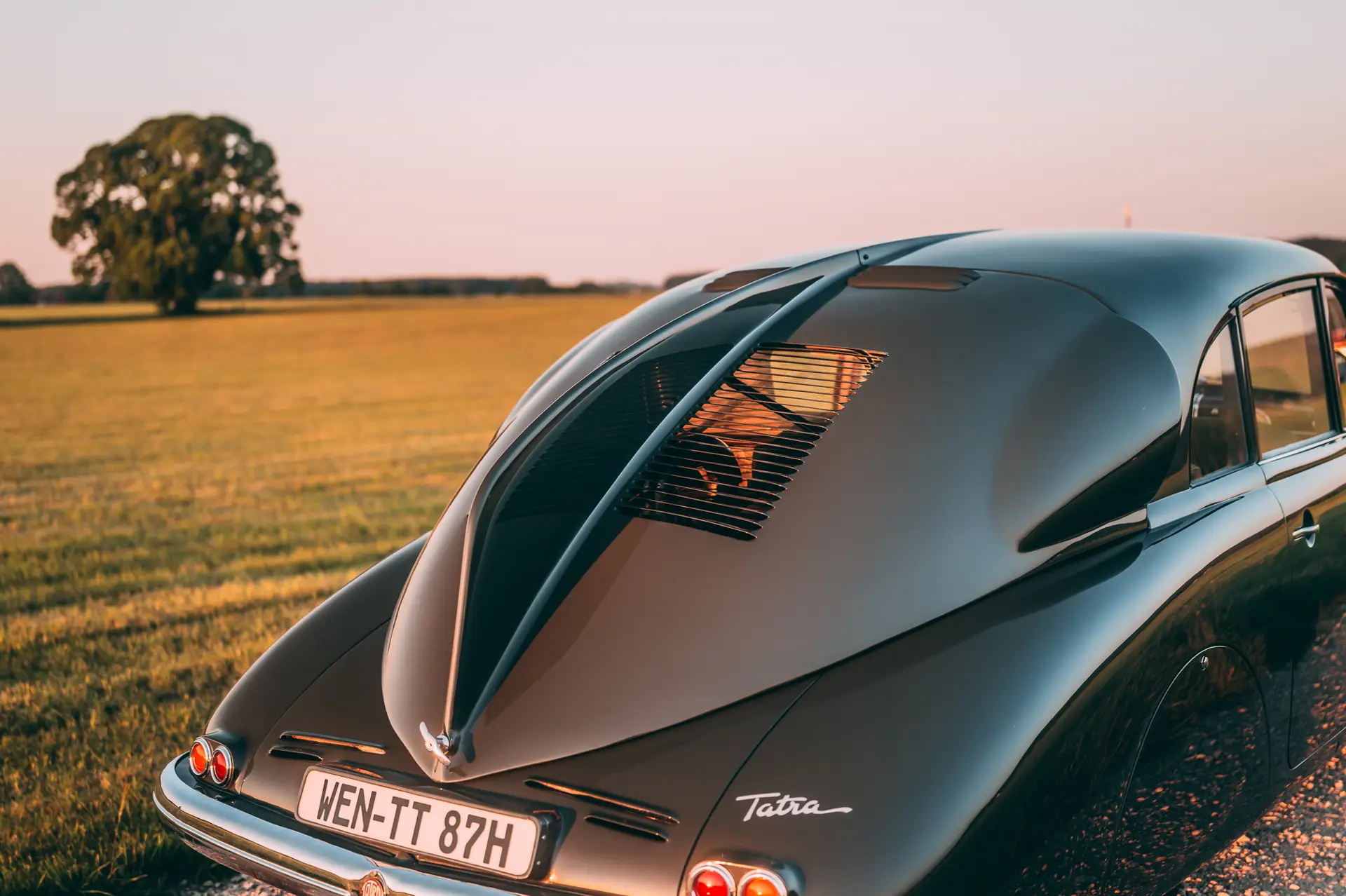
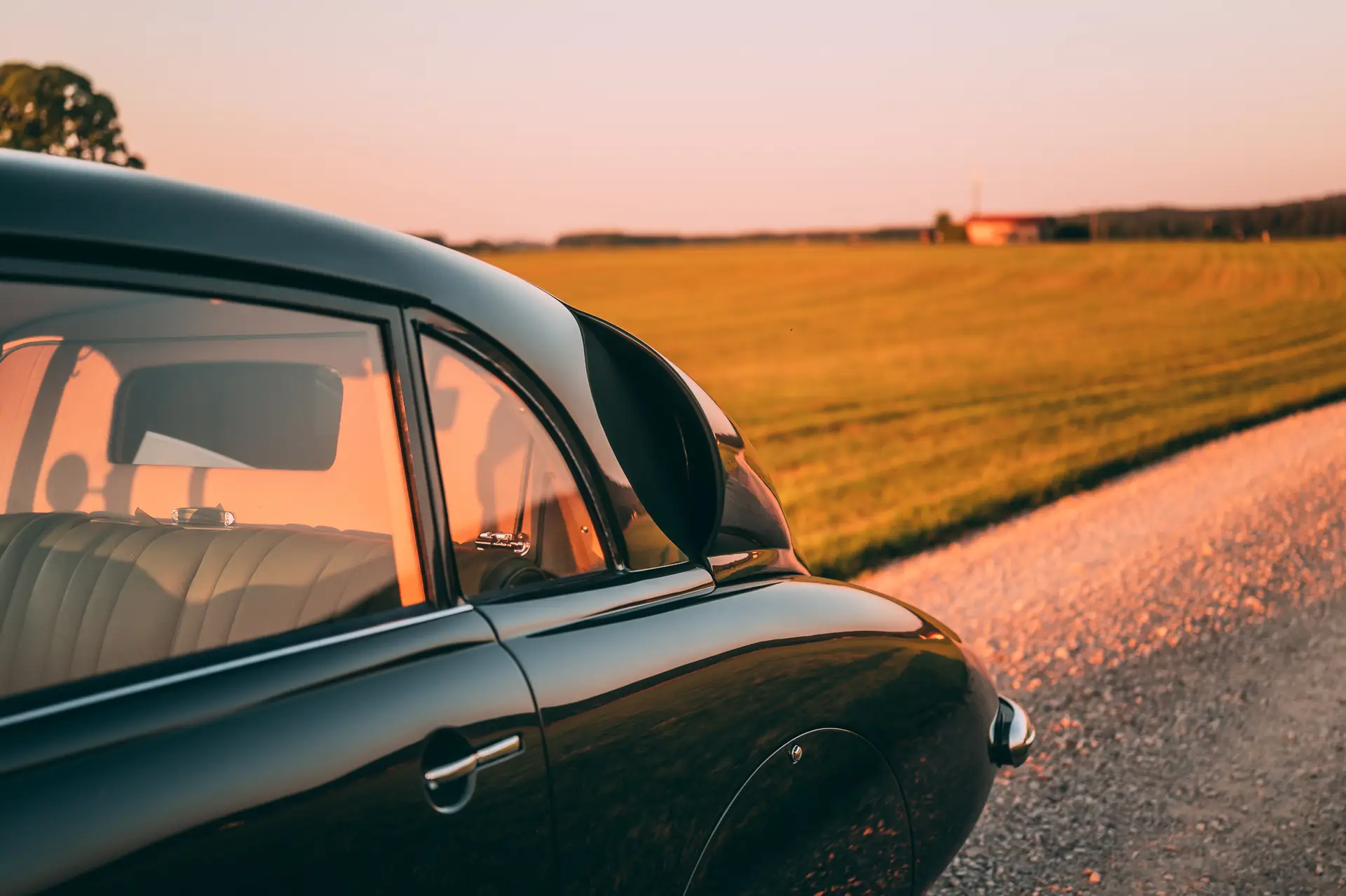
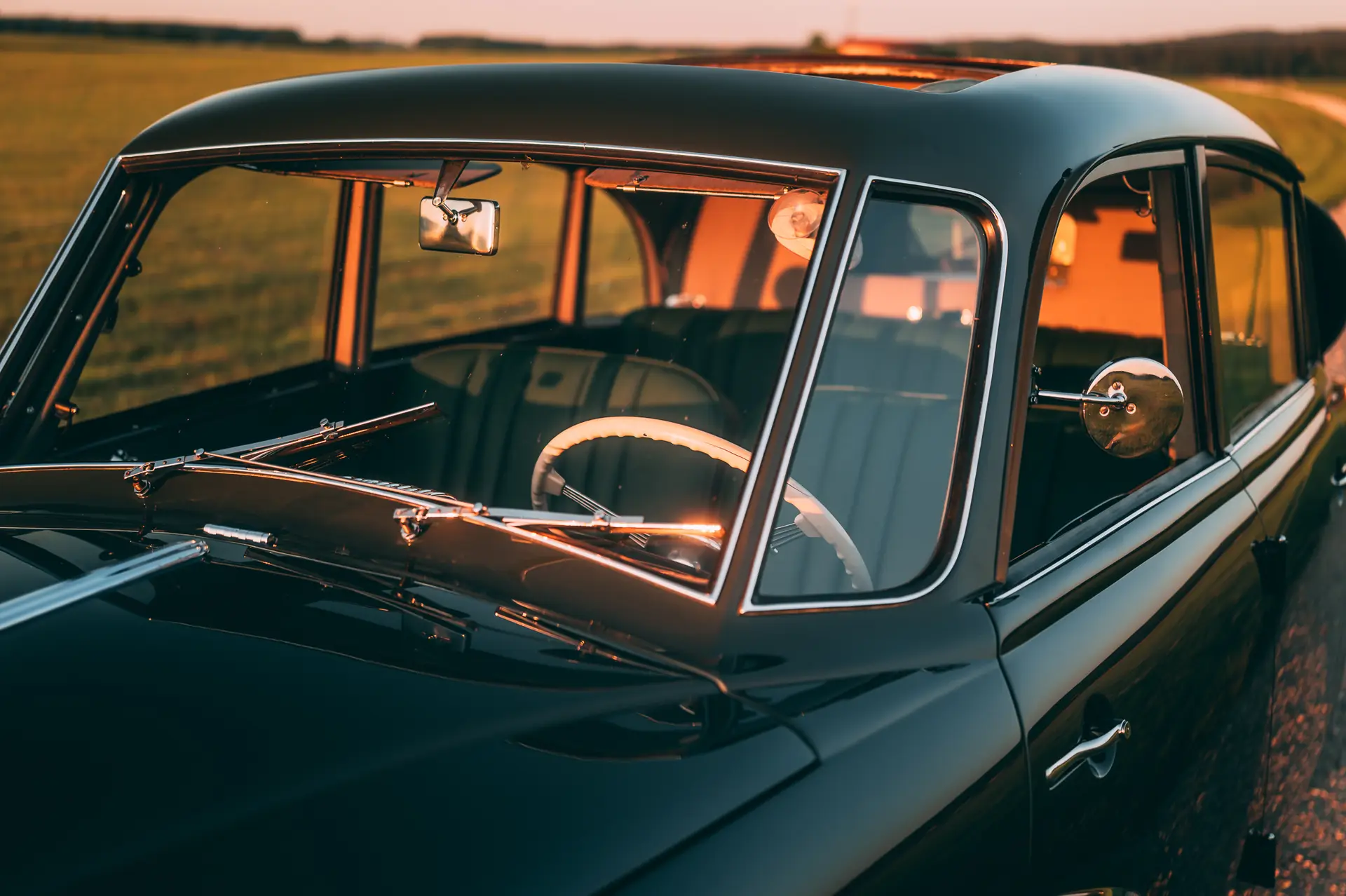
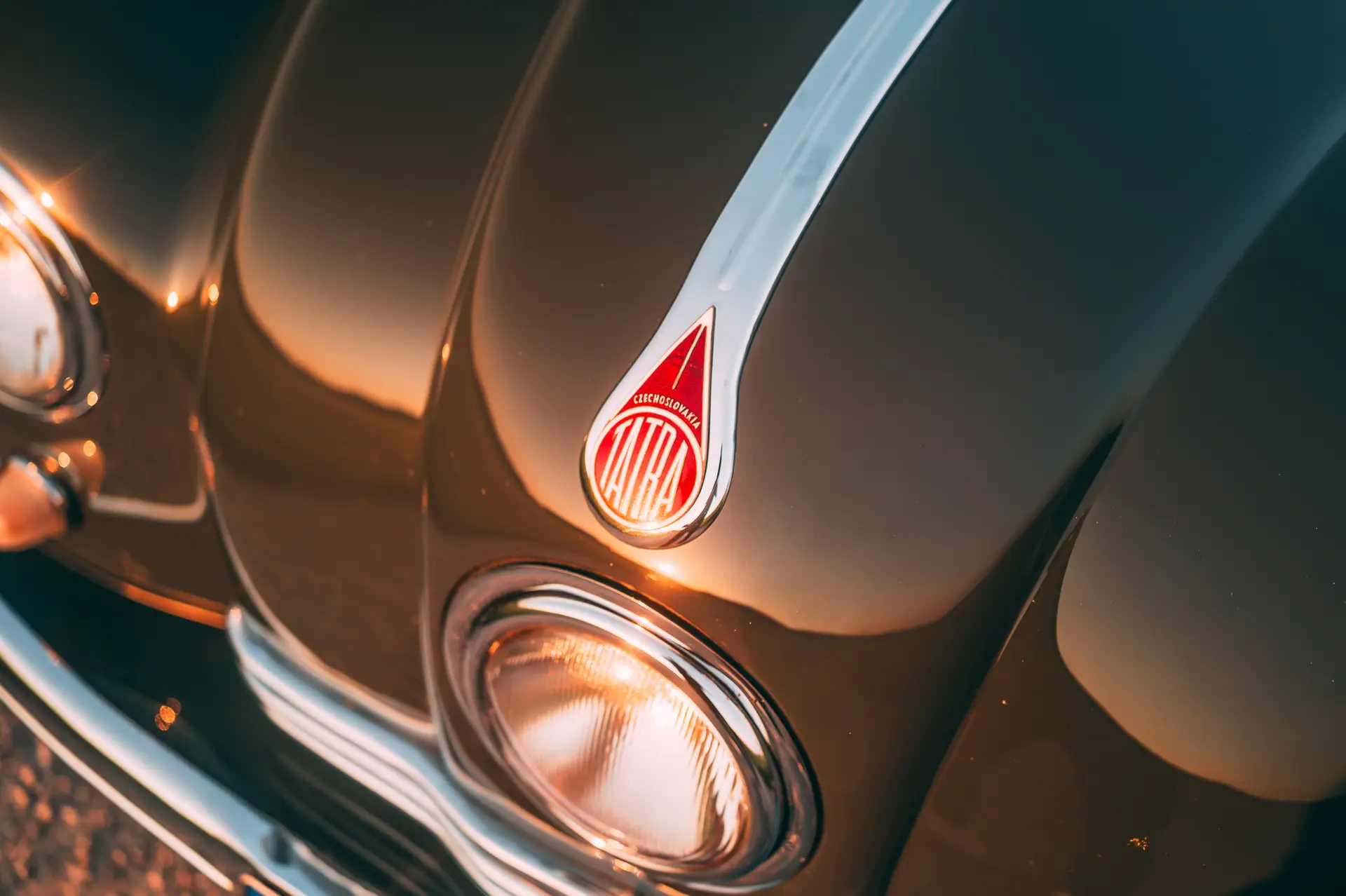
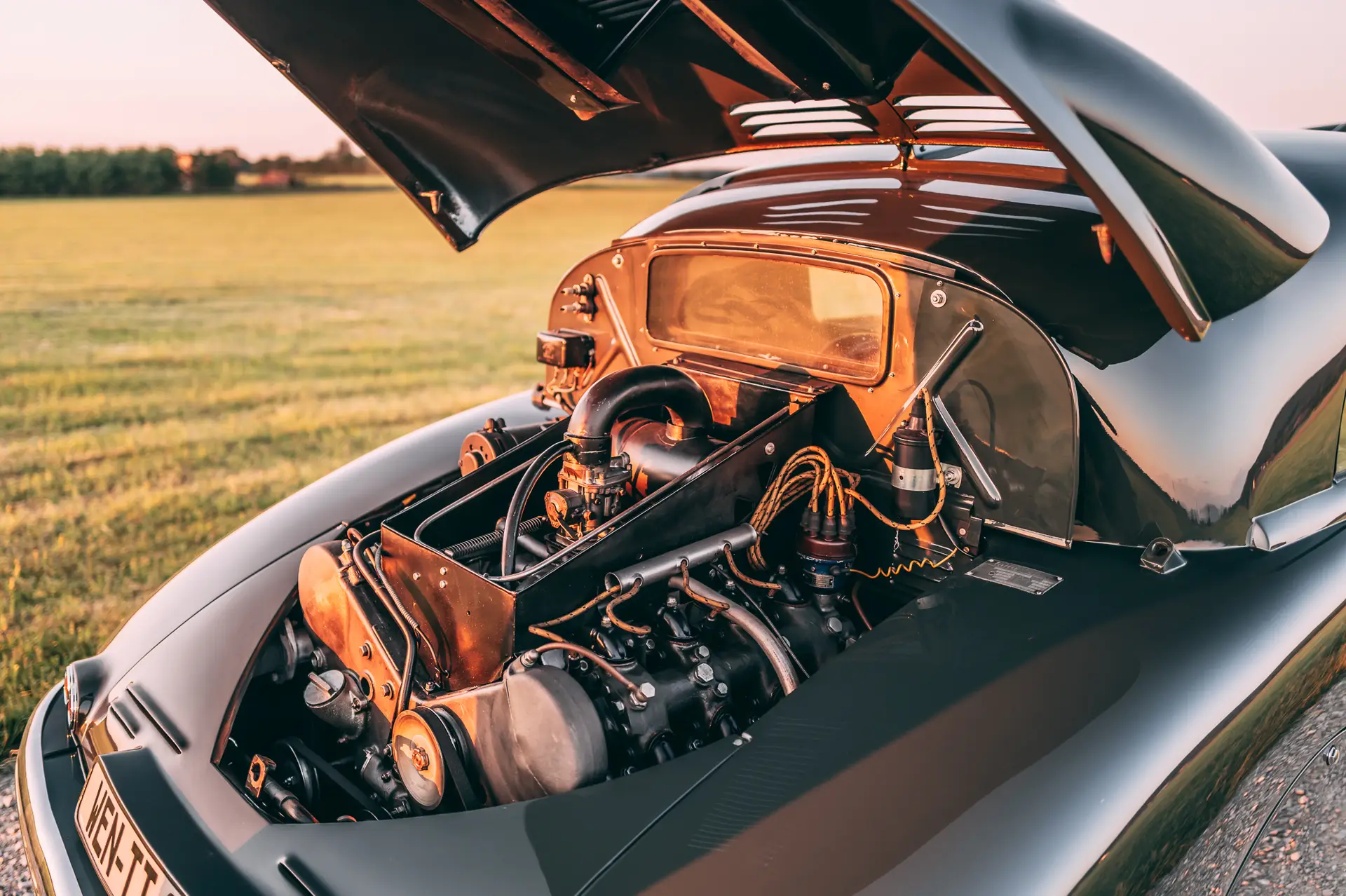
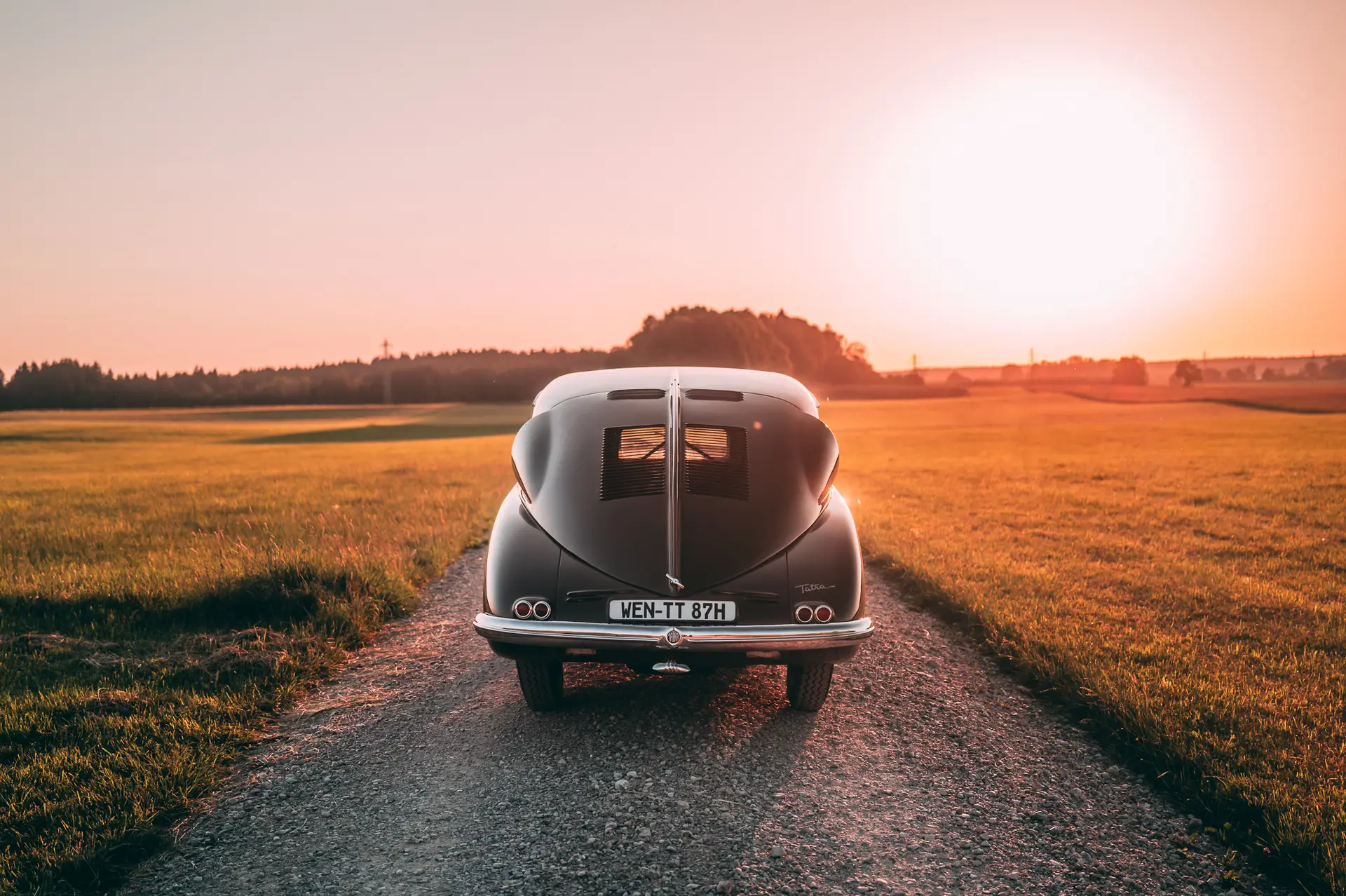
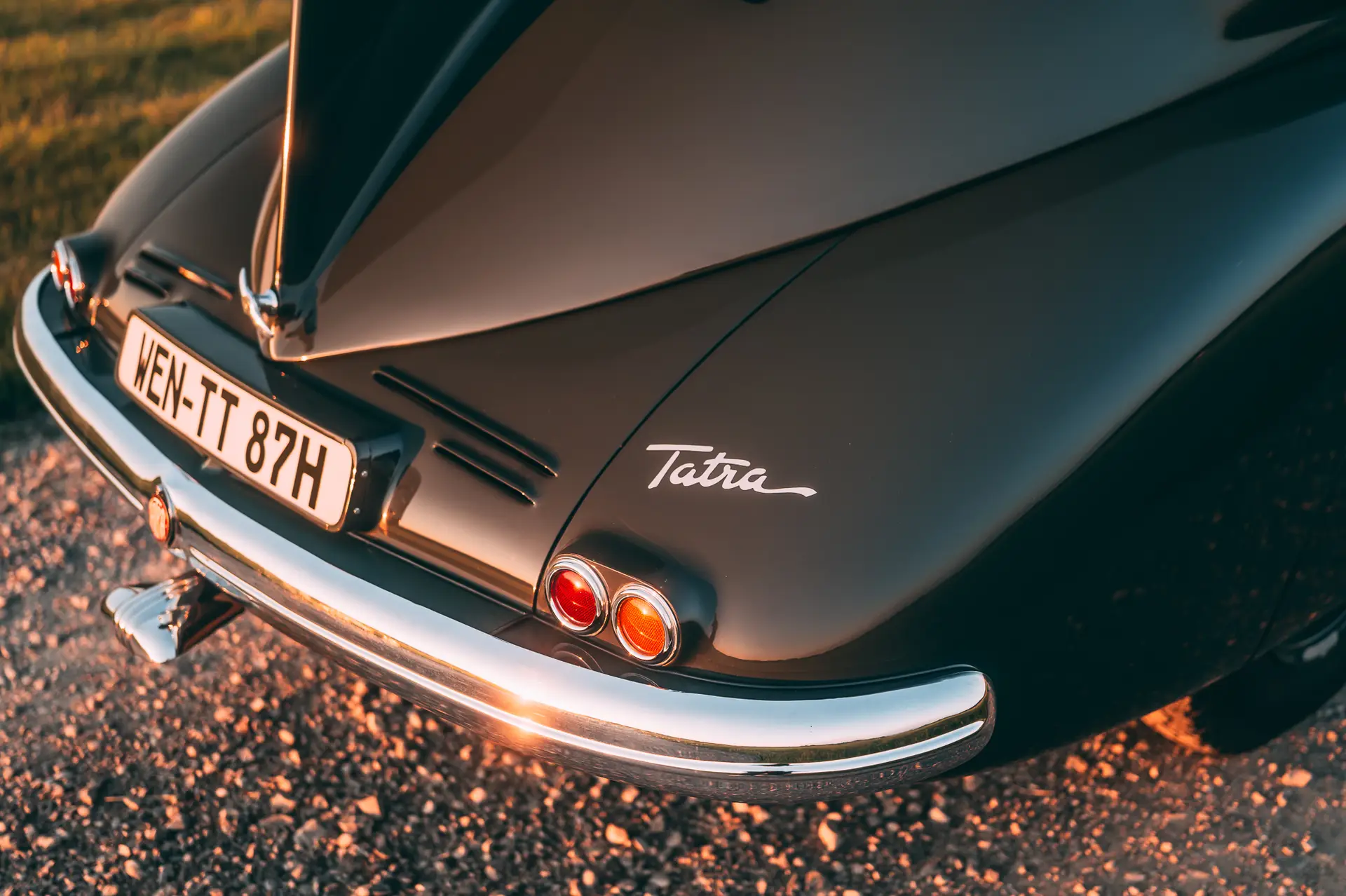
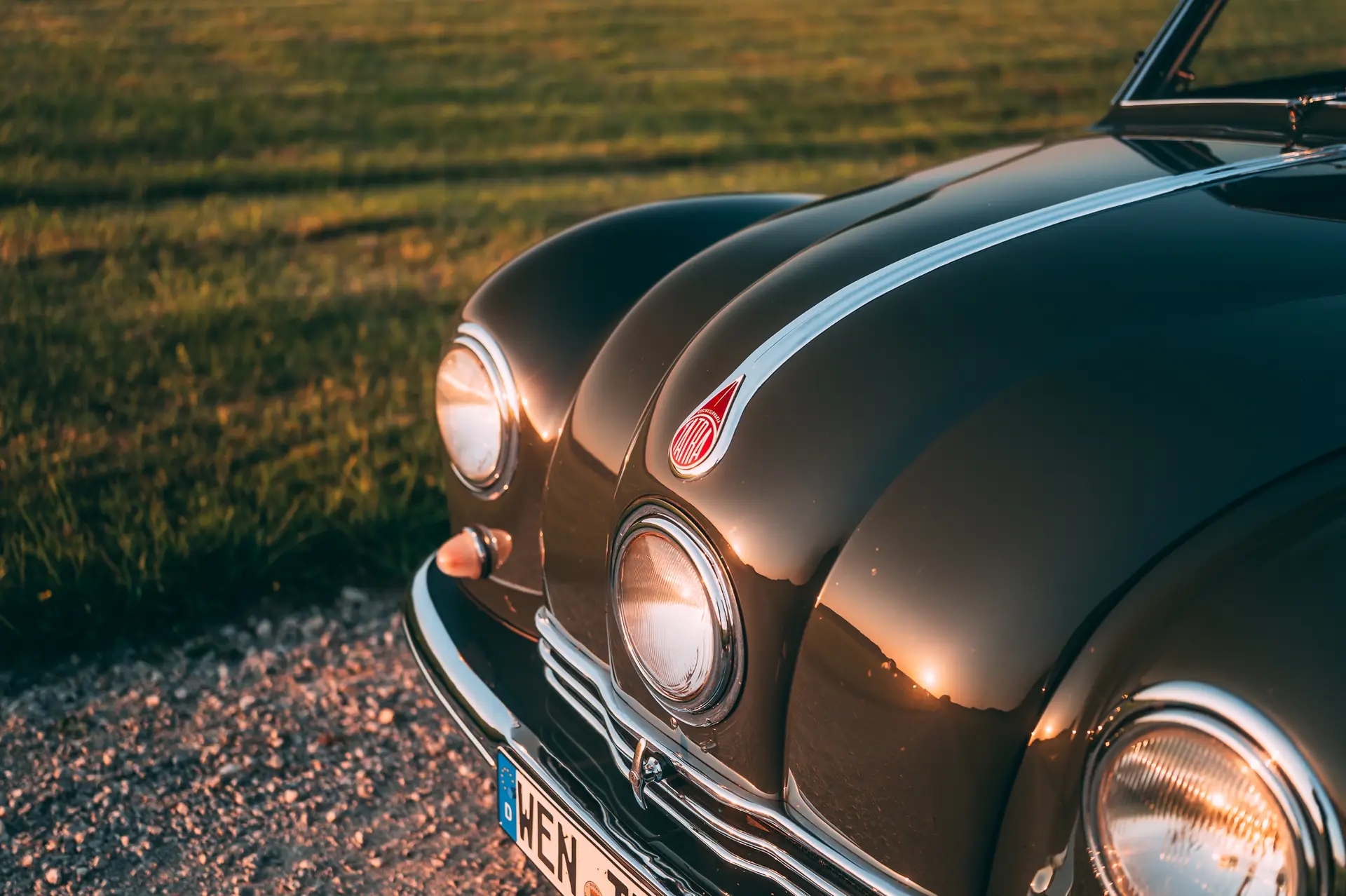
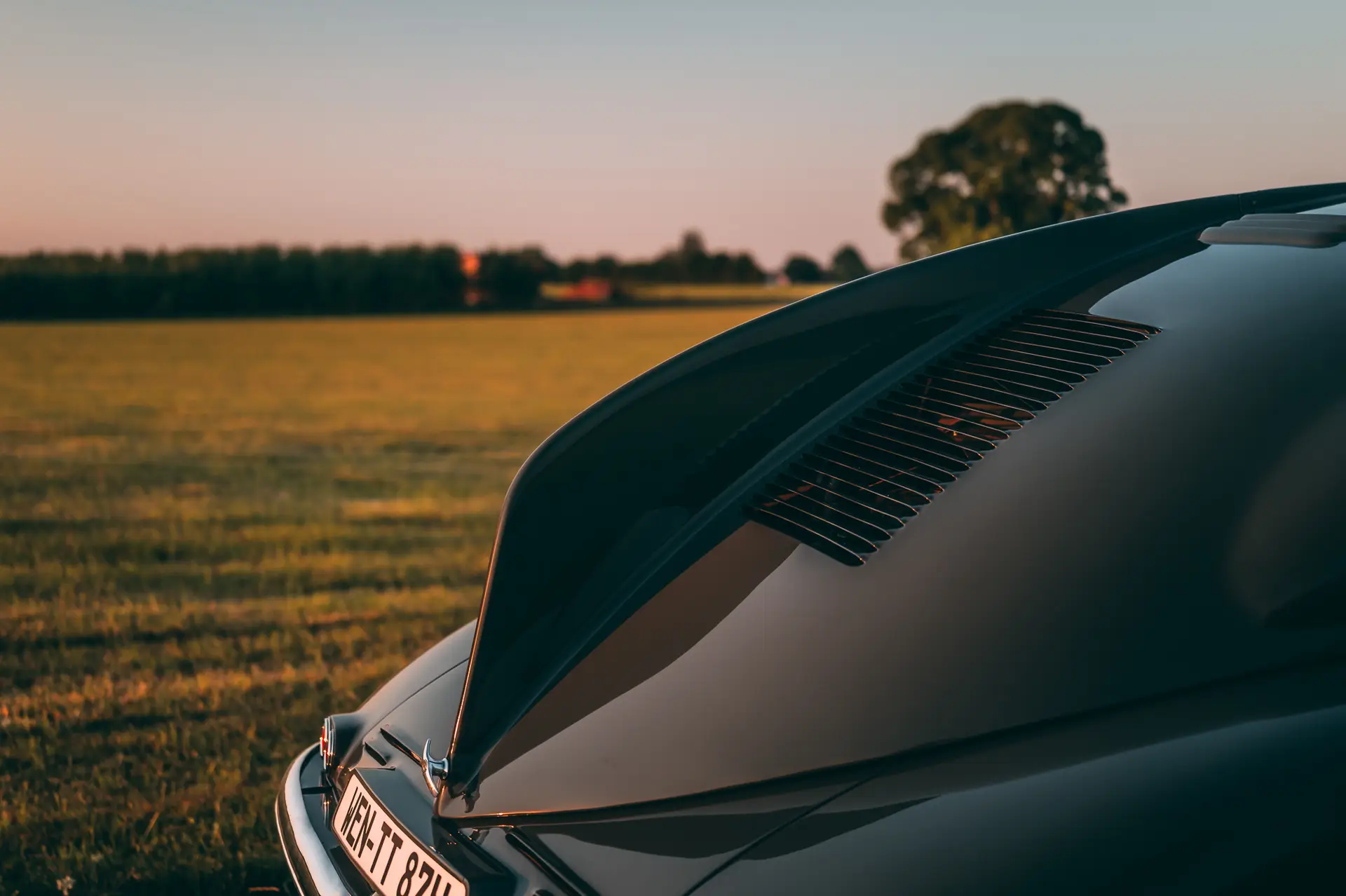
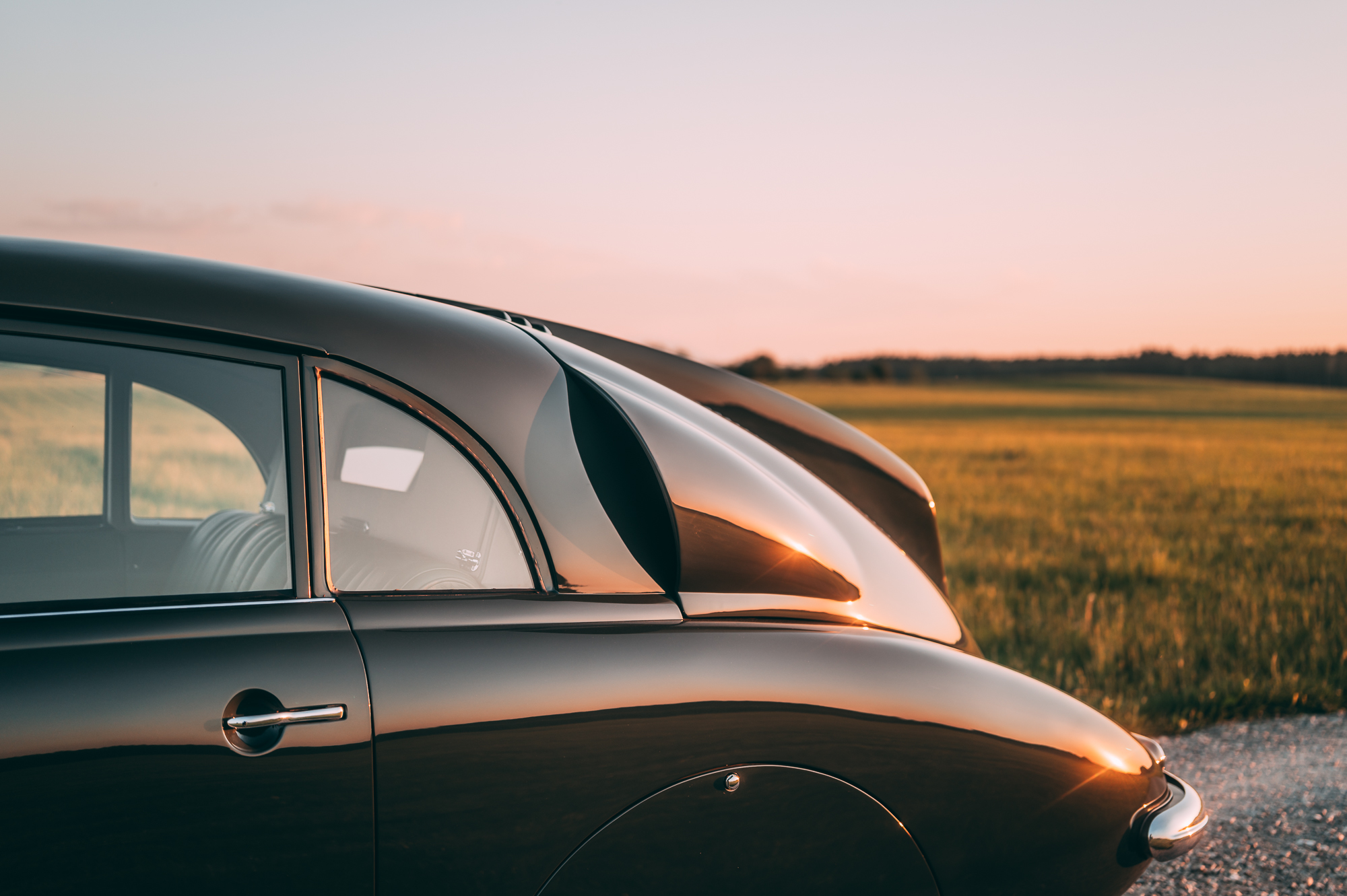
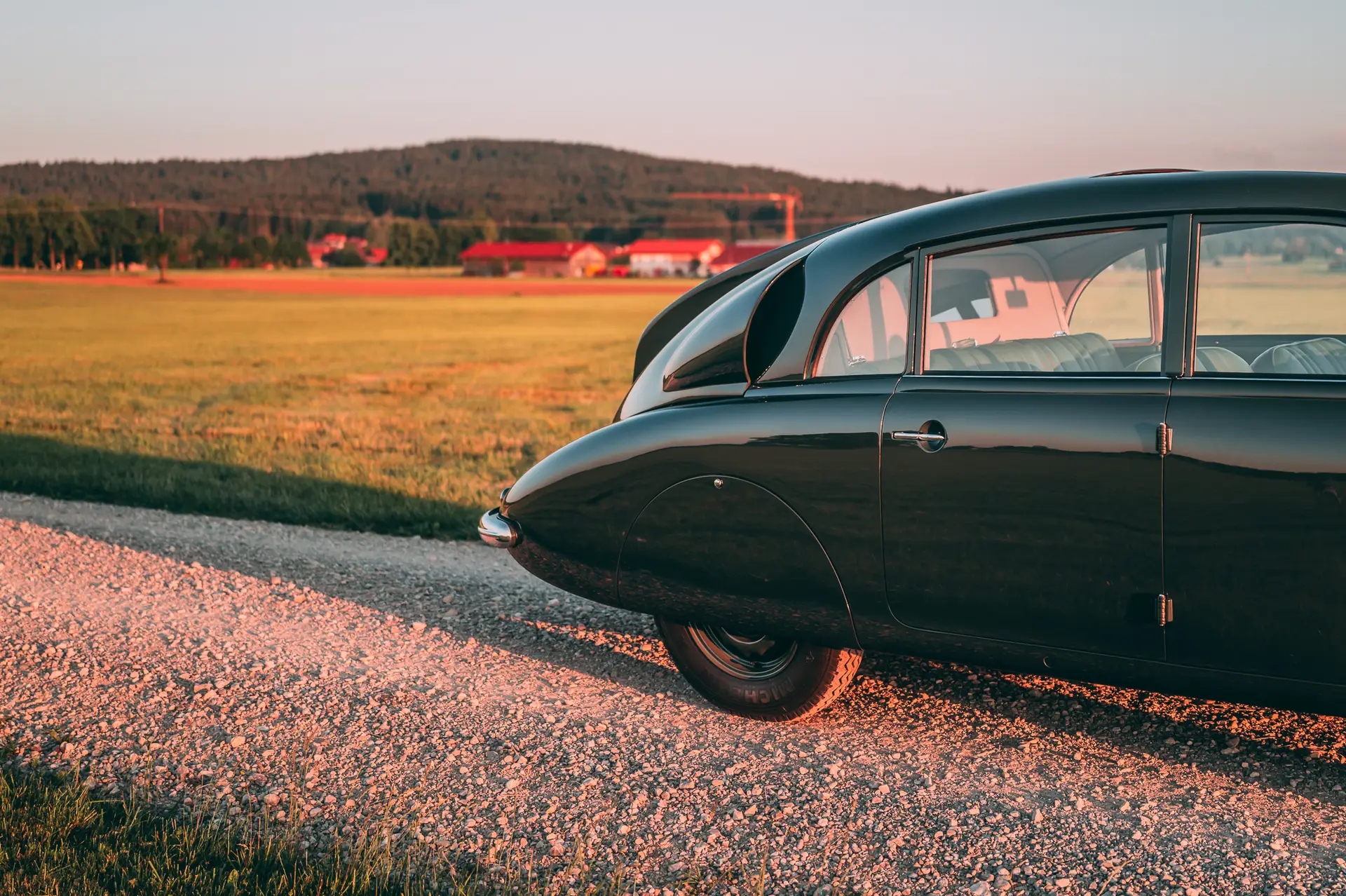
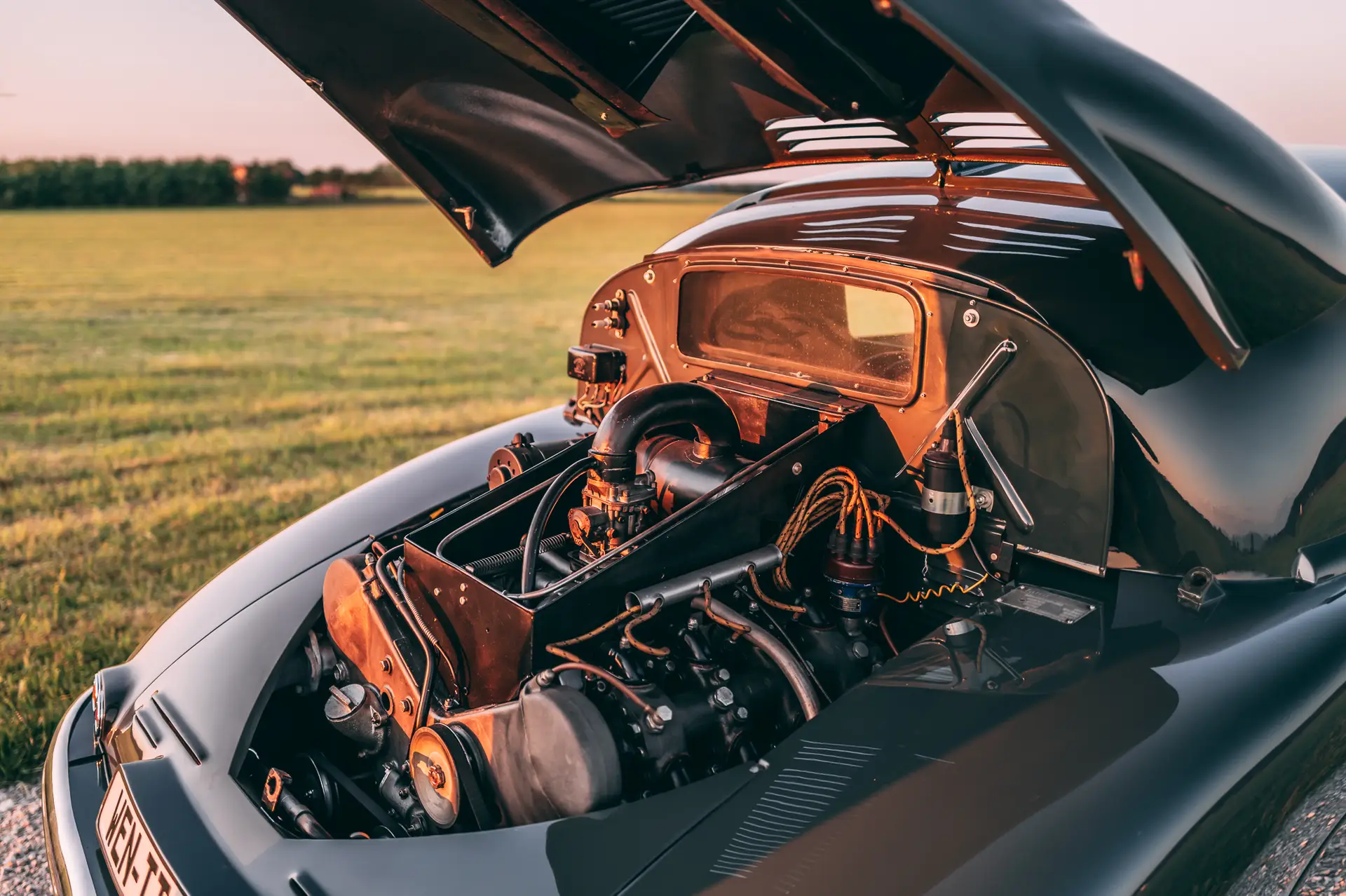
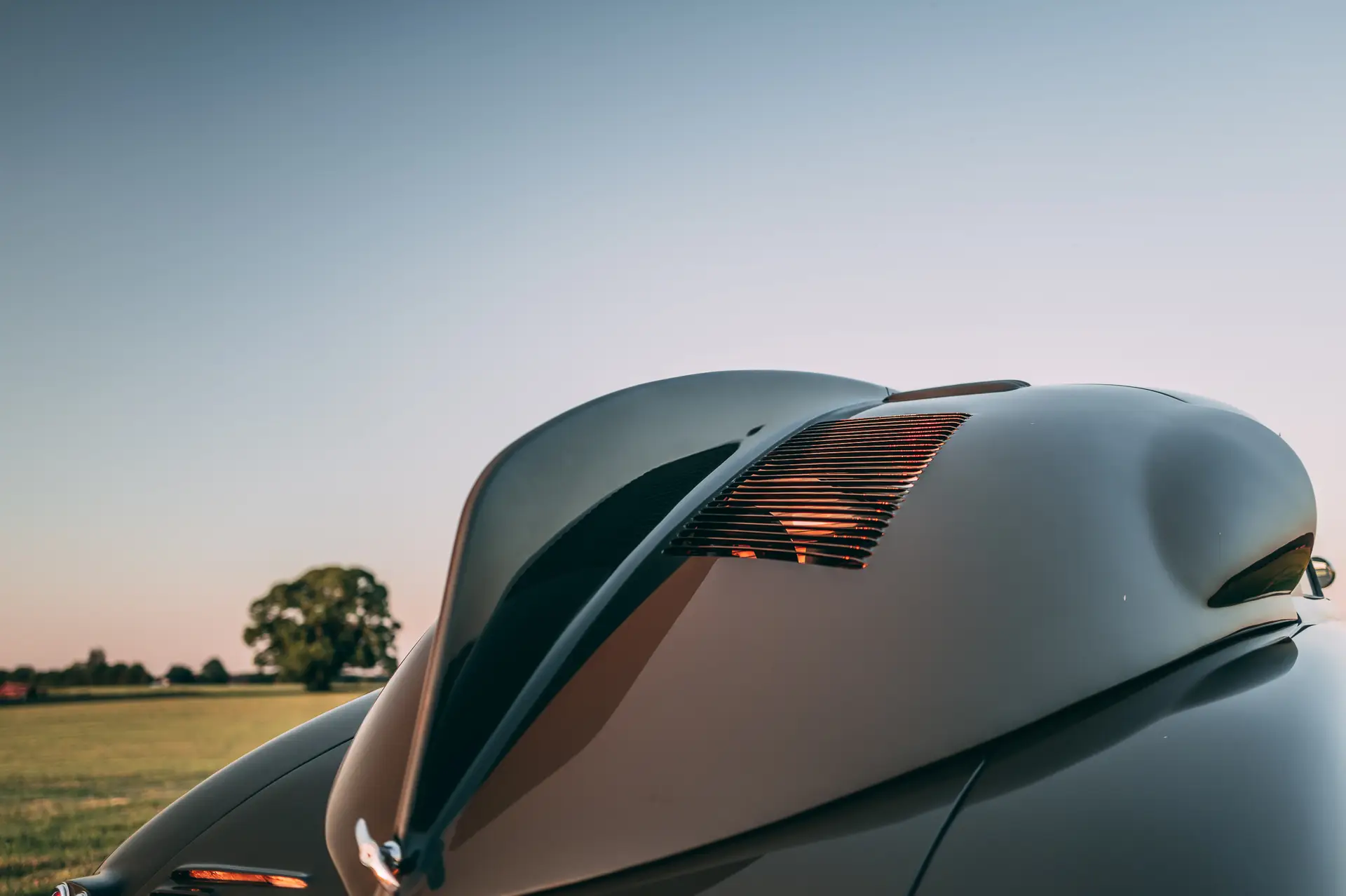
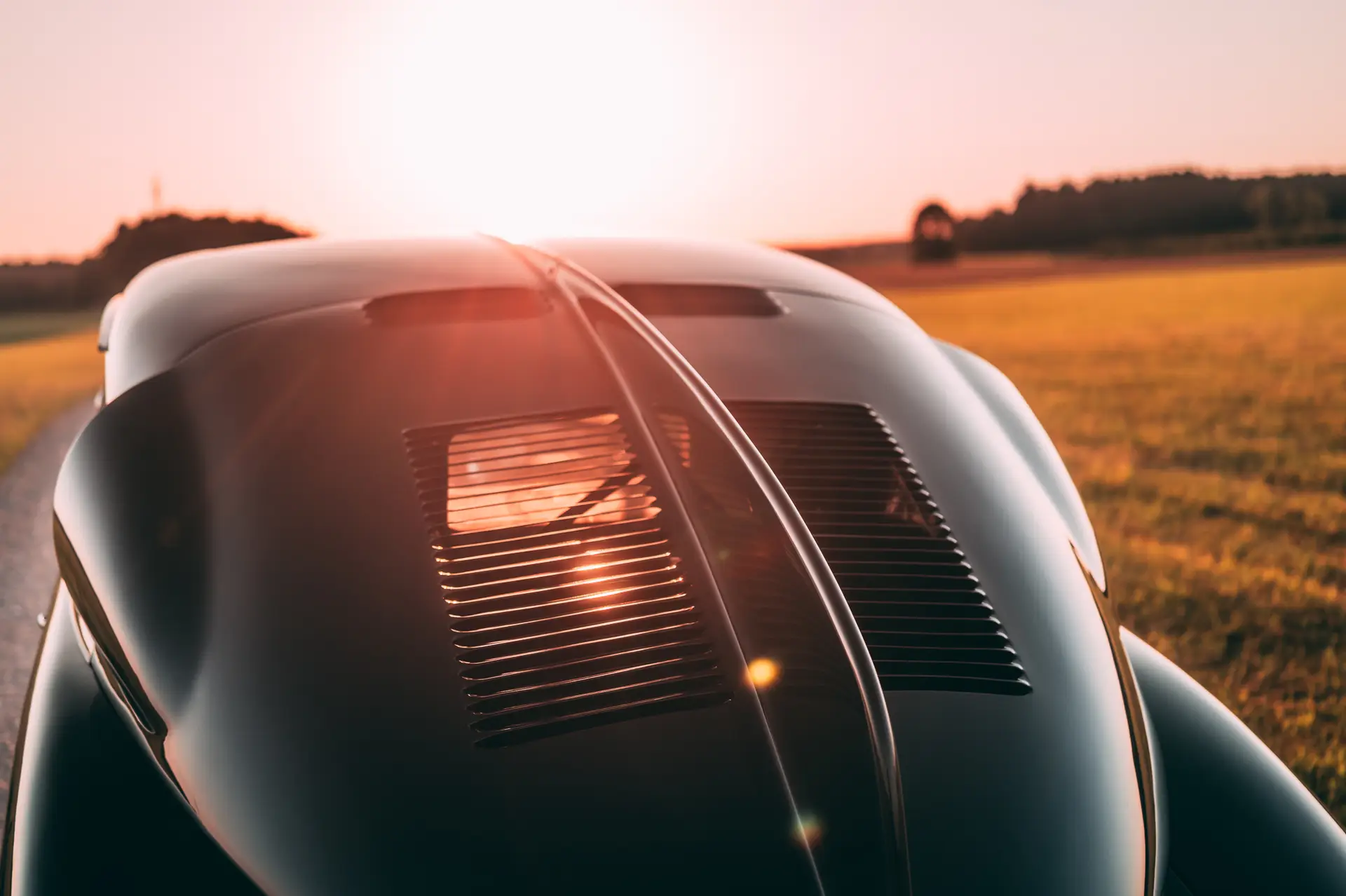
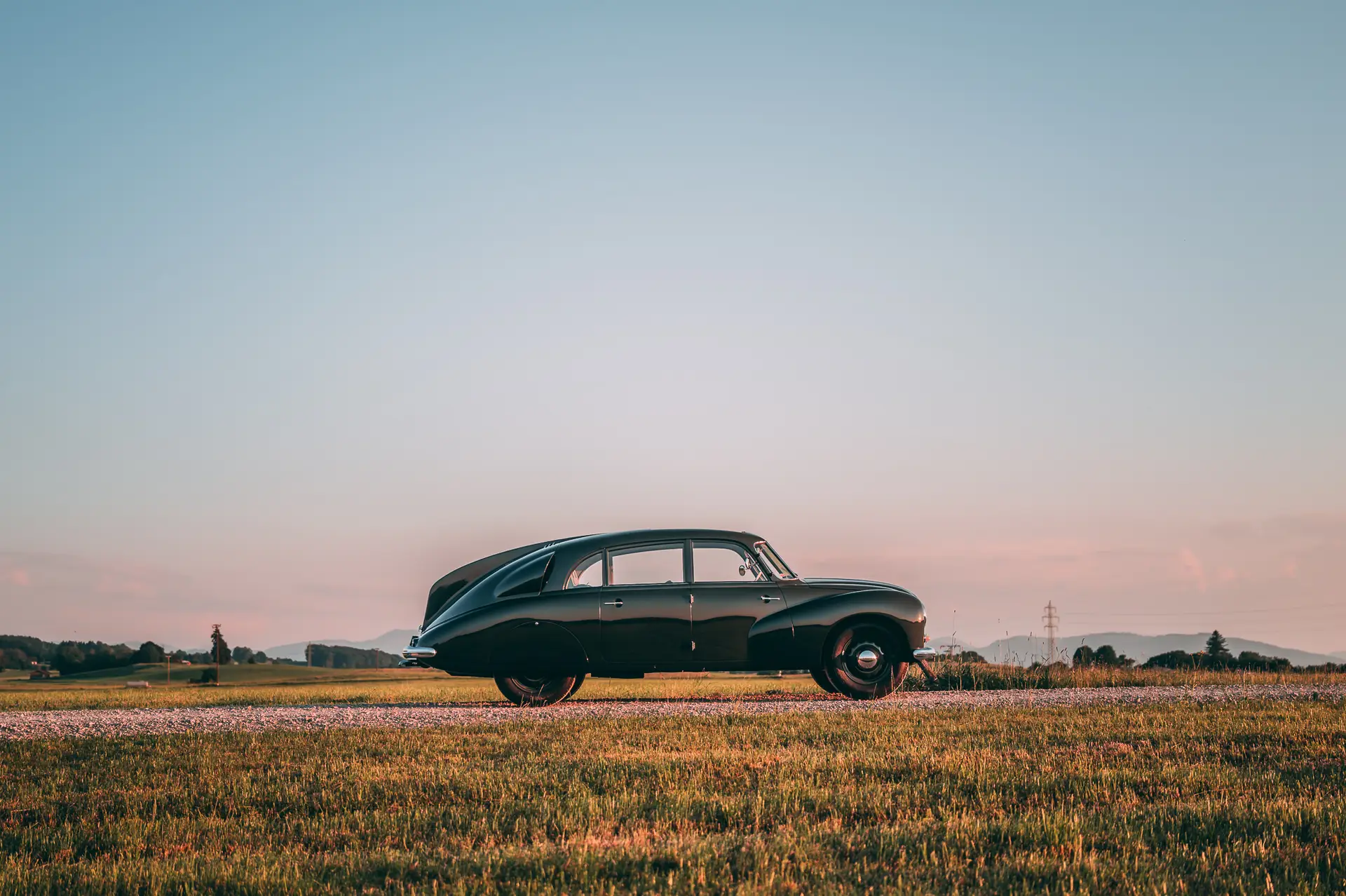
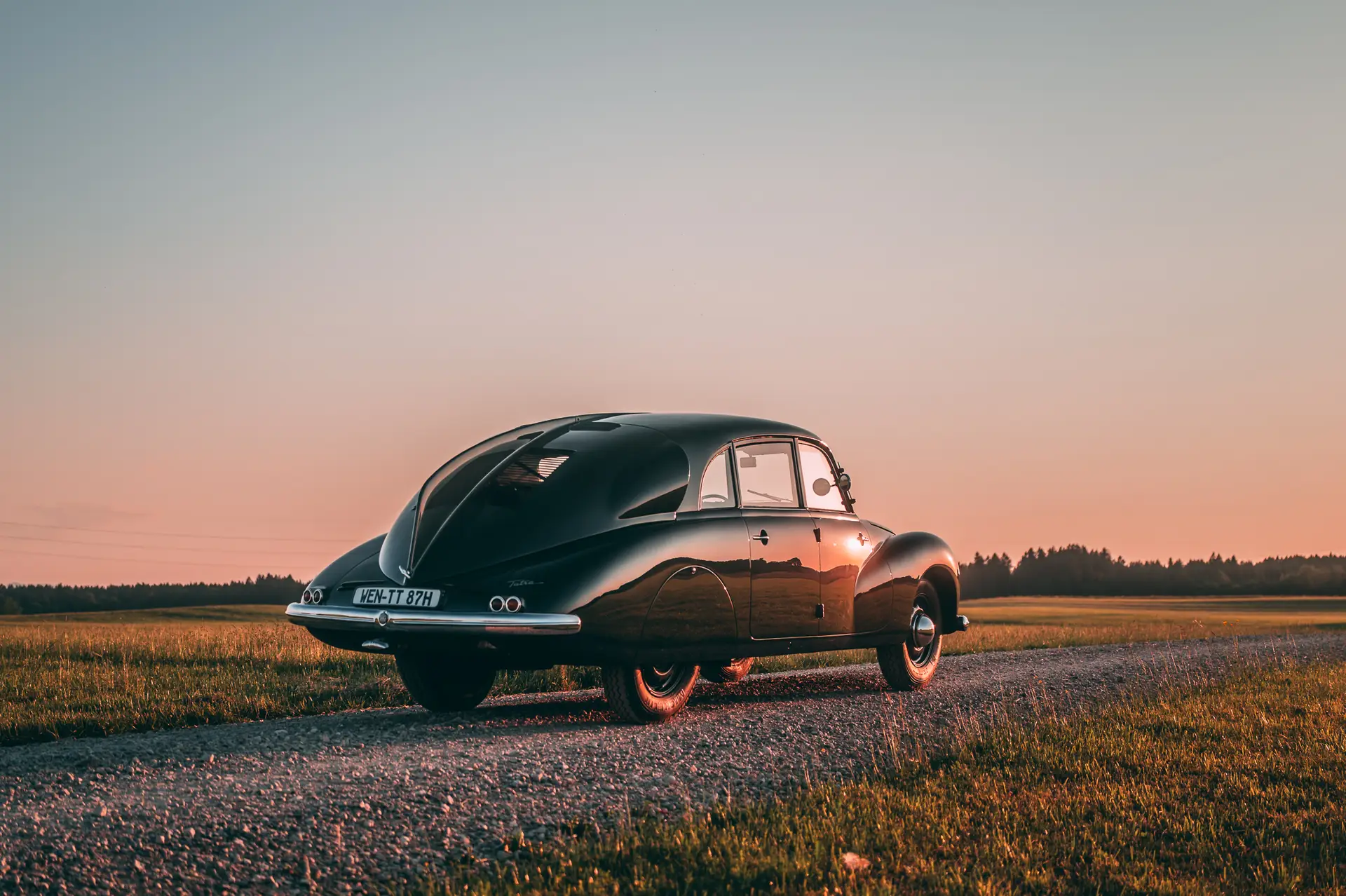
The T87's silhouette remains, to this day, arrestingly modern. Inspired by the streamlining principles of zeppelin designer Paul Jaray, the body is a full teardrop — low at the front, sweeping upward, then tapering to a distinctive dorsal fin at the rear. That fin is not an affectation; it is a functional stabiliser, directing airflow and preventing the long tail from yawing in crosswinds at speed. Alongside it sit large rear scoops channelling cool air to the all-magnesium, overhead-cam V8 mounted behind the rear axle. Three headlights — the central 'Cyclops' lamp predating the Tucker 48 by over a decade — peer forward from a low, engineless bonnet. Inset door handles, skirted rear wheels, and flush fenders complete a body with a drag coefficient of approximately 0.36, measured in full-scale testing: remarkable for any era, extraordinary for 1936.

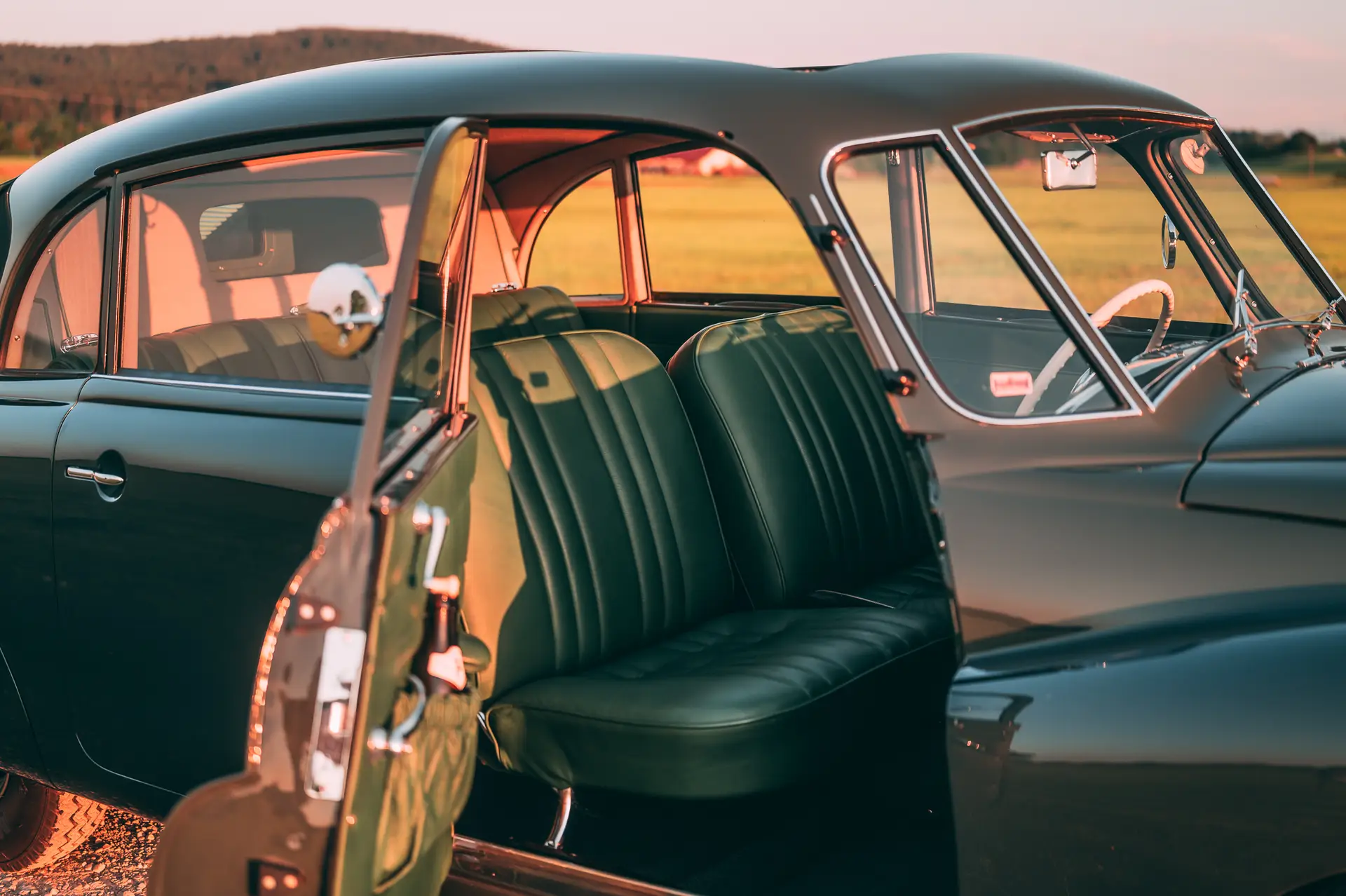
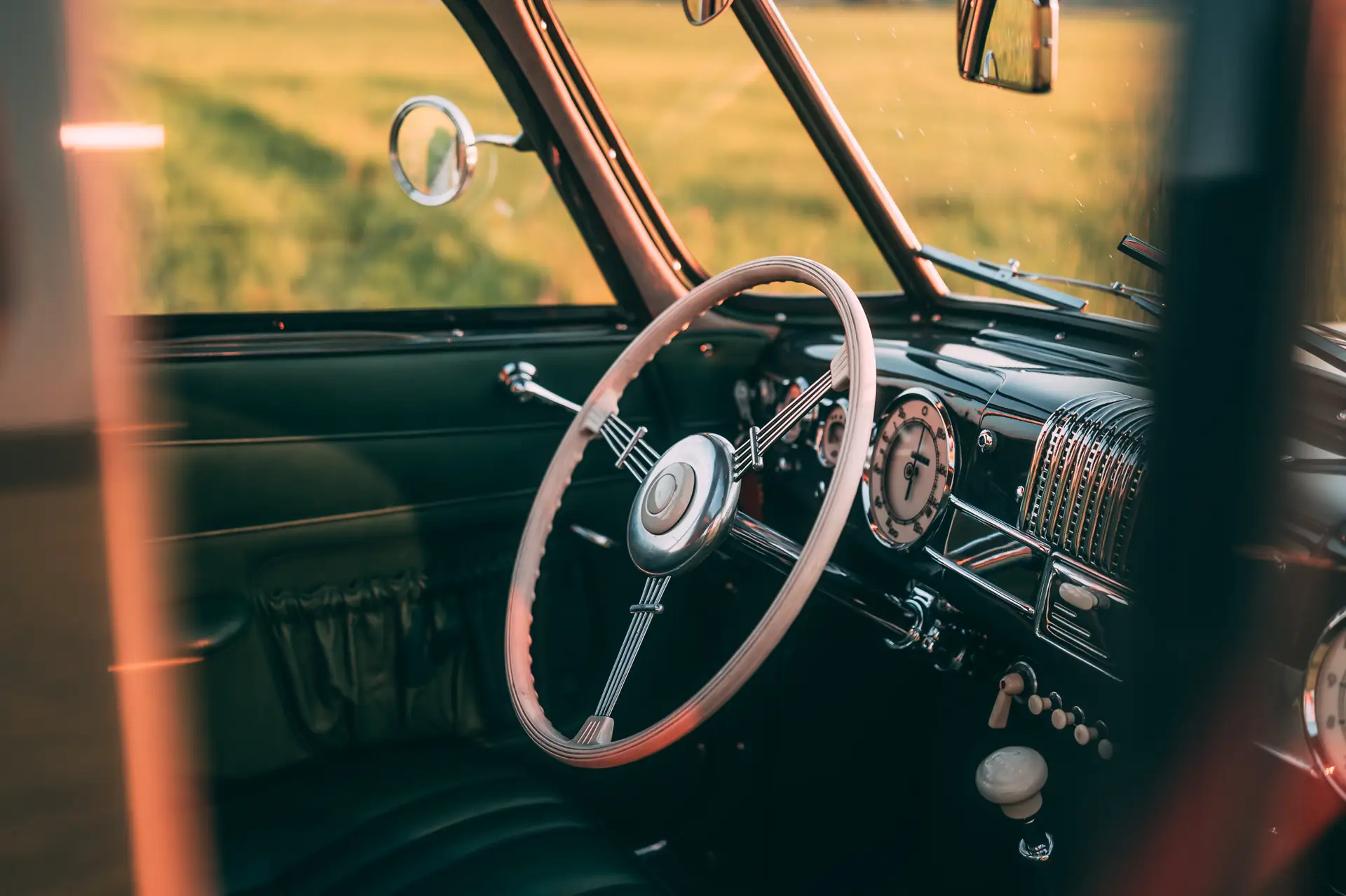
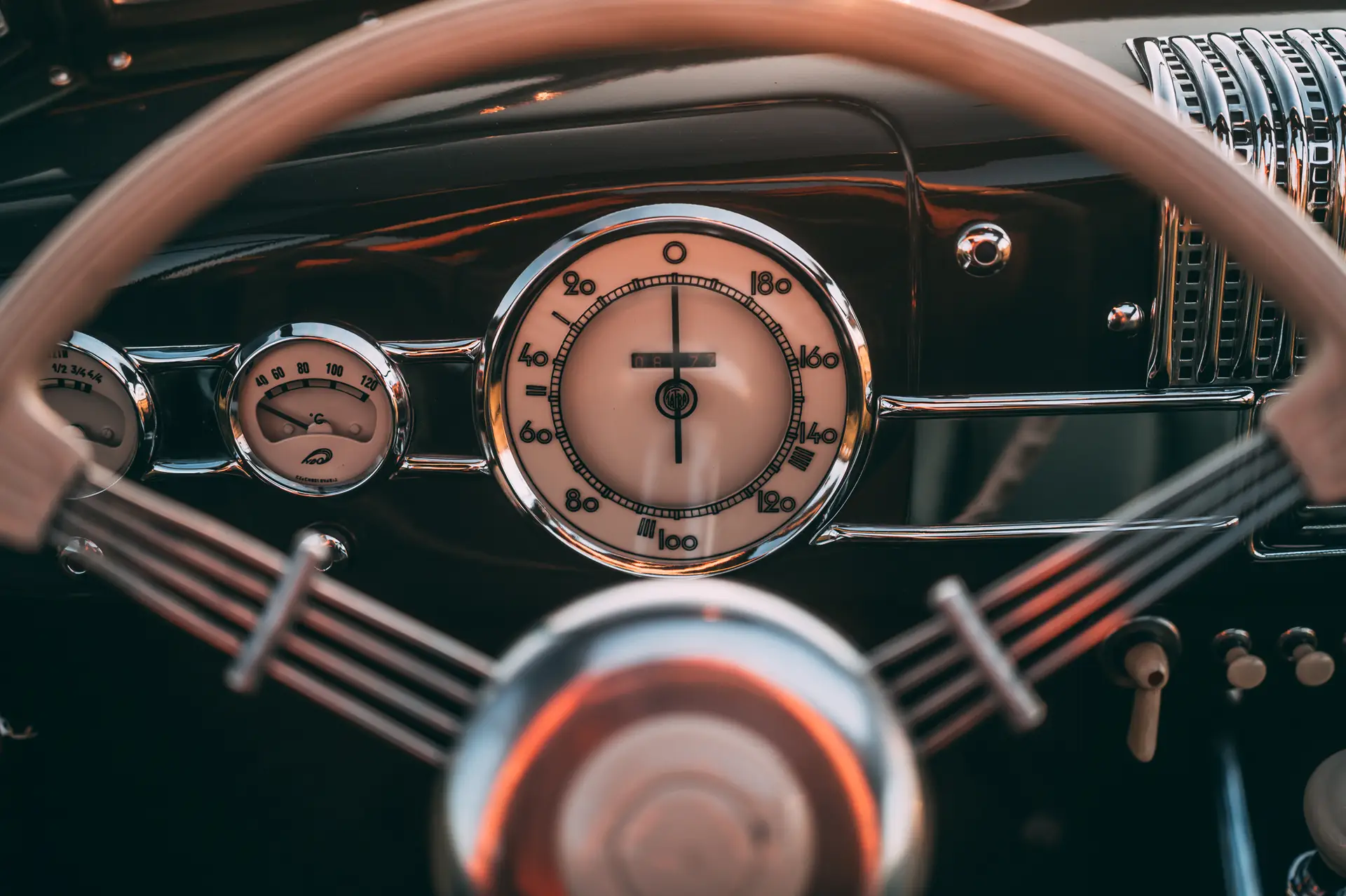
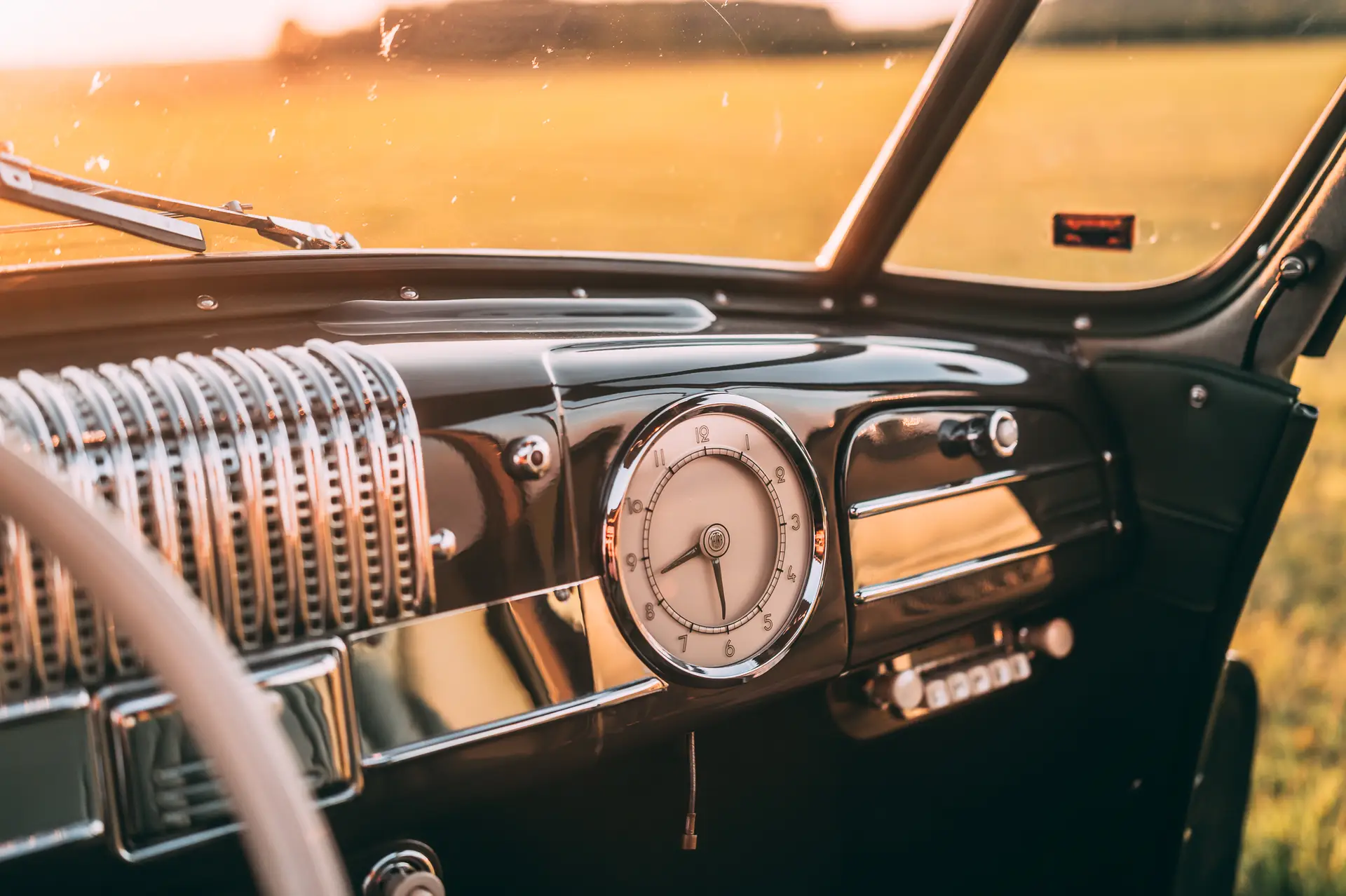
Inside, the T87 offers seating for six across its Bauhaus-styled bench seats, with a central speedometer and clear instrumentation. The backbone chassis — Ledwinka's signature engineering solution — runs the length of the car, with fully independent suspension at all four corners and hydraulic brakes throughout. The extensive use of magnesium alloy in the engine, gearbox, and suspension components keeps weight impressively low, contributing to both the car's performance and its exceptional fuel economy of 18.8 mpg — roughly half the consumption of comparable vehicles of the period.
The T87's influence on automotive history extends well beyond its production numbers. Ferdinand Porsche's Volkswagen Beetle shares so many design and engineering principles with Ledwinka's work that Tatra successfully sued Volkswagen for patent infringement — and won. The seeds of the Porsche 356 are visible here too. Jay Leno, who owns one, has called it 'the greatest car that nobody has ever heard of.' Fewer than 250 examples are believed to survive worldwide.

To acquire a Tatra T87 is to acquire one of the handful of automobiles that genuinely changed the course of automotive design. It is a machine of serious historical weight, engineering originality, and visual drama — one that rewards its owner not merely with the pleasures of ownership, but with the satisfaction of possessing something that was, by any fair measure, decades ahead of its time.

OUR EXAMPLE

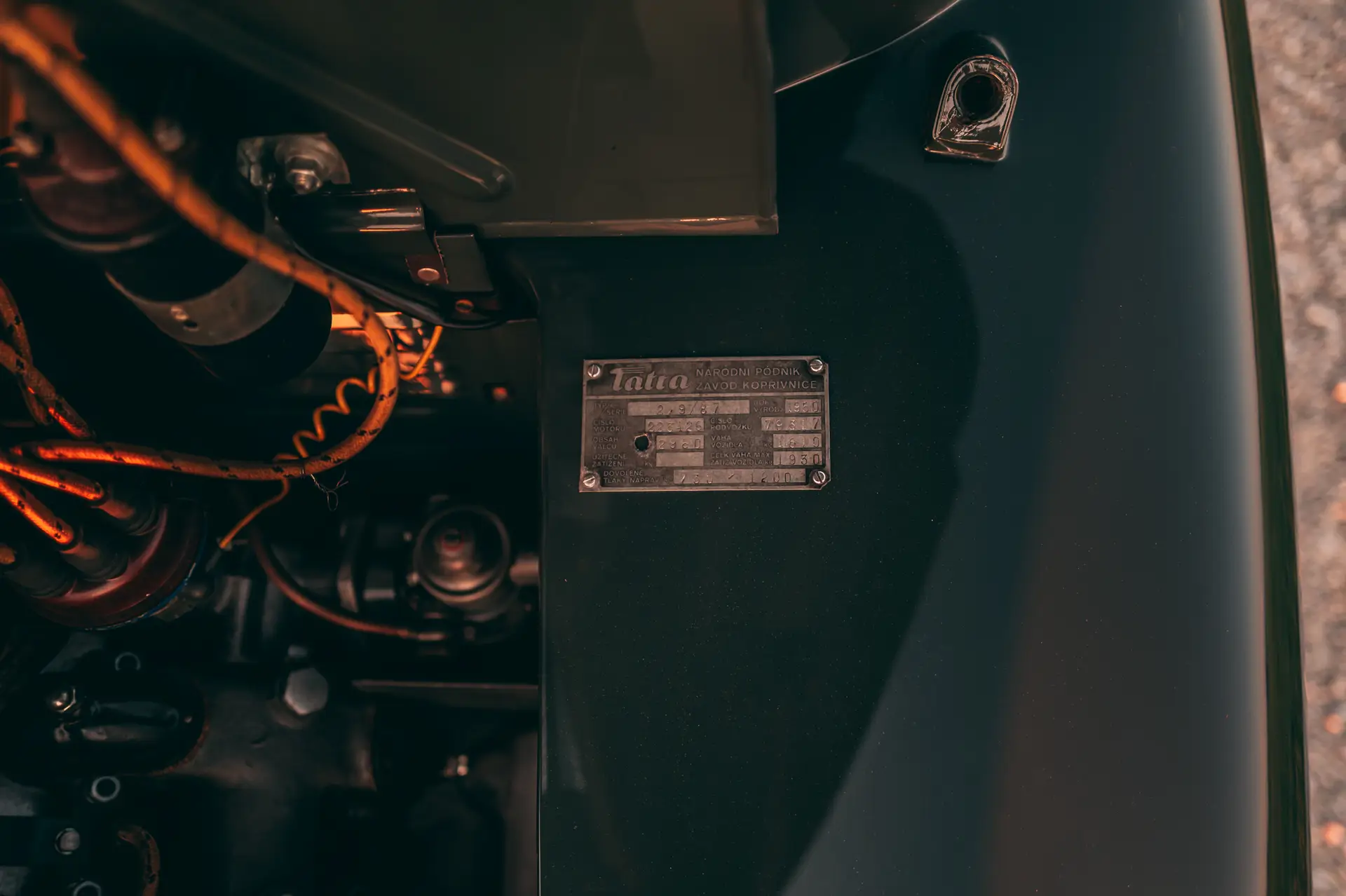
The story of chassis 79317 is remarkable in its own right. Thanks to the testimony of the previous owner we know a lot of information about the cars rescue which is worthy of any cold war spy novel.

In the late 1960s the first German owner of the car had already began to search for a Tatra T87 and in 1976, aged only 24 years old, he travelled to Czechoslovakia to the Tatra museum at the still operational Tatra factory to locate a suitable car. They provided the address of an owner who was still using the car as a daily driver in Frydek-Mistek in the east of the modern Czech Republic, and so in the depth of a Czech winter an agreement was made to buy the car.

Buying the car was one thing but obtaining an export licence proved far more challenging, eventually after an export tax was paid which was equal to the value of the car, and after a two year wait, an export permit was issued and with great anticipation the excited new owner returned to collect his long awaited prize, frustratingly (and perhaps because some local officials required a small tip for their services) the export was again rejected, and it wasn’t until 1979 that the car eventually crossed the iron curtain, under its own steam, driving the 1000 km back to Hannover.
The young owner kept the car but it was clear that eventually a full restoration would be required. Thanks to information provided by the Tatra museum they confirmed the original colour combination of green over green leather, and so with that information in 2001 he sent the car back to its native land to be restored.

The car was delivered to ECORRA in Kopřivnice who were the world leading experts in the restoration of these cars. Interior items such as the custom-made leather for the interior from Aresma in Hamburg and period correct headlining and carpets were supplied by the knowledgeable owner from Germany. The car was completely restored, including the body, paint and mechanics, with a small selection of images showing the extensive work.
Even 23 years after completion the car is in remarkable condition, a testament to ECORRA’s craftmanship. We have seen a lot of restorations at Schaltkulisse and a lot of the best German, Italian and American workshops would be envious of the panel fit on this car! The paint is also excellent and displays all the quality of an authentic period correct finish.

The car passed to the second German owner in southern Bavaria in 2016 and he has maintained and enjoyed the car carefully throughout the last 10 years.

GALLERY

enquire now

Checkboxes

The fields marked with * are required.

Location

Munich, Germany

Exterior

Dark Green

Interior

Green Leather